
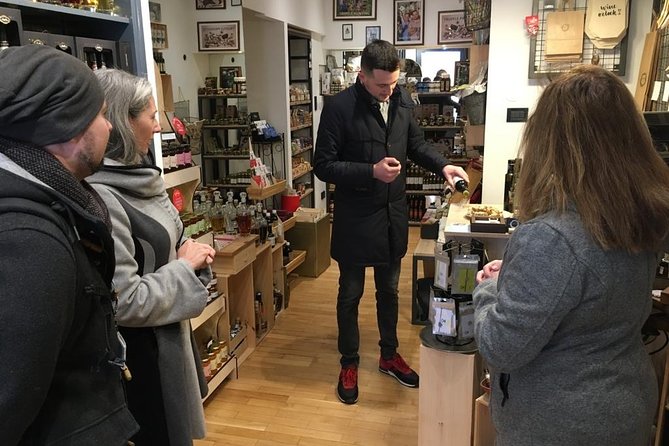
Reviewed · FOOD & DRINK
Sites & Bites Private Food and History Tour of Zagreb
Come hungry, leave better oriented. This private Zagreb tour ties local food to the streets, markets, churches, and old stories that give the city its character. I like the way it combines serious tasting with a useful introduction to Zagreb, and I like that the final meal is a proper three-course lunch, not a token snack. The main consideration is the length: five to six hours of walking, eating, and listening is a full morning and afternoon commitment.
The route covers central Zagreb, from Zrinjevac and Ban Josip Jelačić Square to Dolac Market and the Upper Town. Tastings include pastries, olive oils, cured meats, Pag cheese, wine, spreads, and more. You should arrive with a light appetite, comfortable shoes, and room for a large Croatian lunch.
In This Review
- What makes this Zagreb tour worth considering
- Starting with Zagreb’s parks and coffee culture
- Zagreb Cathedral and the daily life of Dolac Market
- Opatovina, Tkalčićeva, and Zagreb’s social side
- Gric Tunnel and the short ride uphill
- Lotrščak Tower and the Upper Town views
- St. Mark’s Church and the final Croatian feast
- What you will actually eat
- Guide style and the value of a private group
- Is $203.70 a fair price?
- Walking, timing, and practical details
- Who should book Sites & Bites?
- Should you book it?
- FAQ
- Where does the Sites & Bites tour begin?
- Where does the tour end?
- How long does the Zagreb food and history tour last?
- Is lunch included?
- What food and drinks are included during the tour?
- Is this a private tour?
- Can I cancel for a full refund?
What makes this Zagreb tour worth considering
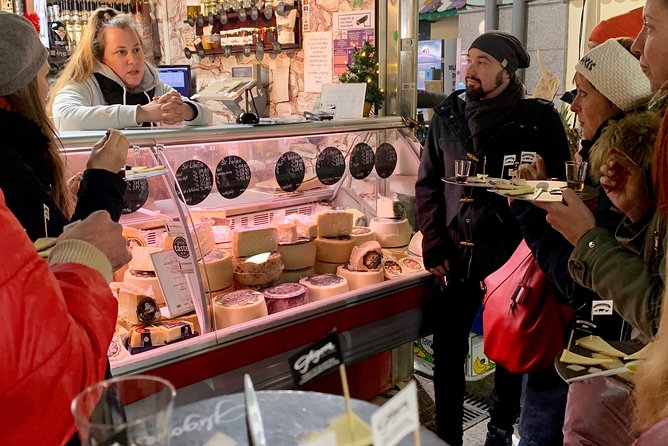
- Food arrives throughout the route: Expect pastries, charcuterie, cheese, olive oil, pumpkin seed oil, wine, spreads, and a full meal.
- The city unfolds in logical order: You move from the parks and Main Square toward Dolac Market, the old lanes, and Upper Town landmarks.
- Private guiding keeps the pace flexible: Only your group takes part, which makes questions and food preferences easier to manage.
- The tastings have a local focus: Pag cheese, Croatian cured meats, Istrian and Dalmatian olive oils, truffles, rakija, gemišt, štrukli, and sarma all appear in the experience.
- Karlo earns special praise for his personal touch: He is described as warm, witty, attentive, and generous with restaurant suggestions before and after the tour.
- The tour is best booked early: It is often reserved about 86 days ahead, a useful sign if your Zagreb dates are fixed.
Starting with Zagreb’s parks and coffee culture
Your meeting point is beside the meteorological station at Zrinjevac 2. The start time is 9:00 a.m., and this first half hour gives you a map of the day in both senses: where you are going and how Croatian food developed through regional influences.
Zrinjevac is one of Zagreb’s elegant central parks, so it is a pleasant place to begin before the streets grow busier. Your guide explains the surroundings, sets out the route, and puts the food into context. That opening matters because Croatian cooking is not one single style. Coastal, inland, Central European, and Balkan influences all appear at the table.
From there, you walk to Ban Josip Jelačić Square, Zagreb’s main meeting place. The focus here shifts to city life, including the Croatian habit of drinking coffee. This is more useful than a quick photo stop because café culture is part of how Zagreb works. You get a little history, a little people-watching, and your first sense of the city’s everyday rhythm.
The food begins to take shape nearby. You taste Croatian olive oil and learn about truffles, two products that can seem simple until a guide explains the regions, flavors, and ways locals use them. This is one of the tour’s strengths: a bite is not treated as a random sample. It becomes a reason to understand Croatia.
More Food Tours in Zagreb
- Taste Zagreb Food Tour
★ 5.0 · 256 reviews - Zagreb: Restaurants, Food & Old Town Walking Tour
★ 5.0 · 191 reviews - Zagreb: Restaurants, Food & Old Town Walking Tour
★ 4.7 · 170 reviews
Zagreb Cathedral and the daily life of Dolac Market
The Cathedral of Zagreb gets about 20 minutes. It is known for its mixture of architectural styles, so your guide helps you read the building rather than simply point at its façade. The stop is short, but it fits neatly into the morning route.
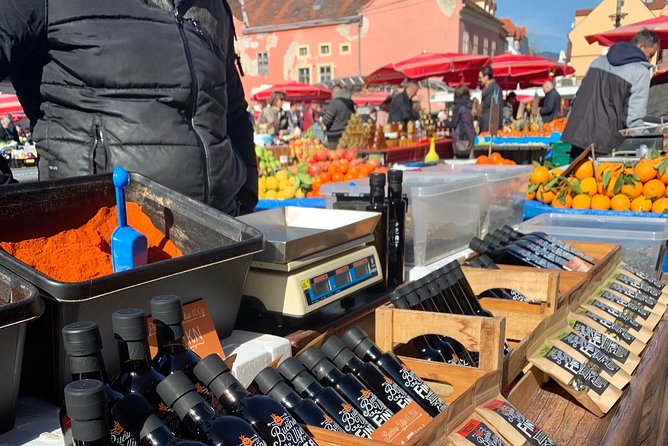
The more substantial visit comes at Dolac Market. This is Zagreb’s open-air market and one of the best places on the route to connect food with local life. You meet farmers, taste pumpkin seed oil, and explore the covered market area while learning about Croatian food traditions.
Pumpkin seed oil is an especially useful tasting here. It is strongly associated with northern Croatian cooking and has a bold, nutty flavor. It may be unfamiliar if you mostly know olive oil, so tasting it in the market gives you a clear comparison.
The market also brings Pag cheese into the picture. Pag cheese comes from the island of Pag and is made from sheep’s milk. On this tour, it is paired with other food and wine, making the tasting feel more like a small lesson in how Croatians build a table than a parade of isolated samples.
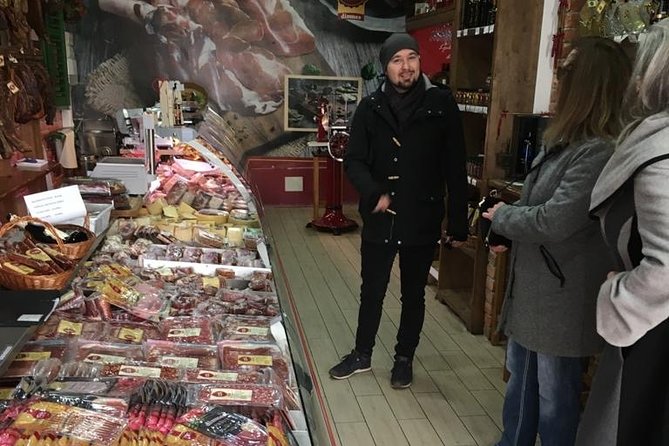
You may also encounter homemade bread, olives, sweet and savory spreads, and more Croatian wine. The sample menu lists prosciutto, kulen, smoked ham, and a selection of Pag cheeses. Because the tour visits different stalls and food businesses, you get variety instead of sitting in one shop for the entire tasting.
Opatovina, Tkalčićeva, and Zagreb’s social side
After Dolac, the walk continues toward the Statue of Petrica Kerempuh in Opatovina. The stop lasts only about ten minutes, but it introduces Zagreb’s beer scene and one of the city’s popular leisure areas.
Tkalčićeva Street follows with another short stop. This is one of the liveliest streets in central Zagreb, lined with places to eat and drink. Your guide gives restaurant suggestions here, which can be particularly handy if you are staying in the city for more than a night.
One of the tour’s practical benefits is this exchange of local advice. Karlo is repeatedly praised for restaurant recommendations that remain useful after the tour. He has also shared suggestions through WhatsApp before and after the experience, so you can use the tour as a starting point for the rest of your Zagreb stay.
Krvavi Most, or Bloody Bridge, adds a quick historical pause. Your guide explains how the bridge got its name. It is not a grand monument, and that is exactly why the stop works. Zagreb’s character often appears in small street details, old connections, and names that carry a story.
Gric Tunnel and the short ride uphill
The route then enters Gric Tunnel, a World War II-era passage beneath the Upper Town. The walk through it takes about 15 minutes. The tunnel may occasionally be closed for events, so this is one part of the schedule that can change.
Next comes a ride on Zagreb’s funicular railway. The journey takes only about ten minutes within the itinerary, but it is a memorable link between the lower city and the Upper Town. It is described as the world’s shortest funicular, making this more than simple transportation. It is a tiny piece of Zagreb’s identity.
The ride also saves you from walking the full uphill route at this point. Still, you should not mistake this for a low-effort tour. There is plenty of walking through markets, squares, lanes, and historic districts, with regular standing at food stops.
Something different for another day:
- From Zagreb: Plitvice & Rastoke Guided Day Trip with Ticket
★ 4.9 · 2,955 reviews - Zagreb: Rastoke & Plitvice Lakes Guided Tour with Ticket
★ 4.9 · 1,897 reviews - Communism & Croatian Homeland War Tour
★ 5.0 · 1,355 reviews - Best of Zagreb with the WW2 Tunnels
★ 5.0 · 973 reviews
Lotrščak Tower and the Upper Town views
At the top, you visit Lotrščak Tower, a medieval watchtower with a strong connection to Zagreb’s defensive past. The stop lasts about 30 minutes and includes a walk along the Strossmayer Promenade.
This is one of the best places to pause and look across the city. The view reaches toward the south bank of the Sava River, giving you a broader sense of Zagreb’s size and layout. After spending the morning in markets and narrow streets, the open view helps the city fall into place.
The promenade also gives the tour a change of pace. You have moved from tasting counters and market stalls to a calmer Upper Town walk. The guide continues with history and local stories, but the setting lets you breathe a little before lunch.
St. Mark’s Church and the final Croatian feast
The last major sightseeing section centers on St. Mark’s Church. Its colorful tiled roof is one of Zagreb’s most recognizable sights, and the surrounding area is tied to Croatia’s Parliament and Government.
This part of the tour is useful for understanding how the Upper Town functions as both a historic quarter and a center of national government. There are also photo opportunities around the church and nearby lanes. Your guide can point out Zagreb museums, including the Museum of Broken Relationships, though the tour does not include a museum visit.
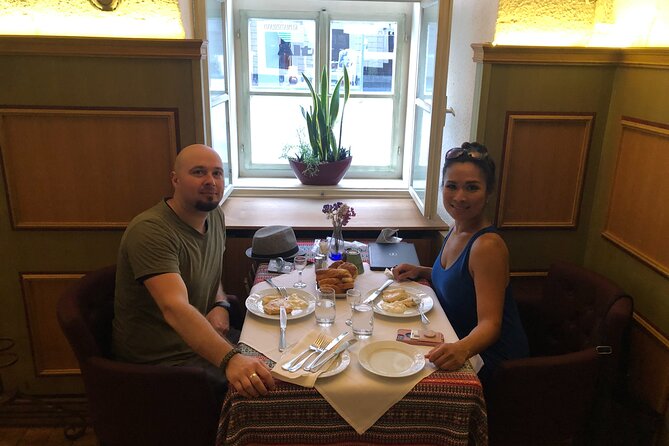
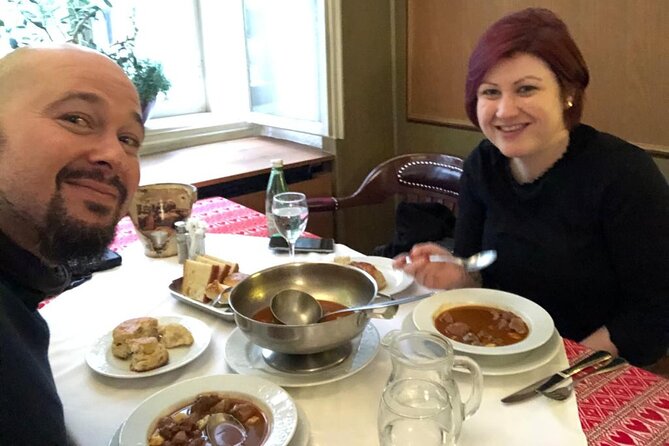
The day ends in a traditional restaurant with a three-course lunch. The meal may include štrukli, a baked or cooked pastry filled with cheese, Slavonian stew, and a seasonal stuffed pepper or sarma. The menu can vary with the season, but the purpose is clear: you finish with substantial local dishes rather than a few more nibbles.
Drinks are part of the experience, including rakija and gemišt. Rakija is a fruit or herbal brandy served in small glasses. Gemišt is wine mixed with sparkling water, a common Croatian refreshment. Coffee or tea, alcoholic drinks, snacks, lunch, and taxes are included in the listed price.
The lunch takes about two hours, so the ending is not rushed. That is good news if you want time to ask questions or compare the foods you tasted earlier. It is also the point at which the full amount of food becomes clear. Several people strongly advise skipping breakfast. I would not take that as a challenge to arrive faint with hunger, but a small breakfast is sensible.
What you will actually eat
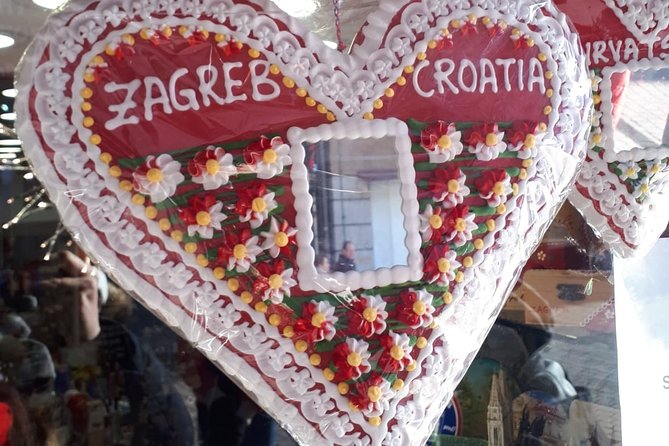
The food program is the main reason to book this experience. The exact order can change, but you should expect a steady series of small tastes before the final meal.
Likely highlights include:
- Croatian meat charcuterie such as prosciutto, kulen, and smoked ham
- Homemade bread and olives
- Pag cheese
- Istrian and Dalmatian olive oils
- Pumpkin seed oil
- Croatian wine
- Sweet and savory spreads
- Pastries served early in the day
- Truffle-related tastings
- Rakija and gemišt with lunch
- Traditional dishes such as štrukli, stew, stuffed peppers, or sarma
The best part is the range. You are not only tasting restaurant food. You are also trying products from market stalls and specialist vendors, then meeting the people connected to those foods.
The food can be generous enough that you may not want dinner afterward. If you have dietary restrictions, the supplied details do not explain how substitutions are handled, so contact the operator before booking rather than relying on an adjustment during the tour.
Guide style and the value of a private group
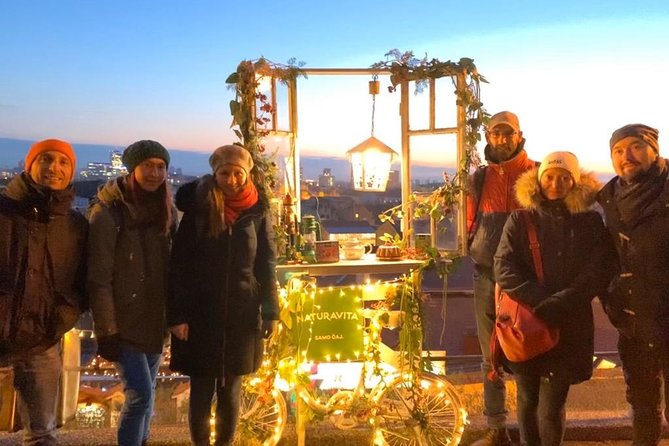
Karlo is the guide most often named in the tour feedback. His strengths are clear: he combines Croatian history with food, uses humor, keeps the day personable, and takes pride in introducing his home city.
He also seems to have strong relationships with the vendors, but the practical result matters more than the label. You are not simply handed a plate and moved along. The food sellers, butchers, olive oil specialists, and restaurant staff are part of the experience.
A private tour is valuable here because food questions can be personal. You may want to spend more time on olive oil, ask about regional cheese, or pause for a clearer explanation of a historical point. Since only your group participates, the guide can adjust the conversation more easily than on a large group outing.
The tour has also been led by Tomislav on at least one booking, so guide availability may vary. If having Karlo specifically matters to you, ask when reserving.
Is $203.70 a fair price?
At $203.70 per person, this is not a cheap walking tour. You are paying for a private guide, several tastings, alcoholic drinks, the funicular ride, a long restaurant lunch, and all fees and taxes.
The price makes more sense if you want one well-organized introduction to Zagreb rather than separate food and sightseeing activities. Buying the same amount of food and drinks independently could add up quickly, and you would not have the historical explanations or the local restaurant advice.
The value is strongest for first-time visitors with limited time. In five to six hours, you cover the lower city, market district, Upper Town, major landmarks, and a wide sample of Croatian food. The tradeoff is that the tour gives you an overview, not long visits inside every sight.
The 86-day average booking window is worth noting. It does not guarantee that every date sells out, but it suggests you should reserve early if your schedule is tight.
Walking, timing, and practical details
The tour starts at 9:00 a.m. at Zrinjevac 2 and finishes back at the meeting point. It lasts about five to six hours, with the final two hours devoted to lunch at a traditional restaurant.
You will walk between central stops, stand at market and tasting locations, enter Gric Tunnel, and take the funicular to the Upper Town. Most people can participate, and service animals are allowed. The start is near public transportation, which makes arrival simpler.
Wear comfortable shoes. The route is not presented as a strenuous hike, but the length and number of stops call for sensible footwear. Bring a phone for the mobile ticket and consider keeping the rest of your day light, since the lunch and tastings are substantial.
Free cancellation is available if you cancel at least 24 hours before the local start time. Cancellations or changes made inside that window are not refunded or accepted.
Who should book Sites & Bites?
I would choose this tour if you want food to explain the city, not just fill your stomach. It suits first-time visitors, couples, families, and small groups who prefer a private pace and want both landmarks and local specialties.
It is also a good fit if you enjoy trying unfamiliar foods. Pag cheese, pumpkin seed oil, Croatian cured meats, rakija, gemišt, and sarma offer a useful introduction to regional cooking.
You may want a different plan if you prefer long museum visits, a slow café morning, or a short activity with little walking. The schedule covers a lot, and the food is plentiful. It is an active half-day with a long finish at the table.
Should you book it?
Yes, if you want a friendly, food-heavy introduction to Zagreb and value the convenience of having sightseeing, tastings, drinks, and lunch arranged together. The most praised qualities are the guide’s warmth, strong local connections, useful restaurant tips, and ability to connect Croatian food with the country’s past.
I would book it near the beginning of your stay. You can use the advice from the guide for later meals and return to places that caught your interest. Just eat lightly beforehand, wear good shoes, and understand that the $203.70 price buys a full experience, not a basic city walk.
FAQ
Where does the Sites & Bites tour begin?
It begins at Zrinjevac 2 in Zagreb, beside the meteorological station. The scheduled start time is 9:00 a.m.
Where does the tour end?
The experience ends back at the original meeting point.
How long does the Zagreb food and history tour last?
The tour lasts approximately five to six hours. The final restaurant lunch takes about two hours.
Is lunch included?
Yes. A three-course lunch is included, with traditional dishes such as štrukli, Slavonian stew, seasonal stuffed peppers, or sarma. Rakija and gemišt are also included with the meal.
What food and drinks are included during the tour?
Tastings can include pastries, prosciutto, kulen, smoked ham, Pag cheese, Croatian olive oils, pumpkin seed oil, bread, olives, spreads, truffles, Croatian wine, rakija, and gemišt. Coffee or tea, snacks, alcoholic drinks, lunch, fees, and taxes are included.
Is this a private tour?
Yes. Only your group participates in the activity.
Can I cancel for a full refund?
You can cancel for a full refund up to 24 hours before the experience begins. Cancellations or changes made less than 24 hours before the local start time are not accepted or refunded.
More Historical Tours
- Authentic Croatian Food & Heritage Walk in a Small Group
★ 5.0 · 36 reviews - Dubrovnik Old Town History Walking Tour
★ 5.0 · 1,684 reviews - Walking Tour of Split with a ‘Magister’ of History
★ 5.0 · 1,122 reviews - Split Walking Tour with Professor of History
★ 5.0 · 926 reviews
Just added around Zagreb
- Zagreb: VR 3D Immersive Film Experience – Voucher★ 4.6 · 9 reviews
- Zagreb GRAND Private Walking Tour★ 4.5 · 9 reviews
- Zagreb: Explore with an Art Historian – Private Walking Tour★ 4.9 · 9 reviews
- From Zagreb: Plitvice Lakes & Rastoke Private Tour★ 5.0 · 9 reviews
- Croatian cuisine cooking class with Dolac market tour★ 5.0 · 9 reviews
- Private Guided Tour of Ljubljana and Lake Bled from Zagreb★ 5.0 · 9 reviews
- Picturesque Samobor & Samobor Castle Half-day Tour★ 4.5 · 9 reviews
- Zagreb to Split Private Transfer via Plitvice Lakes National Park★ 5.0 · 9 reviews
Food & Drink, compared.

Blue Lagoon and 3 Island Cruise with Food and Drinks
Read our review →
Krka National Park Tour with tour Guide & Wine tasting from Split & Trogir
Read our review →

Full-Day Catamaran Cruise to Hvar & Pakleni Islands with Food and free Drinks
Read our review →
Dubrovnik Food and Drink Walking Tour with a Local Guide
Read our review →
Dubrovnik Guided Group Tour with Ston Oyster tasting from Split & Trogir
Read our review →Browse the lists this tour appears in