

Reviewed · CITY WALLS & OLD TOWN TOURS
Dubrovnik Old Town History Walking Tour
Dubrovnik reveals itself on foot. This 90-minute walk links the city’s main monuments with the stories that explain them, from medieval Ragusa to the 1990s Homeland War. I especially like the route’s efficient sweep through the Old Town and the way local guides add family stories, daily-life details, and useful advice for the rest of your stay.
The tour costs $24.19 per person, a fair price in one of Croatia’s more expensive destinations. It is also a smart first-day activity: you learn the layout, spot places to return to, and get context before exploring on your own. The main drawback is the brisk format. With up to 30 people and many stops in only 90 minutes, you will see the city from the street but will not tour the interiors of its major buildings.
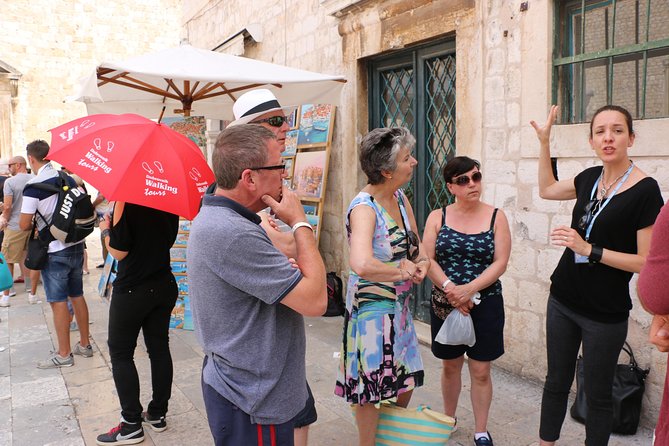
The meeting point beside the Large Onofrio’s Fountain is easy to find, marked by a red umbrella near the Hard Rock Cafe. Guides such as Ivana, Jelena, Sara, Joseph, Ermina, and Pero have been praised for clear storytelling and personal warmth. Just remember that Dubrovnik’s stone streets can be crowded, slippery after rain, and tiring for anyone who struggles with steps.
In This Review
- Key points to know before booking
- Why this 90-minute walk works so well
- Starting at the Large Onofrio’s Fountain
- Holy Savior and the Franciscan Monastery
- Stradun, the city’s great public room
- Orthodox, Jewish, and Muslim connections
- Gundulic Square and the Rector’s Palace
- The Cathedral and the Richard the Lionheart legend
- The Old Port, ships, quarantine, and fortresses
- Luza Square and the final monuments
- What the guides add to the experience
- Pace, access, and practical comfort
- Is $24.19 good value?
- Who should book this Dubrovnik walk?
- FAQ
- How long does the Dubrovnik Old Town History Walking Tour last?
- Where does the tour start?
- Where does the tour end?
- Is hotel pickup included?
- What language is the tour offered in?
- How many people can join the tour?
- Should you book it?
Key points to know before booking
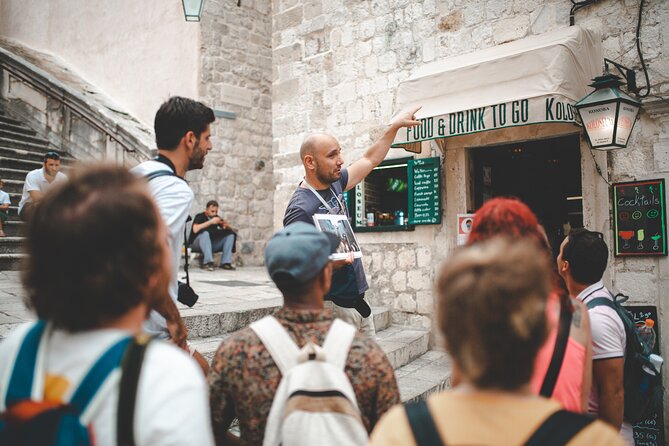
- A strong first-day orientation: The route covers the principal streets, squares, churches, palace, harbor, and civic monuments in one compact outing.
- Local stories add flavor: Guides bring in family connections, daily life, folklore, and accounts of the city’s wartime damage and recovery.
- The route is mostly step-free: One review found it useful for a step-free introduction, though other parts of Dubrovnik have many stairs.
- You visit the Old Port: The harbor section explains shipbuilding, quarantine, and the old fortifications, not just the postcard views.
- Good value for a short tour: At $24.19, you receive a local English-speaking guide and a helpful overview without paying separate entrance fees.
- A maximum of 30 people: The group may be fairly large, so arrive at the red umbrella early and stay close to the guide.
Why this 90-minute walk works so well
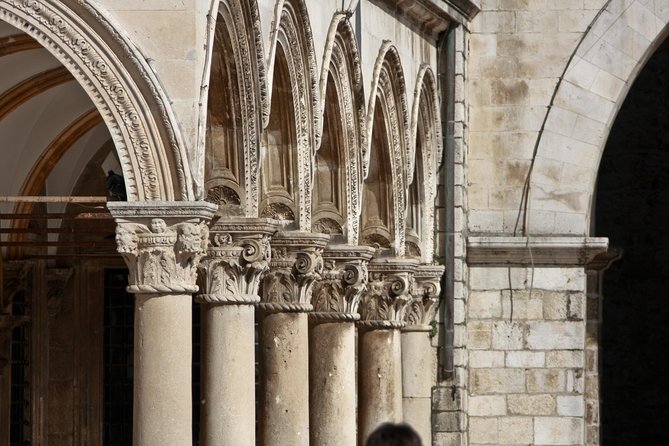
Dubrovnik can feel confusing when you first enter through the Pile Gate. The Old Town is compact, but its squares, lanes, churches, palaces, and fountains all carry layers of meaning. This tour gives you a simple framework: Dubrovnik was the Republic of Ragusa, a small maritime trading state that protected its independence through diplomacy, trade, and careful civic planning.
The route is not designed as a series of long museum visits. Instead, you pause outside important buildings while your guide explains what happened there and why it matters. That makes the tour light on formal admissions but strong on orientation.
I see this as a useful companion to later independent exploring. After the walk, you can return to the Rector’s Palace, spend more time at the Cathedral, explore the Franciscan complex, or wander toward the harbor with a better sense of direction.
The tour is offered in English, and departure times can suit different schedules. Confirmation arrives at booking, and the experience returns to its starting point rather than leaving you at an unfamiliar corner of town.
More Historical Tours in Dubrovnik
- Game of Thrones & History of Dubrovnik Tour
★ 5.0 · 628 reviews - Dubrovnik: Old Town History Walking Tour
★ 4.9 · 474 reviews - Early Bird Dubrovnik History Tour – 7:30 Start
★ 5.0 · 198 reviews
Starting at the Large Onofrio’s Fountain
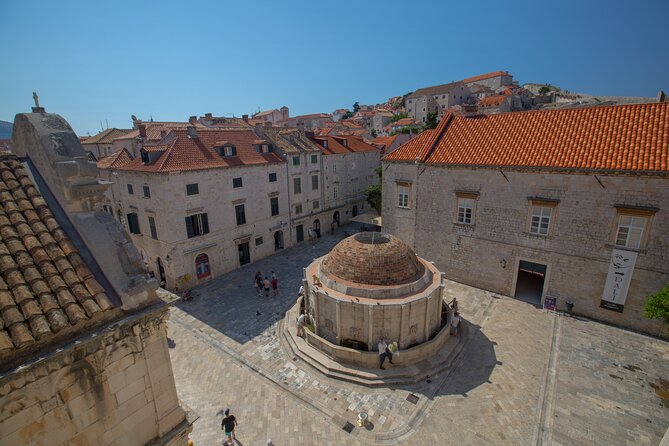
The tour begins beside the Large Onofrio’s Fountain at Poljana Paska Miličevića, next to the Hard Rock Cafe. Look for the red umbrella. The opening introduction takes about five minutes, giving the guide a chance to gather the group and set the scene.
The fountain is more than a convenient meeting spot. It is part of Dubrovnik’s historic aqueduct system, an impressive public work that helped supply water to the city. Here, your guide explains how Ragusa grew from a small coastal settlement into a trading republic with the money and organization to build such systems.
This is a good place to arrive a little early. The meeting area can be busy, and a group of as many as 30 people is easier to join before the walk begins.
Holy Savior and the Franciscan Monastery
From the fountain, you head down the main street and pass the small Church of the Holy Savior. The brief stop introduces the role of religion in public life and shows how churches helped shape the Old Town’s appearance.
The next major stop is the Franciscan Church and Monastery. This large complex includes a church, monastery, library, and pharmacy. Its pharmacy dates to 1317 and is described as the third-oldest functioning pharmacy in the world.
The guide also explains that the original monastery was built outside the walls in the 13th century. The library, built in the 17th century, holds more than 20,000 books, including about 1,200 old manuscripts.
You should not expect a full visit inside during this short walk. The value here is the background. Once you know the pharmacy’s age and the monastery’s role, you can decide if it deserves a longer return visit.
Stradun, the city’s great public room

The walk continues along Placa, better known as Stradun. This broad stone street divides the Old Town’s northern and southern sections and serves as its main promenade, business street, and setting for public celebrations and religious processions.
Stradun is a practical place to learn how Dubrovnik is laid out. Rather than seeing a maze of lanes, you begin to understand the city’s basic plan and the relationship between its central street and the narrower side passages.
The historical timeline also widens here. Your guide covers the decline of the Republic of Ragusa, its end in 1808, the later period of Yugoslavia, and the Homeland War of the 1990s. This modern chapter matters. Dubrovnik is not an untouched medieval stage set. Parts of the Old Town suffered damage, and the city has rebuilt while continuing daily life among its old stones.
This section is also where the tour can feel fastest. Stradun is a popular pedestrian thoroughfare, and the group may need to pause at the side rather than block the street.
More Old Town Walks in Dubrovnik
- Dubrovnik: Old Town Walking Tour
★ 4.8 · 5,174 reviews - Dubrovnik Discovery Old Town Walking Tour
★ 5.0 · 4,458 reviews - Dubrovnik: City Walls Early Morning or Sunset Walking Tour
★ 4.8 · 1,523 reviews - Dubrovnik: Ancient City Walls & Wars Walking Tour
★ 5.0 · 1,270 reviews
Orthodox, Jewish, and Muslim connections
Leaving the main street, you walk through narrower inner lanes toward the port and stop at the Church of the Holy Annunciation, an Orthodox Christian church.
This stop broadens the story beyond Catholic Dubrovnik. The guide discusses the influence of Orthodox Christian, Jewish, and Muslim communities on the city’s past. That wider view helps explain Dubrovnik as a trading port connected to many parts of the Mediterranean and beyond.
The point is not to spend a long time at one monument. It is to show you that the city’s identity was shaped by contact, commerce, and different religious communities living and working near one another.
Gundulic Square and the Rector’s Palace
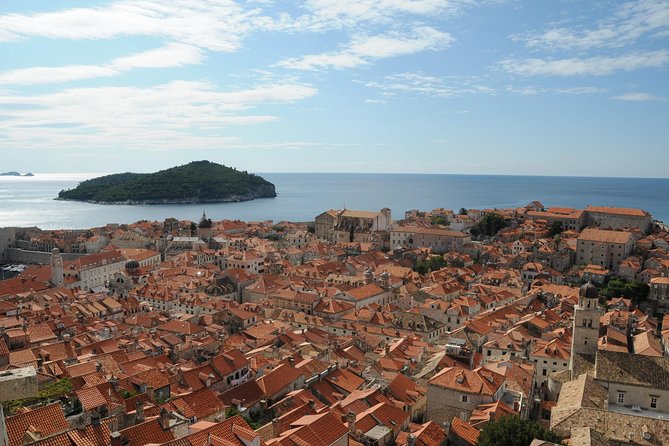
At Gundulic Square, the route reaches the Green Market and the Monument to poet Ivan Gundulic. The market offers a glimpse of local produce and continuing traditions, giving the tour a present-day pause after so much medieval and political history.
This is one of the more human sections of the walk. Stories about food, customs, and local habits help you picture Dubrovnik as a lived-in city rather than only a historic site. The guides are often praised for adding personal anecdotes and everyday details, which is especially useful if you want more than dates and architectural labels.
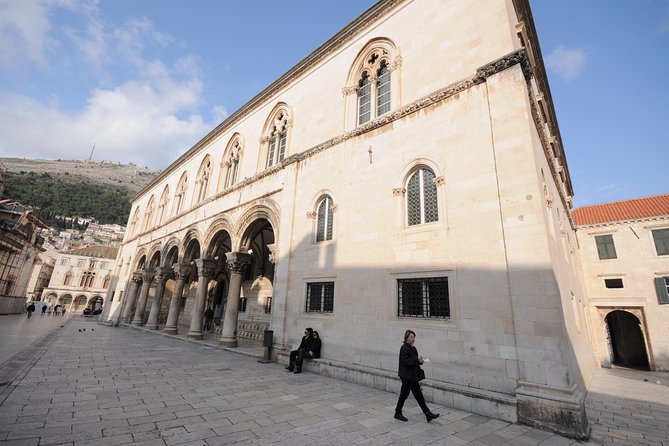
Nearby, you reach the Rector’s Palace, one of the city’s most important buildings. From the 14th century until 1808, it served as the seat of the Rector of the Republic of Ragusa. It also housed the Minor Council and state administration, along with an armoury, powder magazine, watch house, and prison.
The palace is a fine example of Dubrovnik’s political structure. The Rector held authority, but the republic’s institutions surrounded him. A short exterior explanation cannot replace visiting the palace museum, but it gives you a reason to look closely when you return.
The Cathedral and the Richard the Lionheart legend
The Cathedral of the Assumption of the Virgin Mary brings in one of Dubrovnik’s best-known legends. According to the story, Richard the Lionheart was shipwrecked near Lokrum in 1192 while returning from the Crusades.
Your guide presents this as a legend, which is the right way to handle it. Dubrovnik’s history includes documented events, old traditions, and stories polished by centuries of retelling. A good walking tour lets you enjoy both without confusing folklore with firm fact.
The cathedral stop lasts only about five minutes, so you will mainly receive an introduction from outside. If sacred art and church interiors interest you, plan time to return independently.
The Old Port, ships, quarantine, and fortresses
The route then reaches the City Harbor, one of the most rewarding parts of the walk. Dubrovnik’s ships were known around the Mediterranean, and galleons from the republic served in naval forces across Europe and beyond.
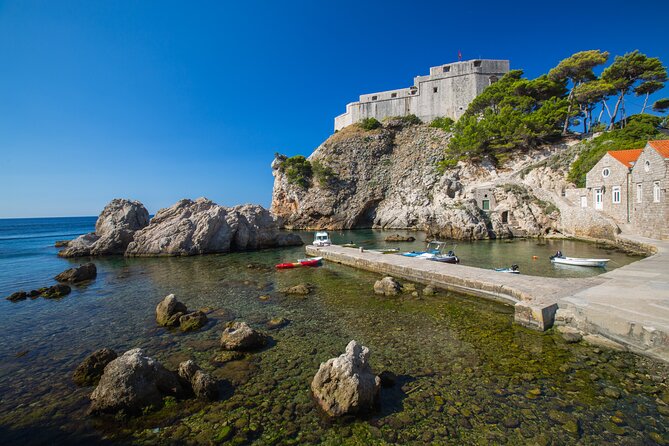
Your guide explains the Arsenal, where ships were built and loaded, along with the old quarantine system. The nearby fortresses of St. Luke and St. John add a defensive angle to the harbor story.
This stop helps connect Dubrovnik’s stone streets to its wider economy. The republic’s power did not come only from walls and elegant buildings. It depended on ships, trade, port rules, and the ability to protect goods and people from disease and attack.
The harbor section receives about 15 minutes, making it one of the longer pauses. You get time to look around, but the tour does not include a boat ride or entry into harbor attractions. One useful option after the walk is to explore the waterfront at your own pace. A separate 45-minute boat trip around the city walls was particularly praised as a follow-up activity.
Luza Square and the final monuments
Leaving the port, you return toward the eastern end of Stradun and Luza Square, beneath the City Bell Tower. This final section gathers several important sights into one view.
You hear about St. Blaise, Dubrovnik’s patron saint, and the legend of Orlando, the knight represented by the column in the square. The Sponza Palace, Small Onofrio’s Fountain, and the high bell tower round out the stop.
This is a fitting end because it brings together religion, civic pride, commerce, and legend. The tour finishes back near the original meeting point, so you can continue exploring without arranging transport.
The concentration of sights here also shows the limit of a 90-minute tour. You receive many introductions, but each one is short. If you want photographs, quiet reflection, or detailed architectural study, save those for afterward.
What the guides add to the experience
The strongest part of this experience is the guiding style. The most praised guides include Ivana, Jelena, Sara, Joseph, Ermina, Pero, Yvonna, and Ivanna. Names vary in the feedback, but the qualities are consistent: clear English, humor, strong command of local history, and an ability to keep the group moving without turning the walk into a lecture.
Ermina was singled out for her connection to the city, including a grandmother who still lives in the Old Town. She also explained areas affected by the 1991 and 1992 war. Sara was praised for blending personal stories with historical facts, while Ivana received repeated approval for her energy, answers, and practical recommendations.
Those details matter because Dubrovnik’s past can become a blur of dates. A local story gives the facts a place and a face. You may also leave with suggestions for food, gelato, museums, or later walks, although the exact advice depends on your guide.
The tour can sometimes become a private experience if only one booking is made. That is not guaranteed, but it shows why departure dates and group size can affect the feel of the walk.
Pace, access, and practical comfort
Most travelers can take part, and one review found the route useful as a step-free introduction. Still, do not read that as a promise that all of Dubrovnik is step-free. The Old Town has many stairs, especially away from the main streets, and less mobile visitors may find the wider city difficult.
Wear shoes with a good grip. The limestone paving can be slick after rain, and the tour operates only in good weather. If poor weather causes cancellation, you can choose another date or receive a full refund.
There is no hotel pickup or drop-off. You must reach the Large Onofrio’s Fountain yourself, but the central meeting point is straightforward once you are near the Old Town. The tour includes the local guide and all taxes, fees, and handling charges. Entrance tickets to museums or interiors are not part of the experience.
The group limit is 30 people. That is not an intimate small-group guarantee, so keep close to the guide and listen for meeting instructions at each pause.
Is $24.19 good value?
I consider the price reasonable for Dubrovnik. At $24.19, you are paying for a local English-language overview that covers a large share of the Old Town in 90 minutes. Since no admissions are included, the value comes from orientation, context, and the time saved by having the route organized.
It is especially useful if you are visiting for the first time, have only a short stay, or want to understand what you are seeing before paying for museum entry. It is less suitable if you prefer slow photography, long interior visits, or a highly specialized architectural tour.
The 4.9 rating from 1,684 reviews and the 99 percent recommendation figure point to a consistently well-received experience. Still, the format itself should guide your expectations: this is a brisk overview, not an exhaustive study of every monument.
Who should book this Dubrovnik walk?
Book it if you want a clear first look at the Old Town, enjoy stories as much as monuments, or need help planning the rest of your stay. Families can appreciate the manageable length, and the guides generally keep the pace friendly and engaging.
It also suits history-minded visitors who want the Republic of Ragusa, religious communities, maritime trade, Yugoslavia, and the Homeland War placed in one connected story. The local perspective is particularly helpful in a city where polished stone and famous film locations can distract from real life.
You may want to skip it if you already know Dubrovnik well, dislike group walks, or want to spend the whole morning inside museums. In that case, independent exploration may give you more control.
FAQ
How long does the Dubrovnik Old Town History Walking Tour last?
The tour lasts approximately 1 hour and 30 minutes.
Where does the tour start?
It starts at the Large Onofrio’s Fountain on Poljana Paska Miličevića, beside the Hard Rock Cafe. Guides gather near the red umbrella.
Where does the tour end?
The walk ends back at the meeting point.
Is hotel pickup included?
No. Hotel pickup and drop-off are not included.
What language is the tour offered in?
The tour is offered in English.
How many people can join the tour?
The maximum group size is 30 people.
Should you book it?
Yes, if this is your first visit to Dubrovnik. The route is efficient, the price is fair, and the guides add the local detail that a guidebook often misses. Book it near the beginning of your stay, then use the rest of your time to revisit the Rector’s Palace, Cathedral, Franciscan complex, harbor, or city walls at a slower pace.
If you want a relaxed, detailed museum experience, choose something else. For a compact introduction to Dubrovnik’s streets, power, faith, trade, legends, and recent troubles, this walking tour is a sensible start.
More Walking Tours in Dubrovnik
- Dubrovnik: Game of Thrones Walking Tour
★ 5.0 · 1,732 reviews - Dubrovnik: Game of Thrones Walking Tour
★ 4.9 · 981 reviews - ‘Game of Thrones’ Walking Tour in Dubrovnik
★ 4.5 · 945 reviews - Dubrovnik: Old Town Walking Tour
★ 4.9 · 792 reviews
Just added around Dubrovnik
- Dubrovnik Sunset Mountain Tour With Wine★ 5.0 · 9 reviews
- From Dubrovnik: Mali Ston Oyster Paradise Tour with Transfer★ 4.8 · 9 reviews
- Dubrovnik: Private Panoramic Half-Day Buggy Tour with Brunch★ 4.6 · 9 reviews
- Luxury Day tour to Mostar and Kravice waterfalls★ 5.0 · 9 reviews
- Blue Sea & Black Mountains – Montenegro★ 5.0 · 9 reviews
- Montenegro from Dubrovnik Private Tour★ 5.0 · 9 reviews
- Sarajevo & Mostar Private Day Tour from Dubrovnik★ 4.5 · 9 reviews
- Ston Oysters & Wine Tasting Tour from Dubrovnik★ 5.0 · 9 reviews
City Walls & Old Town Tours, compared.




City Walls Early Morning or Sunset Walking Tour
Read our review →
Plitvice Lakes with Boat Ride and Zadar Old Town Tour
Read our review →

Plitvice Lakes with Boat Ride & Zadar Old town tour
Read our review →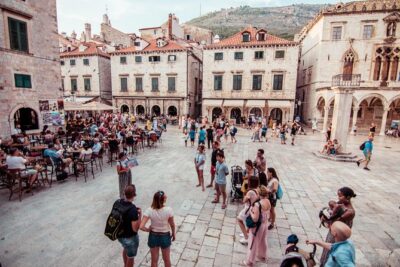
Dubrovnik Combo: Old Town & Ancient City Walls
Read our review →Browse the lists this tour appears in