
Reviewed · ZAGREB TOURS
Best of Zagreb with the WW2 Tunnels
Zagreb reveals itself on foot. This 2.5-hour private walking tour links the Croatian capital’s main square, market, medieval lanes, grand cathedral, and Gric Tunnel, while a local guide adds the stories you would likely miss alone. I especially like the stop at Dolac Market, where the city’s daily life feels close at hand, and the personal guidance from locals such as Diana, Darko, Ena, Ivana, and Iva.
The route is a smart first look at Zagreb, particularly if you have only a day or two. You get a useful mix of landmarks and local context for $23.98 per person. The main drawback is that the walk includes hills, stairs, and plenty of pavement, and some tours have finished after two hours rather than the advertised two and a half to three.
In This Review
- Key points to know before booking
- Starting at Ban Josip Jelacic Square
- Zagreb Cathedral and the effects of the 2020 earthquake
- Dolac Market, Zagreb’s Belly of the City
- Bloody Bridge and the old route uphill
- Stone Gate and the climb into the Upper Town
- St. Mark’s Square and Zagreb’s political center
- Gric Tunnel and Zagreb’s wartime past
- The guide makes the difference
- How much walking and time should you expect?
- Is $23.98 a good value?
- Who should book this Zagreb walk?
- Should you book Best of Zagreb with the WW2 Tunnels?
- FAQ
- Where does the tour start?
- What time does the tour begin?
- Where does the tour finish?
- How long does the tour last?
- What sights are included?
- Is the tour private?
- Can I cancel for a full refund?
Key points to know before booking
- Dolac Market brings everyday Zagreb into the tour: This short stop gives you a look at the city’s produce market, known locally as the Belly of the City.
- The route covers Zagreb’s essential Old Town sights: You visit Ban Josip Jelacic Square, the cathedral, Bloody Bridge, Stone Gate, St. Mark’s Square, and Gric Tunnel.
- The WWII tunnel adds a different side of the city: The passageways offer a sobering contrast to Zagreb’s squares and colorful roofs.
- Local guides are the main strength: Guides including Diana, Darko, Ena, Ivana, Iva, and Kristina are praised for humor, clear English, and personal stories.
- Plan for a real walking workout: Hills, stairs, and uneven Old Town streets make comfortable shoes a must.
- The price is low for a private format: At $23.98 per person, the tour offers strong value if you want a quick orientation with direct access to a guide.
Starting at Ban Josip Jelacic Square
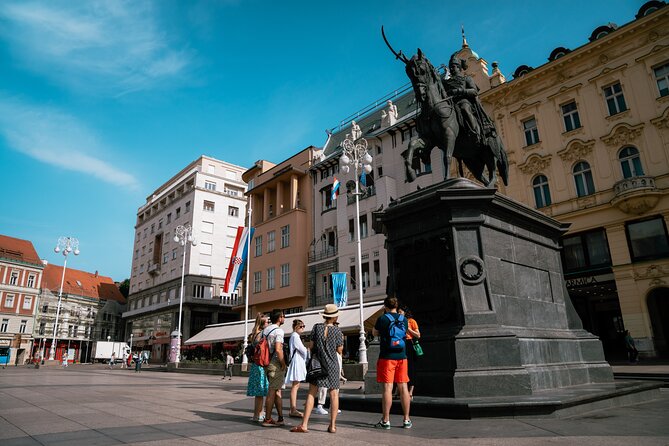
The tour begins at 10:30 a.m. beneath the watchful presence of Ban Josip Jelacic, the mounted figure who gives Zagreb’s main square its name. This is a practical meeting point because it sits at the center of the city and is easy to use as a reference point for the rest of your stay.
Your guide begins with an introduction to Zagreb and the city’s layout. That opening matters. Zagreb can feel like two cities joined together: a modern lower town with broad streets and public squares, and an older upper section reached by stairs, steep streets, and the famous funicular. A good orientation helps you understand where you are going before the climb begins.
The square also gives you a chance to get a feel for local life. It is not just a monument surrounded by buildings. It is a common meeting place, and the guide’s explanation of Croatian life and customs helps turn a simple starting point into useful context.
Other Zagreb trips people book alongside this one:
- From Zagreb: Plitvice & Rastoke Guided Day Trip with Ticket
★ 4.9 · 2,955 reviews - Zagreb: Rastoke & Plitvice Lakes Guided Tour with Ticket
★ 4.9 · 1,897 reviews - Communism & Croatian Homeland War Tour
★ 5.0 · 1,355 reviews
Zagreb Cathedral and the effects of the 2020 earthquake
From the main square, the route continues to Zagreb Cathedral, one of Croatia’s tallest and most recognizable buildings. Its twin towers make it an easy landmark, while the surrounding streets show the layered character of the Old Town.
The guide explains why the cathedral matters to Zagreb and to Croatian religious life. You can expect to hear about its role as a major city landmark, not simply admire the facade and move on.
There is an important practical point here. Damage from the 2020 earthquake has affected some churches and historic buildings in Zagreb, and access can change as repairs continue. The tour focuses on exterior sights rather than promising entry into every building, so you should not book it expecting a full indoor church tour.
That limitation did disappoint at least one participant who hoped to enter churches and buildings under repair. Still, the tour’s main purpose is to introduce you to Zagreb’s streets, stories, and key landmarks. The cathedral works well as an early stop because it places the city’s religious and architectural past in view.
Dolac Market, Zagreb’s Belly of the City
A few minutes from the cathedral is Dolac Market, the city’s best-known open market. Locals call it the Belly of the City, a fitting name for a place tied to daily shopping and ordinary routines.
The stop is brief, about 10 minutes, so think of it as an introduction rather than a long food tour. You get a look at the market’s role in Zagreb life and may sample local specialties as part of the experience. The food element adds welcome variety to a route otherwise centered on buildings and historical tales.
I like this part because it gives you something more useful than another monument. You see where local food culture meets the city center, and your guide can help explain what you are looking at. The tour is not designed as a full market crawl, so anyone hoping for a large meal or extended tasting should plan to eat separately.
The timing also makes sense. Dolac is close to the cathedral and the upper town route, so you get a taste of local life without losing the morning to a long detour.
Bloody Bridge and the old route uphill
The walk then moves through Krvavi Most, or Bloody Bridge. Today it is a street, but it once served as a bridge and was linked to battles and disputes. The name gives you a hint of the kind of small, memorable detail that makes a walking tour more rewarding than a map-based stroll.
This is one of Zagreb’s better examples of how the modern city covers older layers. You are walking on an ordinary urban passage, yet the guide connects it to conflict and rivalry from an earlier period. You do not need a long lecture to remember a place called Bloody Bridge.
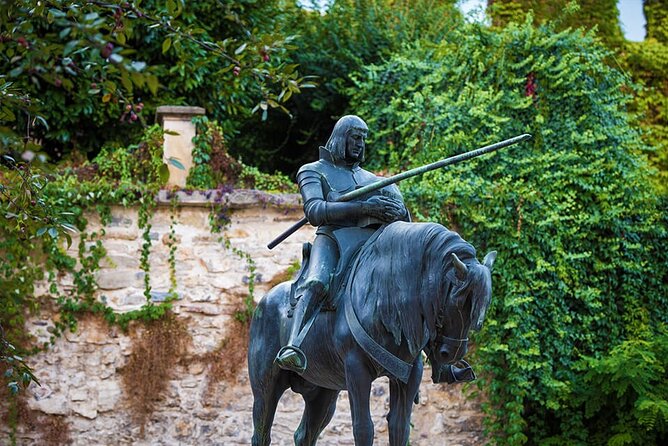
The route continues uphill toward the historic entrance known as Petrini Pyli. Here, you see the chapel dedicated to the city’s patron saint and one of the oldest pharmacies in the world, according to the tour’s presentation. These are compact sights, but they add character to the walk because they are easy to pass without noticing on your own.
This is also where the physical demands of the route become clearer. The Old Town includes inclines, stairs, and uneven surfaces. Several participants have found the walk fully worthwhile, but you should wear sturdy shoes and avoid treating this as a flat, effortless city stroll.
Something different for another day:
- Plitvice Lakes with Ticket & Rastoke Guided Tour from Zagreb
★ 5.0 · 966 reviews - Zagreb: Small Group Walking Tour City Center and WW2 Tunnels
★ 4.9 · 895 reviews - Zagreb: Skip-the-Ticket-Line Museum of Broken Relationships
★ 4.5 · 847 reviews - Zagreb: City and WWII Tunnels Walking Tour
★ 4.9 · 845 reviews
Stone Gate and the climb into the Upper Town
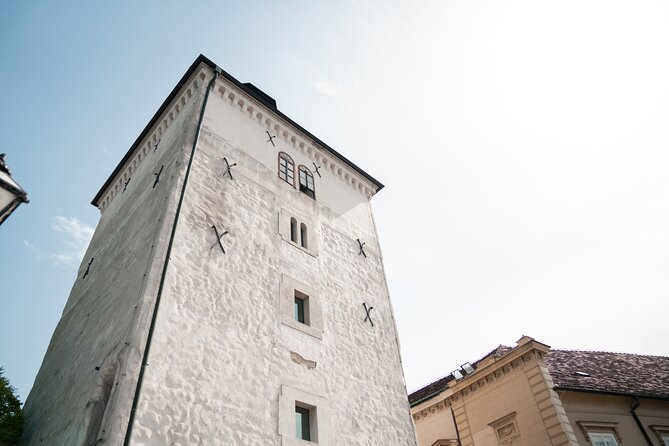
The Stone Gate, or Kamenita Vrata, is one of Zagreb’s most meaningful historic entrances. It leads into the Upper Town and includes a chapel connected with the city’s patron saint. The space feels more intimate than the broad main square, and the guide helps explain why it remains important.
The route’s strength is its progression. You begin in the open civic space of Ban Josip Jelacic Square, pass through the market and older street network, and then enter the Upper Town through places tied to defense, religion, and local tradition. You are not simply ticking off disconnected sights.
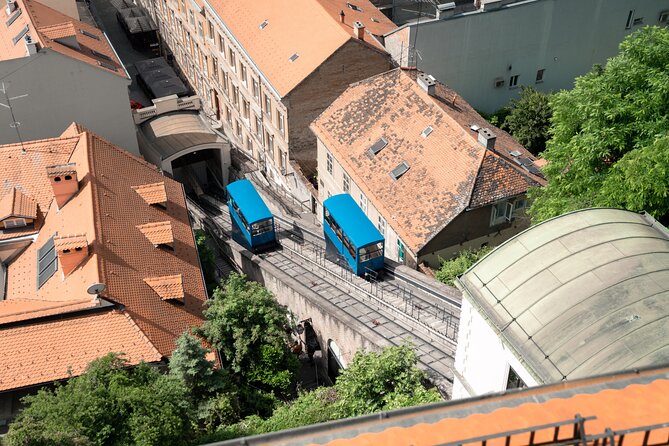
The supplied tour details also mention a funicular ride to the Old Town. The route information specifically places the Upper Town sights after the lower-city stops, so the exact use of the funicular may depend on the guide and day. Ask at the start if riding it is important to you, especially since the experience is primarily a walking tour and the route includes stairs and hills.
St. Mark’s Square and Zagreb’s political center
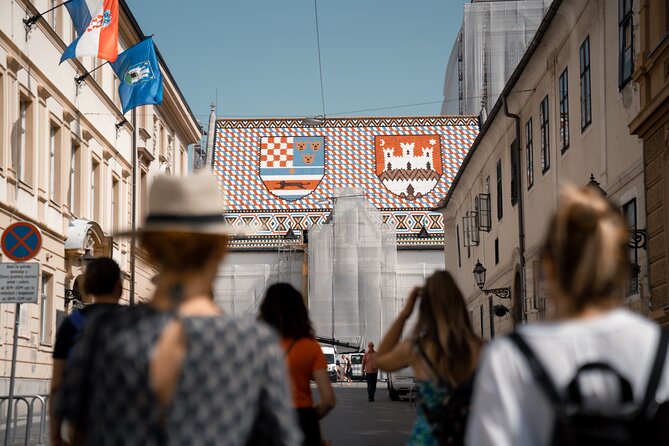
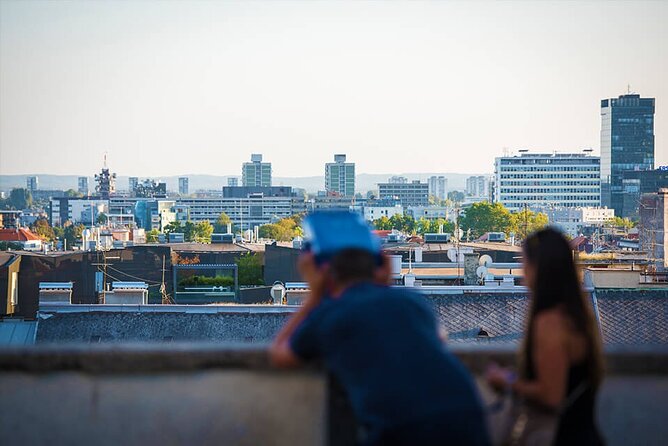
St. Mark’s Square is the visual high point of the tour. Its church is known for a colorful tiled roof bearing Croatia’s historic coats of arms, and the surrounding buildings house the Croatian Parliament and Government.
This compact square gives you a quick lesson in how Zagreb’s religious and political life sit side by side. The roof catches the eye first, but the surrounding government buildings make the stop more than a photo opportunity.
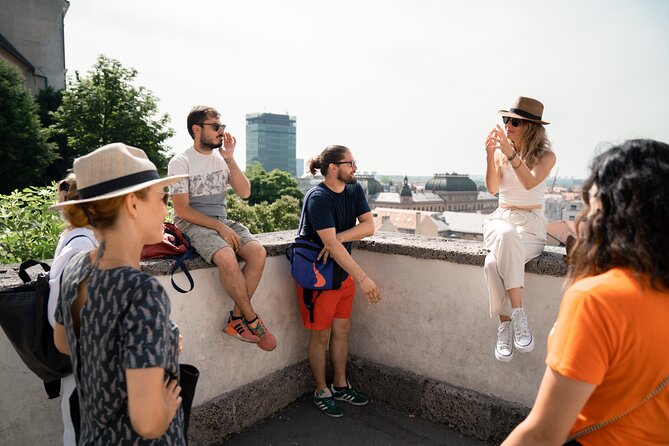
Your guide can also connect the square to Croatian identity, politics, and traditions. That personal narration is a major reason to choose a guided walk here. Without context, you may admire the roof, take a picture, and leave. With a local guide, the square becomes part of a larger story about Croatia.
Several guides have been singled out for making this kind of information easy to absorb. Diana is praised for mixing humor with her explanations, while Darko is described as friendly, proud of his country, and good at keeping a steady pace. Ena has also been noted for adding amusing stories and sharing suggestions for places to eat and things to do after the tour.
Gric Tunnel and Zagreb’s wartime past
The final major stop is Tunel Gric, commonly known as Gric Tunnel. Built during World War II under fascist rule, the passageways offer a darker side of Zagreb’s past. You walk through the tunnel for about 20 minutes, leaving behind the open squares and colorful architecture of the Upper Town.
The tunnel is valuable because it changes the mood of the tour. Zagreb is often presented through cafes, markets, churches, and polished public spaces. The tunnel reminds you that the city also lived through fear, war, and civil defense.
The route does not treat the tunnel as an isolated attraction. By placing it after the cathedral, market, medieval entrances, and St. Mark’s Square, the guide gives you a broader sense of the city across different periods. You see how Zagreb’s identity includes daily life, religion, government, conflict, and war.
The tunnel may be the most distinctive part of the experience, especially if you have already seen several European Old Towns. It gives this walk a sharper edge and helps explain why the title highlights the WWII tunnels rather than offering only a standard city tour.
The guide makes the difference
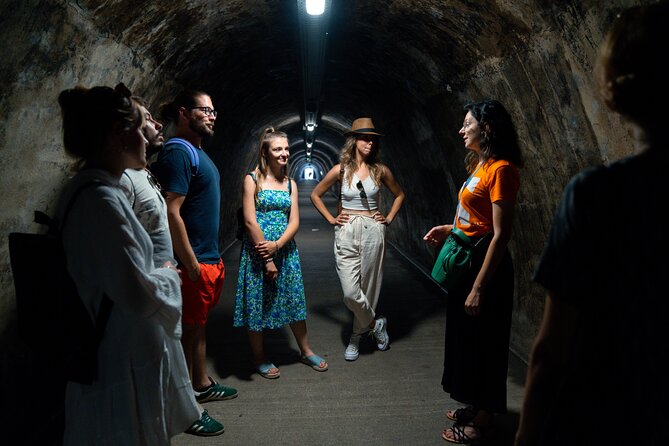
The tour includes a certified local guide with more than 500 tours of experience. That number is useful, but the individual guide matters more than the credential.
Diana is praised for her humor and broad knowledge of Zagreb. Darko is described as engaging each person in the group and telling stories with wit and sarcasm. Ena has been praised for making historical information entertaining and for sharing useful post-tour suggestions. Ivana is noted for her passion for Zagreb, while Iva receives high marks for clear English and explanations of Croatian history and culture. Kristina is described as enthusiastic and entertaining, particularly during the WWII tunnel portion.
These comments point to a consistent strength: the tour works best when the guide adds personal perspective. You are not only hearing dates and names. You are getting local views of life in Zagreb, along with small details that a printed guide may not provide.
The private format should also give your group direct attention from the guide. The activity requires at least two people per booking and lists a maximum of 15 participants. If you are expecting a tour exclusively for your own party, confirm how the private arrangement applies to your booking, since the stated maximum suggests that group size can vary.
How much walking and time should you expect?
The advertised duration is about two and a half hours, while the tour highlights also describe it as a two to three-hour experience. One participant reported that the walk lasted exactly two hours and still covered the planned sights.
That difference is not automatically a problem. A quick two-hour walk may suit you if you want a compact introduction before lunch or an afternoon museum visit. Still, build some flexibility into your schedule rather than assuming you will use the full three hours.
You will walk between all the main stops, with hills and stairs in the Upper Town. Most people can participate, and the tour is near public transportation. Service animals are allowed. Comfortable shoes, water, and a light approach to luggage will make the route easier.
The tour starts every day at 10:30 a.m. and ends back at Ban Josip Jelacic Square. That return point is useful because you can continue exploring from the same central area, return to your hotel, or use public transportation.
Is $23.98 a good value?
At $23.98 per person, this is an appealing price for a guided introduction to Zagreb. You receive about two to three hours with a certified local guide, a route through the city’s key historic areas, a market visit, local food samples, and access to the WWII tunnel portion.
The value is strongest if you are visiting Zagreb for the first time or staying only briefly. In one morning, you cover the main square, cathedral, market, Upper Town entrances, St. Mark’s Square, and Gric Tunnel. Doing that independently would cost less in cash, but it would also require more preparation and would not provide the local explanations that tie the sights together.
It is less suitable if you want long indoor visits, a full food tour, or a slow photography walk. Some buildings may be closed or under repair, and the market stop is short. You are paying mainly for orientation, storytelling, and an efficient route, not for entrance tickets or a full-day program.
Free cancellation is available if you cancel at least 24 hours before the start time. The tour requires a minimum of two people, and if that minimum is not met, you are offered another date or experience, or a full refund.
Who should book this Zagreb walk?
I would choose this tour for a first morning in Zagreb. It gives you the city’s basic map and leaves you with practical ideas for what to do next.
It also suits families and teenagers. Diana and Ena, in particular, have been praised for using humor to keep historical material moving, and the route combines food, monuments, old streets, and a tunnel rather than relying on one type of sight.
You should also consider it if you want direct conversation with a local guide. The strongest part of the experience is not the list of stops. It is the chance to ask about Croatian life, traditions, food, and modern Zagreb while walking through the places where those subjects make sense.
I would hesitate only if hills and stairs are difficult for you, or if your main goal is to enter historic buildings. In that case, check the current condition of Zagreb’s churches and plan separate indoor visits where possible.
Should you book Best of Zagreb with the WW2 Tunnels?
Yes, if you want an affordable, fast-moving introduction to Zagreb with strong local storytelling. The combination of Dolac Market, the Upper Town, St. Mark’s Square, and Gric Tunnel gives you more range than a standard monument walk.
Book it early in your stay so you can use the guide’s suggestions for the rest of your visit. Choose comfortable shoes, allow for the possibility of a two-hour finish, and keep expectations realistic about interior access after the earthquake damage.
At $23.98, this is an easy recommendation for first-time visitors, families, and anyone short on time. It is not a full food tour or a museum visit, but it is a useful and personable way to get your bearings in Zagreb.
FAQ
Where does the tour start?
It starts at Ban Josip Jelacic Square, Trg bana Josipa Jelacica, in Zagreb.
What time does the tour begin?
The tour begins at 10:30 a.m. and operates every day.
Where does the tour finish?
The activity ends back at Ban Josip Jelacic Square, the starting point.
How long does the tour last?
The stated duration is approximately two and a half hours, with the wider description allowing two to three hours. One tour finished after exactly two hours.
What sights are included?
The route includes Ban Josip Jelacic Square, Zagreb Cathedral, Dolac Market, Bloody Bridge, Petrini Pyli, the Stone Gate area, St. Mark’s Square, and Gric Tunnel.
Is the tour private?
It is described as a private walking tour with direct attention from a local guide. A minimum of two people is required per booking, and the maximum listed group size is 15 participants.
Can I cancel for a full refund?
Yes. You can cancel at least 24 hours before the local start time for a full refund. Changes or cancellations made less than 24 hours before the start time are not accepted for a refund.
Just added around Zagreb
- Zagreb: VR 3D Immersive Film Experience – Voucher★ 4.6 · 9 reviews
- Zagreb GRAND Private Walking Tour★ 4.5 · 9 reviews
- Zagreb: Explore with an Art Historian – Private Walking Tour★ 4.9 · 9 reviews
- From Zagreb: Plitvice Lakes & Rastoke Private Tour★ 5.0 · 9 reviews
- Croatian cuisine cooking class with Dolac market tour★ 5.0 · 9 reviews
- Private Guided Tour of Ljubljana and Lake Bled from Zagreb★ 5.0 · 9 reviews
- Picturesque Samobor & Samobor Castle Half-day Tour★ 4.5 · 9 reviews
- Zagreb to Split Private Transfer via Plitvice Lakes National Park★ 5.0 · 9 reviews
Zagreb Tours, compared.
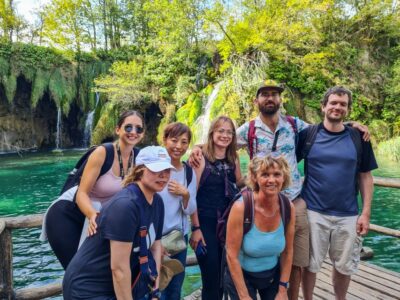
Plitvice & Rastoke Guided Day Trip with Ticket
Read our review →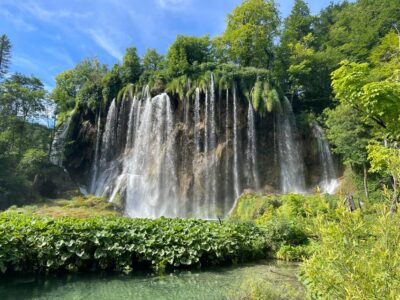
Rastoke & Plitvice Lakes Guided Tour with Ticket
Read our review →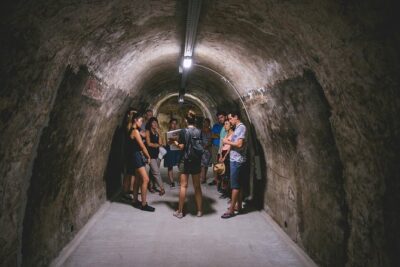
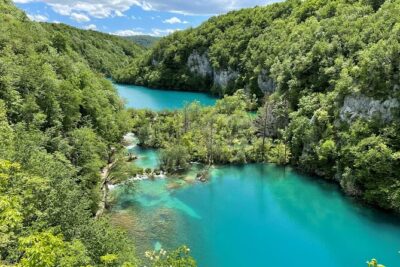
Plitvice Lakes with Ticket & Rastoke Guided Tour from Zagreb
Read our review →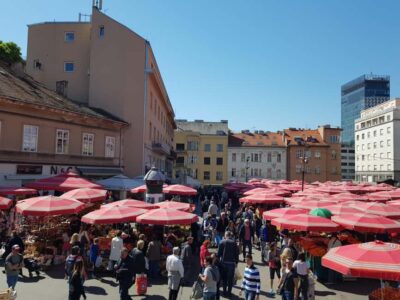
Small Group Walking Tour City Center and WW2 Tunnels
Read our review →
Skip-the-Ticket-Line Museum of Broken Relationships
Read our review →
Plitvice and Rastoke day trip from Zagreb w/ticket (guar. dep.)
Read our review →Browse the lists this tour appears in