
Reviewed · MUSEUMS
Zagreb: Skip-the-Ticket-Line Museum of Broken Relationships
Heartbreak makes an unusual museum subject. In central Zagreb, the Museum of Broken Relationships turns donated mementos into a moving collection of anonymous stories from around the world. I like the mix of sadness and humor, and I like that the exhibits cover family, friendship, identity, and addiction as well as romantic love. The main drawback is size: you may finish in 30 to 45 minutes if you read selectively, though careful readers can spend more than an hour.
At $8 per person, this is an easy addition to a Zagreb day. I especially appreciate the short, readable format for a city break, but the small rooms can feel crowded at busy times. The skip-the-ticket-line option may save time, although several people found no queue when they visited.
In This Review
- Key points to know before you go
- What makes this Zagreb museum different
- Entering with a skip-the-line ticket
- Reading the objects, not just looking at them
- From laughter to grief in one small room
- The museum’s strongest feature is its honesty
- How long should you allow in your Zagreb schedule?
- Timing, closing hours, and practical limits
- Is skip-the-line really worth paying for?
- Who will enjoy this most?
- My practical verdict on the $8 ticket
- FAQ
- How much does entry to the Museum of Broken Relationships cost?
- How long does a visit usually take?
- Is the ticket valid for a full day?
- Can I cancel my booking?
- Can I reserve now and pay later?
- Are the museum captions available in English?
- What time is the last entrance?
- Is the museum wheelchair accessible, and can I bring food or luggage?
Key points to know before you go
- Around 100 personal stories: Each object comes with an anonymous account explaining the relationship, loss, or memory behind it.
- Not just romantic breakups: You will find stories tied to parents, grandparents, friends, identity, and other forms of attachment.
- A quick but thoughtful stop: Plan on 30 to 45 minutes for a brisk visit, or about an hour to 75 minutes if you read nearly everything.
- English and Croatian captions: Other languages are available through QR codes or booklets.
- Skip-the-line access has limited value at quiet times: It can be convenient, but it is not always necessary.
- Small-group entry and wheelchair access: The activity limits groups to 10 people and welcomes wheelchair users.
What makes this Zagreb museum different
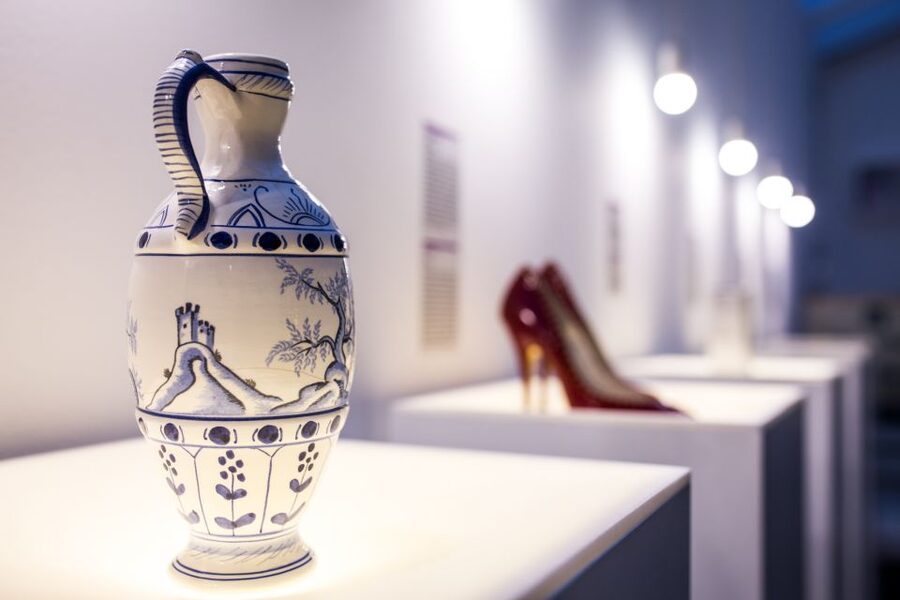
Most museums ask you to admire paintings, artifacts, or famous people. This one asks you to consider the emotional weight of everyday things. A simple item can become powerful once you know why someone kept it, gave it away, or finally sent it to Zagreb.
The collection began with the idea that objects from failed relationships could create a shared public place for private feelings. The result is not a conventional love museum. It is closer to a series of short human encounters, each built around one object and one anonymous voice.
You might see something practical, sentimental, funny, or strange. The item itself is often less important than the explanation beside it. A familiar object can suddenly carry the weight of a marriage, a friendship, a family bond, or a painful period of personal change.
That range keeps the visit from becoming one long sad confession. Some stories are funny. Some are bitter. Some feel gentle and accepting. A few may bring tears, while others leave you smiling at the odd ways people hold on to the past.
I like this variety because it makes the museum suitable for more than hopeless romantics. You do not need to arrive with a broken heart to understand the collection. You only need some patience for other people’s memories.
More Museums in Zagreb
- Zagreb: Nikola Tesla Technical Museum Ticket
★ 4.5 · 520 reviews - Zagreb: Museum of Illusions Entrance Ticket
★ 4.0 · 261 reviews - Museum of Illusions Zagreb
★ 4.0 · 197 reviews
Entering with a skip-the-line ticket
The ticket includes entry to the Museum of Broken Relationships. You can book for $8 per person, reserve now and pay later, and cancel up to 24 hours ahead for a full refund. The ticket is valid for one day, with opening times selected according to availability.
The skip-the-ticket-line feature is useful if you prefer to have your visit arranged before arriving. It also gives you a clear place in your Zagreb schedule. Still, set your expectations correctly. The museum is small, and several visits took place without a meaningful queue, especially during quieter periods or close to closing.
One visitor arrived 30 minutes early and was allowed inside, which suggests the staff can be accommodating when space allows. I would not count on early entry, but it is worth asking politely if you arrive ahead of your time.
The group limit is 10 people. That keeps the visit more manageable than a large guided tour, though it cannot prevent every busy spell. One important practical point is that the small exhibition can feel hot and crowded when too many people are inside at once.
Reading the objects, not just looking at them
This museum rewards a slow pace. You can walk through quickly and get the basic idea, but the real substance is in the captions. Each display links an object to a personal account, and the stories are the part you will remember afterward.
Plan for at least 30 minutes if you want a quick look. A more realistic estimate is 45 minutes to one hour for many people. If you read every description, you may spend around 75 minutes inside.
The amount of reading is both the museum’s strength and its one possible frustration. Visitors who enjoy text-based exhibitions tend to find plenty to hold their attention. If you prefer visual displays with little writing, the visit may feel slower than expected.
Some descriptions have been described as small or hard to read. That matters because the object alone may seem ordinary. Give yourself time to stand close enough to read the full text, and do not judge an exhibit before you have read its story.
I would treat the museum like a book of short stories rather than a gallery you can scan from the doorway. Move at your own speed. Read the pieces that draw you in, and do not feel obliged to study every display if the subject becomes too heavy.
From laughter to grief in one small room
The emotional rhythm is unpredictable. One display may deal with loss in a painful way, while the next uses humor or an odd souvenir to explain how someone moved on. That change of mood gives the museum energy and prevents it from becoming solemn from start to finish.
The stories are also broader than the name suggests. Romantic relationships are central to the idea, but the collection includes family and friendship. You may encounter memories connected to parents and grandparents, along with accounts involving identity, addiction, and other personal struggles.
That wider range is one of the collection’s best qualities. Love is not limited to couples, and the museum understands that losing a friend or family connection can hurt just as much. It also gives parents visiting with older children a way to talk about relationships without turning the museum into a lesson.
One family included a teenager and found the visit enjoyable. That does not mean every child will connect with the reading, but older children who can handle emotional subjects may find the mix of humor and sadness accessible.
I would use some judgment with younger children. The displays concern breakups, loss, and personal pain, so the tone is not always light. The museum does not appear to be designed as a children’s attraction, even though some families may enjoy it together.
Something different for another day:
- From Zagreb: Plitvice & Rastoke Guided Day Trip with Ticket
★ 4.9 · 2,955 reviews - Zagreb: Rastoke & Plitvice Lakes Guided Tour with Ticket
★ 4.9 · 1,897 reviews - Communism & Croatian Homeland War Tour
★ 5.0 · 1,355 reviews - Best of Zagreb with the WW2 Tunnels
★ 5.0 · 973 reviews
The museum’s strongest feature is its honesty
The accounts are anonymous, which helps keep attention on the shared feeling rather than on a famous name or dramatic biography. You are not being asked to follow a celebrity breakup. You are reading about someone whose object might look much like something in your own home.
That anonymity also creates a respectful distance. You can feel close to the emotions without invading a person’s current life. The museum becomes a place where private experience is made public in a controlled, thoughtful way.
I found the concept strongest when an item seemed almost too ordinary to display. A common belonging can represent years of hope, resentment, regret, or affection. That contrast is what gives the museum its punch.
The collection also invites you to think about your own objects. Many people carry small reminders of former relationships without realizing how much meaning they contain. The museum asks what happens when those items are separated from the owner and placed beside a written explanation.
There is a memory book where you can leave your own thoughts. You do not have to contribute anything, but it offers a quiet way to respond after reading the displays. I would save that for the end, once you know which stories stayed with you.
How long should you allow in your Zagreb schedule?
For a compact city itinerary, this museum fits neatly between larger sights. You can spend 30 minutes inside if you are short on time, though that will mean skipping many descriptions. Allow 45 minutes for a balanced visit, or about 60 to 75 minutes if you are a careful reader.
The activity information lists the ticket as valid for one day, not as a full-day guided program. That distinction matters. You are buying admission, not an all-day tour with transport or a guide included.
At $8, the price is reasonable even for a short stop. The value comes from the unusual idea and the writing, not from the number of rooms or objects. If you measure value by physical size, you may find the museum expensive compared with a large public collection. If you measure it by originality and the quality of the personal accounts, it is an affordable Zagreb attraction.
The museum is in the city centre, making it easy to pair with other stops. You do not need to build a whole day around it. A visit before lunch, during an afternoon walk, or early in the evening makes more sense than treating it as a major half-day attraction.
Timing, closing hours, and practical limits
Check the day’s availability before booking because starting times can vary. The last entrance is 7:30 PM from June 1 through September 30 and 8:30 PM from October 1 through May 31.
Do not arrive at the last minute if you want to read carefully. The final entrance time is not the same as a promise that you can take as long as you like after entering. Give yourself enough time to see the collection without rushing.
Food and drinks are not allowed in the exhibition. Large bags and luggage are also prohibited, so this is not a convenient stop immediately after arriving in Zagreb with suitcases. Plan to leave bulky belongings elsewhere before heading in.
The museum is wheelchair accessible. Captions are provided in Croatian and English. If you need another language, look for the QR-code options or ask about the available booklets.
Friendly staff are available to answer questions. A past visit also included a staff-led tour with Diana, who was described as informative and fun. The standard ticket information does not promise a guide, so think of that as a possible extra rather than part of every entry.
Is skip-the-line really worth paying for?
This depends on your timing. During a quiet visit, the ticket may not save you much. Several people arrived to find no line and felt that buying at the museum would have worked just as well.
The benefit is convenience. You have your admission arranged, and you do not need to wonder if the ticket desk will slow down your plans. That can be worthwhile during a busy summer afternoon or if your Zagreb schedule is tight.
The small size cuts both ways. A shorter queue is nice, but a line inside or a crowded room can affect the visit more than the ticket desk itself. If you see a busy entrance, skip-the-line access has more practical value. If the museum looks quiet, you may decide that advance booking is simply a way to keep your plans tidy.
I would book ahead if you strongly prefer certainty or want the cancellation and pay-later flexibility. I would not book solely because you expect a long wait every day.
Who will enjoy this most?
I recommend the museum to adults, couples, solo visitors, and older teenagers who like personal stories. It works particularly well for people who enjoy reading labels and thinking about the meaning behind ordinary objects.
It is also a good choice if you have already seen Zagreb’s more traditional museums and want something less formal. The collection is quirky without being a joke. Its humor helps, but the emotional core remains serious.
You may enjoy it less if you want grand rooms, famous artworks, or a large collection that fills several hours. The museum is intentionally compact, and a few stories may feel weak or less memorable than others. That unevenness is normal for a collection built from real contributions rather than a single artist’s planned series.
Couples should not assume the visit will be romantic. Some stories may lead to thoughtful conversation, while others may feel uncomfortable or sad. That can be a strength, but it is worth knowing before you go.
My practical verdict on the $8 ticket
The Museum of Broken Relationships is one of Zagreb’s most unusual cultural stops. Its best moments come when a plain object opens into a sharp, funny, or painful account of how people connect and separate.
I like the international range, the inclusion of family and friendship stories, and the mix of humor with grief. I also like that you can see it without sacrificing half a day. The main limits are the small size, the amount of reading, and the fact that skip-the-line access may not always be needed.
At $8, I consider it good value for a thoughtful 30 to 75-minute visit. Book it if you want a distinctive museum with emotional weight and you enjoy reading personal accounts. Skip it if you are looking for a grand collection or have very little patience for text.
FAQ
How much does entry to the Museum of Broken Relationships cost?
The listed price is $8 per person. The ticket includes entry to the museum.
How long does a visit usually take?
You can see the museum in about 30 to 45 minutes if you read selectively. Allow one hour to 75 minutes if you want to read nearly every description.
Is the ticket valid for a full day?
The activity is valid for one day. Check availability for the available starting times.
Can I cancel my booking?
Yes. You can cancel up to 24 hours in advance for a full refund.
Can I reserve now and pay later?
Yes. The reserve-now, pay-later option lets you book without paying at the time of reservation.
Are the museum captions available in English?
Yes. Exhibit captions are written in Croatian and English. Other languages are available through QR codes or booklets.
What time is the last entrance?
From June 1 through September 30, the last entrance is at 7:30 PM. From October 1 through May 31, the last entrance is at 8:30 PM.
Is the museum wheelchair accessible, and can I bring food or luggage?
The museum is wheelchair accessible. Food, drinks, luggage, and large bags are not allowed.
Just added around Zagreb
- Zagreb GRAND Private Walking Tour★ 4.5 · 9 reviews
- Zagreb: VR 3D Immersive Film Experience – Voucher★ 4.6 · 9 reviews
- Zagreb: Explore with an Art Historian – Private Walking Tour★ 4.9 · 9 reviews
- Croatian cuisine cooking class with Dolac market tour★ 5.0 · 9 reviews
- From Zagreb: Plitvice Lakes & Rastoke Private Tour★ 5.0 · 9 reviews
- Private Guided Tour of Ljubljana and Lake Bled from Zagreb★ 5.0 · 9 reviews
- Picturesque Samobor & Samobor Castle Half-day Tour★ 4.5 · 9 reviews
- Zagreb to Split Private Transfer via Plitvice Lakes National Park★ 5.0 · 9 reviews
Museums, compared.

Blue Lagoon & Underwater Museum from Split with Lunch & Drinks
Read our review →

PREMIUM Emperor’s Walking Tour for History Lovers + Museum
Read our review →
Klis Fortress GOT and Olive Museum Entry Tickets
Read our review →


Browse the lists this tour appears in