
Reviewed · MUSEUMS
Zagreb: Museum of Illusions Entrance Ticket
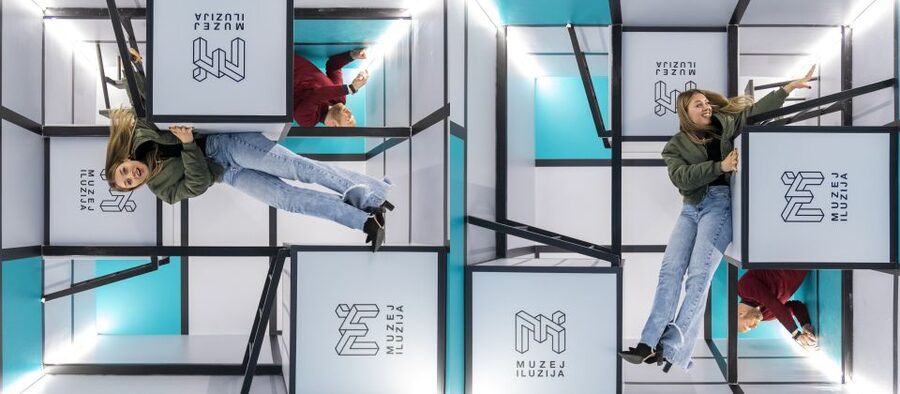
Optical tricks begin at the door. Zagreb’s Museum of Illusions turns vision, balance, and scale into hands-on fun, with more than 70 exhibits and one of Europe’s larger hologram displays. I especially like the mix of clever science and playful photo opportunities, plus the freedom to move at your own pace rather than follow a fixed tour.
I also like that a $14 ticket can fill a useful hour or two, especially for families, friends, and anyone needing an indoor break in Zagreb. The main caution is organization: the museum has no clear path to follow, and the rooms can feel messy when children and larger crowds gather around the most popular installations.
In This Review
- Key things to know before you go
- Entering Zagreb’s world of optical tricks
- The first circuit: visual illusions and changing scale
- Defying gravity in the tilted rooms
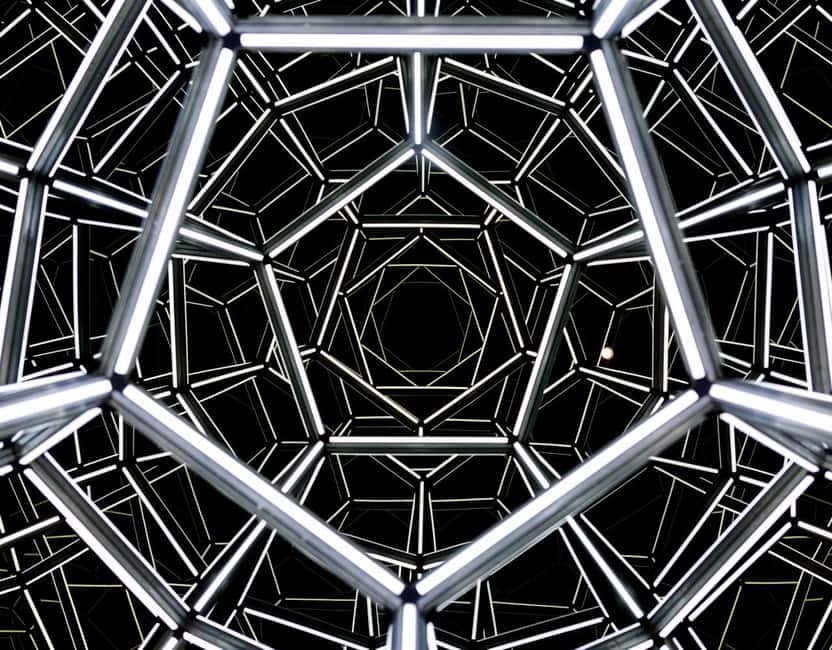
- The mirror maze and the Rotated Room
- Holograms and the science behind the spectacle
- The playroom’s puzzles and hands-on tests
- How long the visit may take
- Crowds, flow, and the photo problem
- Who will enjoy this museum most
- Booking, cancellation, and practical details
- Should you book Zagreb’s Museum of Illusions?
- FAQ
- Where is the Museum of Illusions experience located?
- How much does admission cost?
- How long is the ticket valid?
- What does the ticket include?
- Can I cancel the booking?
- Are captions available in English?
- Is the museum suitable for wheelchair users?
Key things to know before you go

- More than 70 exhibits: Expect optical illusions, sensory tricks, puzzles, and demonstrations about how your eyes and brain interpret the world.
- A major hologram display: The hologram section is one of the museum’s biggest draws and is unusually extensive for this type of attraction.
- Strong photo potential: The Rotated Room, mirror maze, shrinking and growing effects, and ceiling room give you plenty of playful pictures to take.
- Hands-on science: You do not just look at displays. You test balance, scale, perspective, and perception yourself.
- Flexible timing: Your ticket is valid for one day, and you can stay as long as you like during your visit.
- Check accessibility needs: The museum is not suitable for wheelchair users, although service animals are permitted.
Entering Zagreb’s world of optical tricks
You show your voucher at the museum’s main entrance, then begin exploring independently. There is no guide leading you from exhibit to exhibit, and no fixed schedule that controls your visit. That freedom is useful because you can pause at the displays that interest you and move quickly past the ones that do not.
The museum’s purpose is simple but effective: it shows how easily your senses can be fooled. Your eyes collect information, but your brain has to interpret it. When the visual clues do not fit together, the result can look impossible.
I find this more interesting than a room full of passive displays. You are asked to stand in a strange space, look through a device, solve a puzzle, or pose for a picture. The lesson arrives through your own reaction. You see one thing, then discover that the physical setup is doing something quite different.
The captions are available in English, German, Italian, and Croatian. That matters because the displays work best when you understand the short explanations behind them. English is also one of the languages available from the host or greeter.
More Museums in Zagreb
- Zagreb: Skip-the-Ticket-Line Museum of Broken Relationships
★ 4.5 · 847 reviews - Zagreb: Nikola Tesla Technical Museum Ticket
★ 4.5 · 520 reviews - Museum of Illusions Zagreb
★ 4.0 · 197 reviews
The first circuit: visual illusions and changing scale
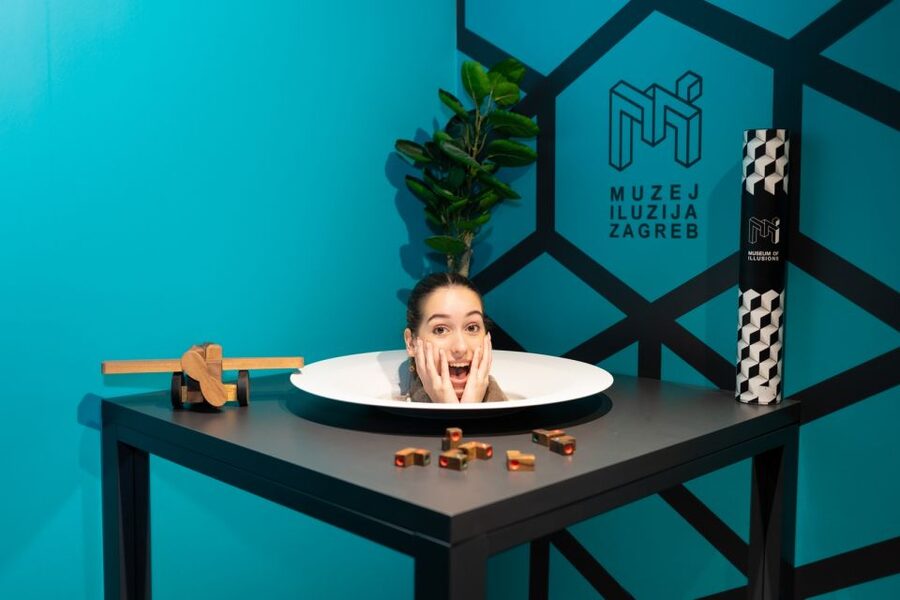
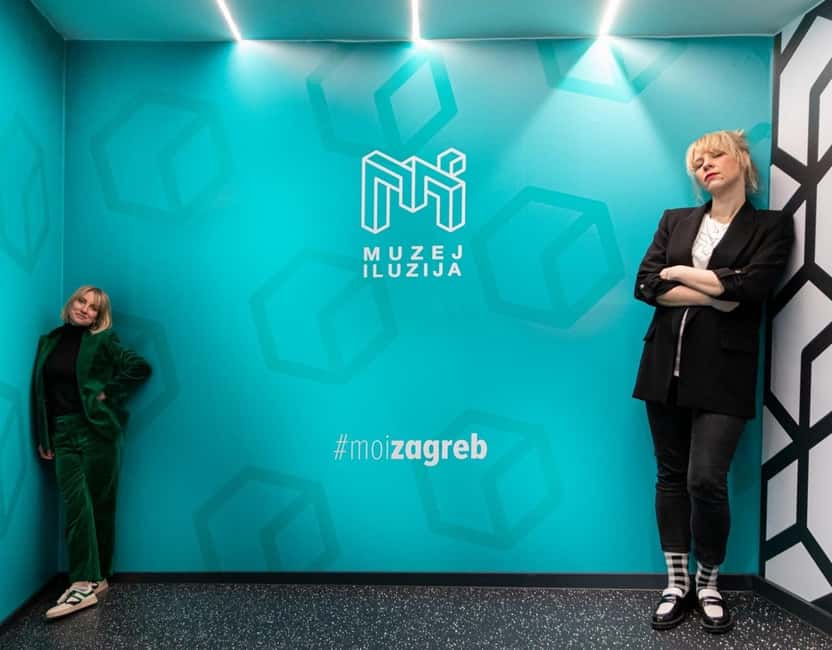
The most familiar part of the museum uses perspective to make people appear larger, smaller, or oddly positioned. You may see a friend grow or shrink in front of you, depending on where each person stands in the room.
These exhibits work particularly well with two or more people. One person becomes part of the illusion while another takes the photograph, so bring a camera or make sure your phone is ready. A solo visitor can still enjoy the displays, but the photo element is less useful without someone else to help.
The appeal is not only the finished picture. You can also watch the effect happen as you change position. A room that looks normal from one angle may suddenly appear distorted from another. That small shift is a practical lesson in perspective, not just a visual gag.
Some of the installations may feel similar to one another. The museum focuses on a central idea, and several exhibits explore that idea through related tricks. I would not expect every display to feel completely new, but the variety of settings keeps the visit moving.
Defying gravity in the tilted rooms
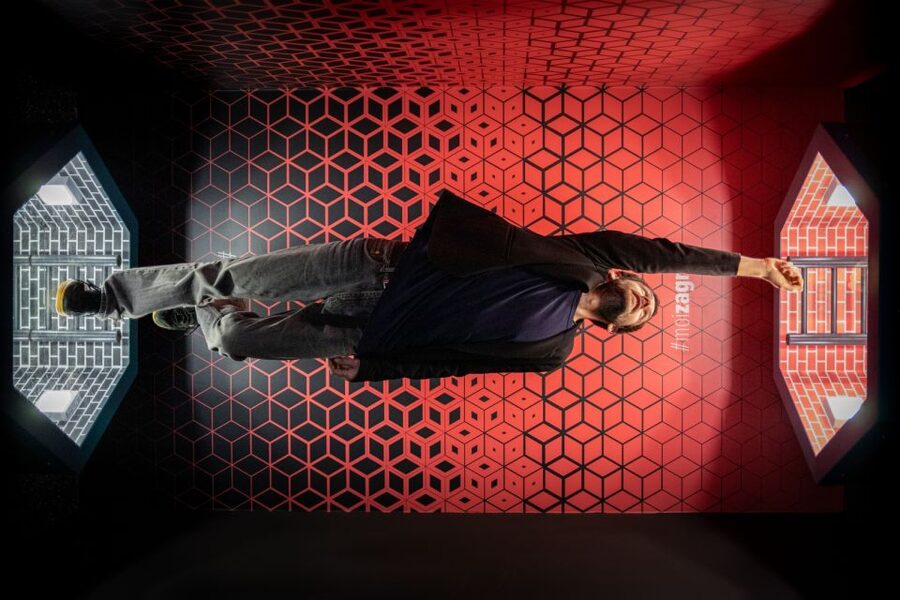
The gravity-themed rooms are among the easiest exhibits to understand and among the most entertaining to photograph. One installation creates the impression that water flows uphill, challenging the basic rules you expect from a normal room.
Another lets you climb onto a ceiling. The effect depends on the room’s unusual construction and your position inside it, but the result looks far more dramatic in a photograph than it feels in ordinary space.
These installations are valuable because they show how much you trust familiar visual cues. Floors should be level. Water should run downhill. People should stand on floors rather than ceilings. Change the angle of the room, and your brain tries to make sense of a situation that no longer follows its usual pattern.
You will want to allow time for other people to take their photographs. The museum does not provide a clearly marked route, so popular rooms may have several people waiting, posing, or trying to work out the best camera angle. A little patience helps, especially if you visit with children.
The mirror maze and the Rotated Room
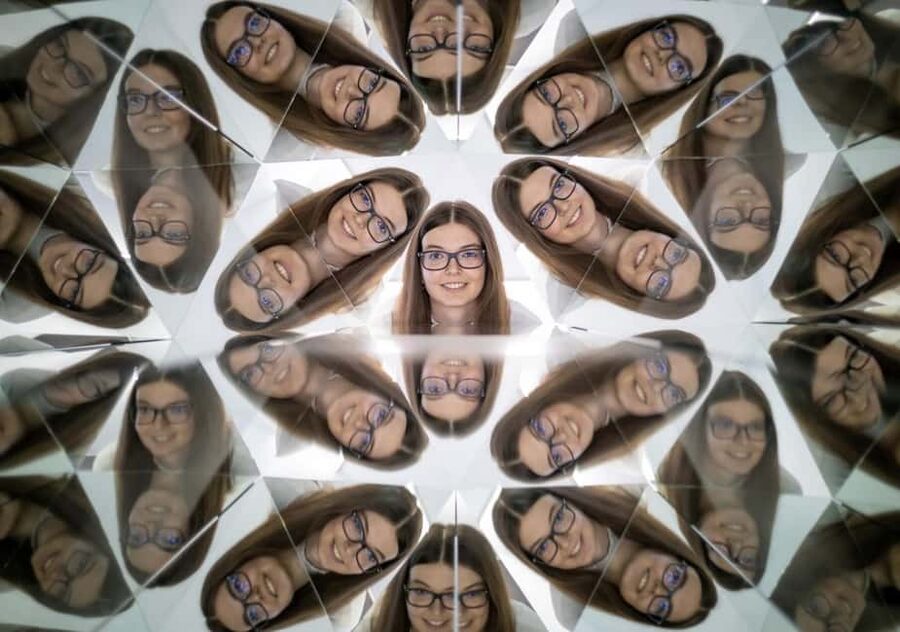
The mirror maze changes the pace of the visit. Instead of presenting one large visual trick, it surrounds you with repeated reflections and makes it harder to judge where the next opening is. Move slowly and pay attention to the path. The point is not speed.
The maze also shows how easily a familiar room can become confusing when depth and direction are repeated. It is simple in concept, but it gives you a physical sense of uncertainty that a wall caption cannot provide.
Save the Rotated Room for a final photograph if you can. The room is designed to make an ordinary pose look dramatically off-balance, and it gives you a clear finishing picture from the visit. The attraction itself recommends photographing your accomplishment there, which makes it a natural last stop.
Because there is no compulsory sequence, you may encounter the Rotated Room early. If you want a neat ending, remember its location and return to it near the end. That small bit of planning can make the visit feel less scattered.
Something different for another day:
- From Zagreb: Plitvice & Rastoke Guided Day Trip with Ticket
★ 4.9 · 2,955 reviews - Zagreb: Rastoke & Plitvice Lakes Guided Tour with Ticket
★ 4.9 · 1,897 reviews - Communism & Croatian Homeland War Tour
★ 5.0 · 1,355 reviews - Best of Zagreb with the WW2 Tunnels
★ 5.0 · 973 reviews
Holograms and the science behind the spectacle
The hologram exhibition adds a different kind of visual trick. Instead of relying mainly on a distorted room or mirror, holograms play with light and the way an image appears to occupy space.
The display is described as one of the largest hologram exhibitions in Europe. That gives it more weight than a single novelty case. You can spend time looking closely at how the images change as you move, then compare that effect with the room-based illusions elsewhere in the museum.
The explanations connect the exhibits to vision, perception, the human brain, and science. You do not need a technical background to follow them. The point is to help you understand why your eyes can register something that your brain struggles to accept.
That educational layer makes the museum suitable for more than a quick photo stop. Children can enjoy the jokes and strange images, while adults can focus on the question behind them: how much of what you see is a direct record of the world, and how much is your mind making a best guess?
The playroom’s puzzles and hands-on tests
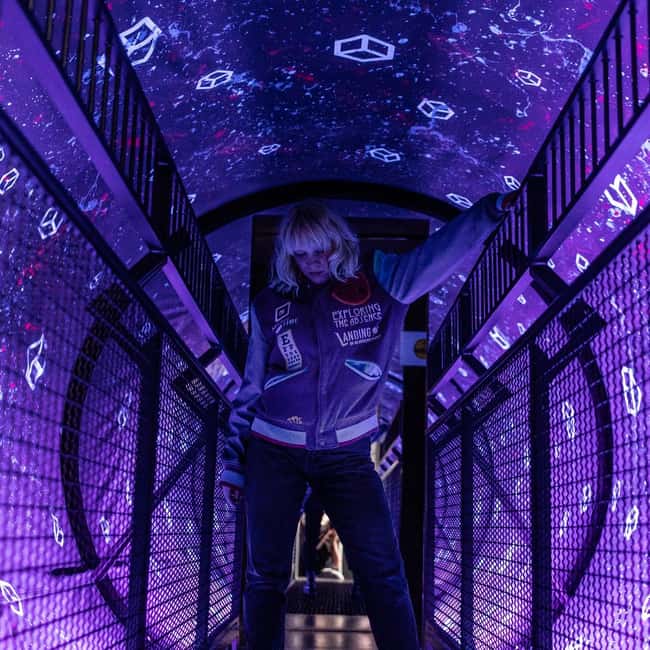
The playroom contains games and puzzles with an educational purpose. This is a good section for visitors who prefer solving something rather than simply posing beside an illusion.
Expect the puzzles to test patience, visual judgment, and problem-solving. I would give children time to try them without rushing to the answer. The value comes from the attempt, especially when an apparently simple puzzle refuses to work as expected.
For adults, the playroom can be a useful change from the larger installations. After several rooms built for photographs, a puzzle gives you a quieter reason to concentrate. It also reinforces the museum’s main idea: perception is not always reliable, and a different way of looking can reveal the solution.
Food and drinks are not allowed inside, so plan around that rule. Pets are not permitted either, but service animals are allowed.
How long the visit may take
The ticket is valid for one day, not for a particular short time slot. Starting times depend on availability, so check the schedule before booking. Once inside, you have flexibility to decide how much attention to give each area.
There is no stated fixed duration. Your time will depend on the crowd, how many photographs you take, and how long you spend with the holograms and puzzles. A fast visit could focus on the major rooms, while a slower visit allows more time for captions and repeated attempts.
I would treat the museum as a compact indoor activity rather than a full-day attraction. The $14 price is fair if you actively use the exhibits, take photographs, read the explanations, and try the puzzles. It feels less convincing if you only walk through quickly and stop at a few obvious photo rooms.
The lack of a set route cuts both ways. You can avoid wasting time, but you may also miss something if you move too quickly. Before leaving, make one final loop through the rooms and check that you have seen the holograms, playroom, mirror maze, and Rotated Room.
Crowds, flow, and the photo problem
The museum’s free-flowing layout is one of its practical weaknesses. There is no single direction that everyone follows, so people can bunch up around popular installations. Children may be moving between rooms, while adults wait for a clear moment to take pictures.
That does not ruin the experience, but it affects your expectations. You may need to share a room, wait briefly, or adjust the order of your visit. If you want clean photographs, take your time and let other groups finish rather than trying to rush through.
The same layout can also be an advantage. You are not forced to spend equal time at every exhibit, and you can return to a favorite display. I would approach the museum as a collection of experiments rather than a formal exhibition with a carefully controlled route.
A camera is listed as an item to bring, and that advice is practical. The visual tricks make more sense when you see the final image, particularly in the scale rooms, tilted rooms, and Rotated Room.
Who will enjoy this museum most
Families with children are a natural fit because the exhibits invite movement and participation. The playroom gives younger visitors something to do beyond looking at displays, while the larger rooms create easy group photographs.
Friends traveling together may get the most from the experience because many illusions work better with two or more people. You can take turns posing, photographing, and testing how the trick changes from different positions.
Adults who enjoy science communication should appreciate the connection between playful exhibits and perception. The museum does not require specialist knowledge, but it gives you enough explanation to understand why the tricks work.
This may be less satisfying if you want a large, traditional museum with a long chronological route and extensive collections. One visitor found it too small, and that is a fair warning. The attraction is focused, and some exhibits can feel repetitive because they explore related kinds of visual confusion.
It is also not suitable for wheelchair users. If accessibility is important for your visit, confirm that the current setup meets your needs before booking.
Booking, cancellation, and practical details
The cost is $14 per person. You can reserve now and pay later, which helps if your Zagreb schedule may change. Free cancellation is available up to 24 hours in advance for a full refund.
You show your voucher at the main entrance. The experience is offered with English and Croatian support, and captions are available in English, German, Italian, and Croatian.
Because the ticket is valid for one day, it works well as a flexible stop between other Zagreb plans. I would avoid treating it as a strict timed tour. Check the available starting times, arrive with your voucher ready, and bring a camera.
The overall rating is 4 out of 5 from 261 ratings, which fits the experience well. The strongest appeal is its creativity and photo-friendly design. The main limits are its compact size, related exhibits, and loose crowd flow.
Should you book Zagreb’s Museum of Illusions?
Book it if you want a playful indoor attraction that mixes science, puzzles, holograms, and group photographs. At $14, it offers good value when you take your time and actively test the displays instead of rushing through.
I would especially recommend it to families, couples, and groups of friends who enjoy taking pictures together. It is also a smart choice when you want an activity with flexible timing and captions in several languages.
Skip it if you need wheelchair access, dislike photo-focused attractions, or expect a large museum with a long, carefully ordered route. For everyone else, keep your expectations sensible: this is a compact collection of clever experiments, not an all-day institution. Used that way, it is an easy and enjoyable addition to a Zagreb day.
FAQ
Where is the Museum of Illusions experience located?
It is located in Zagreb County, Croatia. You enter through the museum’s main entrance.
How much does admission cost?
The entrance ticket costs $14 per person.
How long is the ticket valid?
The ticket is valid for one day. Available starting times depend on the schedule shown when you check availability.
What does the ticket include?
The ticket includes entrance to Zagreb’s Museum of Illusions and access to its exhibits.
Can I cancel the booking?
Yes. You can cancel up to 24 hours in advance for a full refund.
Are captions available in English?
Yes. Captions are available in English, German, Italian, and Croatian.
Is the museum suitable for wheelchair users?
The experience is not suitable for wheelchair users. Service animals are permitted, but pets are not.
Just added around Zagreb
- Zagreb: VR 3D Immersive Film Experience – Voucher★ 4.6 · 9 reviews
- Zagreb GRAND Private Walking Tour★ 4.5 · 9 reviews
- Zagreb: Explore with an Art Historian – Private Walking Tour★ 4.9 · 9 reviews
- Croatian cuisine cooking class with Dolac market tour★ 5.0 · 9 reviews
- From Zagreb: Plitvice Lakes & Rastoke Private Tour★ 5.0 · 9 reviews
- Private Guided Tour of Ljubljana and Lake Bled from Zagreb★ 5.0 · 9 reviews
- Picturesque Samobor & Samobor Castle Half-day Tour★ 4.5 · 9 reviews
- Zagreb to Split Private Transfer via Plitvice Lakes National Park★ 5.0 · 9 reviews
Museums, compared.

Blue Lagoon & Underwater Museum from Split with Lunch & Drinks
Read our review →
Skip-the-Ticket-Line Museum of Broken Relationships
Read our review →

PREMIUM Emperor’s Walking Tour for History Lovers + Museum
Read our review →
Klis Fortress GOT and Olive Museum Entry Tickets
Read our review →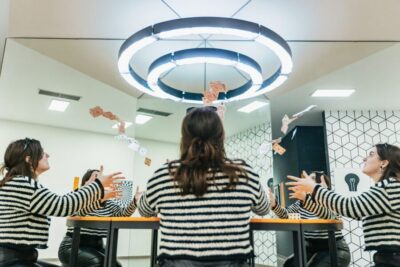
Browse the lists this tour appears in