

Reviewed · CITY WALLS & OLD TOWN TOURS
Zagreb: Restaurants, Food & Old Town Walking Tour
Come hungry, leave oriented. This three to four-hour Zagreb tour pairs four tasting stops with a walk through the city’s central squares, markets, churches, towers, and wartime tunnel. I like the smart route through both Kaptol and Gradec, and I like that the food is served as real regional dishes rather than tiny decorative bites. The main caution is value: at $107.68 per person, you should expect generous portions and strong guiding to feel the price is justified.
The 4 p.m. start works well for an afternoon in Zagreb. You see the city in daylight, then may catch streetlights and seasonal decorations coming on later in the tour. The route includes cobblestones, hills, stairs, and the very short Uspinjača funicular area, so comfortable shoes matter.
The strongest part is usually the guide. Damjan, Damian, Ivan, Patrik, and Marin are praised for making the food and city stories lively, with Damjan receiving especially warm comments for his humor and enthusiasm. Still, guide energy can vary, and a small number of participants found the wines or food uneven for the cost.
In This Review
- Key Things to Know Before You Book
- Starting at Ban Jelačić Square at 4 p.m.
- Istria on a Plate at the First Restaurant
- Dolac Market and Warm Zagreb Appetizers
- Tkalčićeva Street, Stone Gate, and the Cathedral
- Gradec, St. Mark’s Square, and the Short Funicular
- Strossmayer Promenade and the Main Course
- Tunnel Grič and the Story Behind Bloody Bridge
- Dessert, Regional Wine, and the End of the Tour
- Is $107.68 a Fair Price?
- What to Expect on the Walk
- Who Should Book This Zagreb Food Tour?
- Should You Book It?
- FAQ
- Where does the Zagreb food tour start?
- What time does the tour begin?
- Where does the tour end?
- How long does the experience last?
- What food and drinks are included?
- Can vegetarians join the tour?
- Is the tour suitable for people with limited mobility?
Key Things to Know Before You Book
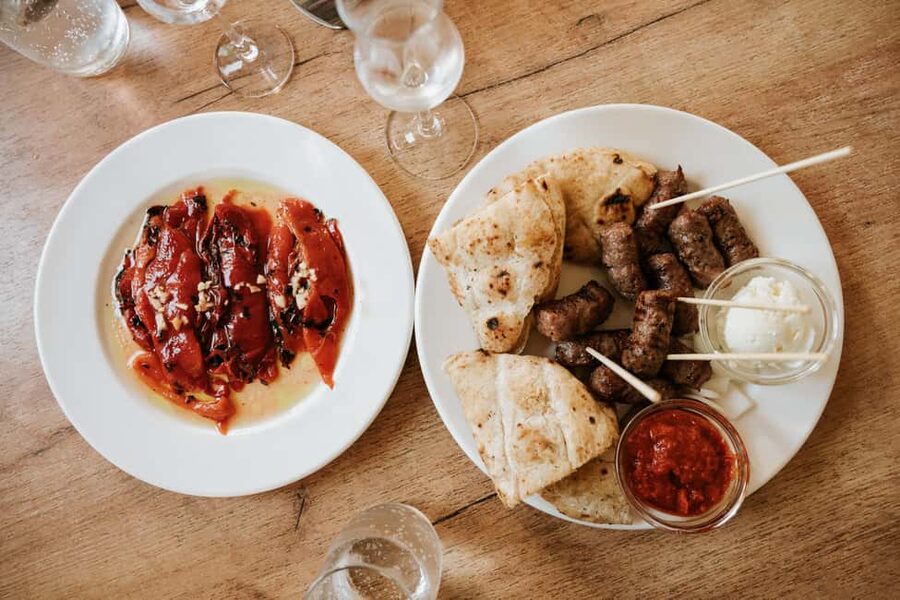
- Four substantial tasting stops: You receive an Istrian cold dish, Zagreb-area warm appetizers, a regional main course, and a Croatian dessert.
- A compact tour of central Zagreb: The route links Ban Jelačić Square, Dolac Market, Tkalčićeva Street, Stone Gate, Zagreb Cathedral, St. Mark’s Square, the Lotrščak defense tower area, Strossmayer Promenade, Tunnel Grič, and Bloody Bridge.
- Wine and rakija are included: Several Croatian wines are served, along with one tasting of rakija, a local brandy.
- Expect a full meal, not just samples: Multiple people found the food plentiful enough to leave them completely full.
- The walk has hills and stairs: Cobblestones and Gradec’s sloping streets make this a poor match for anyone wanting an easy, flat stroll.
- Dietary limits matter: Vegetarian food is available on request, but there is no gluten-free menu and the tour is not recommended for vegans.
Starting at Ban Jelačić Square at 4 p.m.

The meeting point is Trg J. Jelačića, Zagreb’s central Ban Jelačić Square. Locals often call it Jelačić plac. This is a practical starting point because it is the city’s main meeting place and sits below the older districts of Kaptol and Gradec.
The square began as a marketplace called Harmica in the 17th century. Today it is the setting for major public events and a useful place to get your bearings before walking into the old city.
A short walk brings you to European Square, an open public space near the cathedral. It often hosts craft markets, music events, and other outdoor activities. A miniature model of Zagreb here gives you a quick visual guide to the city’s main streets and landmarks.
This opening section is not only filler before the food begins. It helps you understand Zagreb’s layout. The newer central city spreads around Ban Jelačić Square, while the older districts rise just above it.
More Food Tours in Zagreb
- Taste Zagreb Food Tour
★ 5.0 · 256 reviews - Zagreb: Restaurants, Food & Old Town Walking Tour
★ 4.7 · 170 reviews - Zagreb: Food Tour with Tastings
★ 4.9 · 153 reviews
Istria on a Plate at the First Restaurant
The first restaurant, at Augusta Cesarca 2, introduces food from Istria, the peninsula in northern Croatia. You taste a cold regional dish and pair it with Istrian wine.
This is a good first course because Istria has a distinct food identity within Croatia. The emphasis here is on regional customs, local ingredients, and wine culture rather than a generic Croatian sampler. One especially well-liked pairing is truffle cheese with wine, though the exact dish can vary.
You spend about 30 minutes at this stop. It is enough time to eat, listen, and ask questions without losing the walking-tour rhythm.
The wine selection may favor white wines. That pleased some participants, but if you do not drink wine, say so at the start. The included drinks are a meaningful part of the price, but wine preferences are personal, and not every bottle will appeal to every palate.
Dolac Market and Warm Zagreb Appetizers
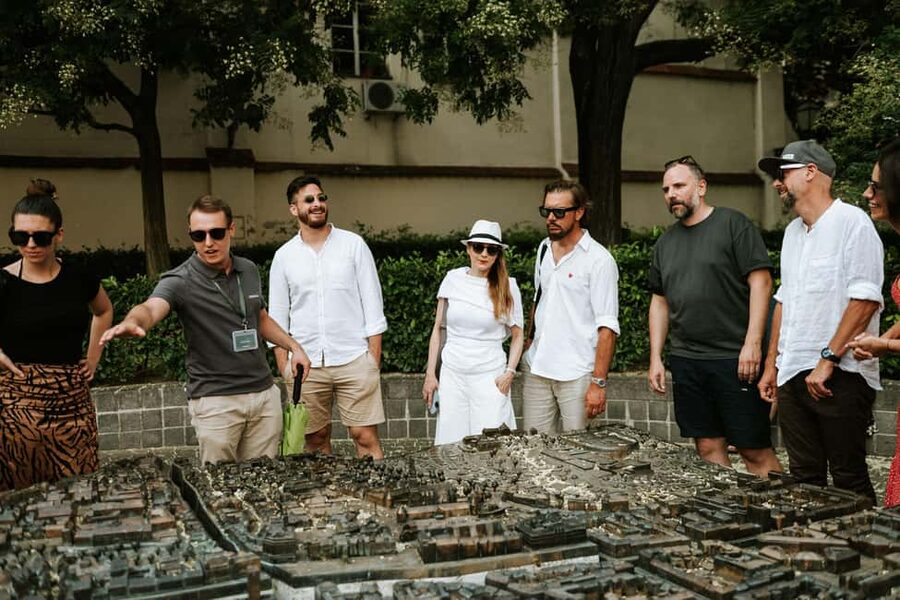
The route continues to Dolac Market, one of Zagreb’s best-known food locations. Operating since 1930, Dolac combines an open farmers market with a covered market beside it.
The market gives useful context to the meal. Instead of hearing about Croatian cuisine in the abstract, you are walking through a place tied to everyday food shopping and local produce. The guide can connect the market to Zagreb’s cooking traditions before you sit down for the next course.
The second restaurant, at Dolac 2, serves warm appetizers from the Zagreb region. This stop lasts about 40 minutes and includes regional drinks. By this point, the meal begins to feel substantial.
That is one of the tour’s practical strengths. You are not simply collecting one-bite samples. The portions can add up quickly, so do not eat a large late lunch before meeting the group. The tradeoff is that a food tour with full portions leaves less room for improvising dinner later.
Tkalčićeva Street, Stone Gate, and the Cathedral
After Dolac, you walk along Tkalčićeva Street, one of central Zagreb’s main social streets. Cafes, small restaurants, traditional shops, and boutiques line the route.
It is a useful contrast with Dolac. The market shows daily food life, while Tkalčićeva shows Zagreb’s cafe culture and its blend of old buildings with present-day city life. The street can also be lively, so stay close enough to hear the guide.
The next landmark is Stone Gate, a surviving section of Zagreb’s medieval defenses. It once served as part of the city’s defensive system in the 13th century. Today it is a quiet religious site where people pray and light candles.
The shift from food and street life to a small devotional space gives the walk some emotional range. Stone Gate is not a grand monument, but it has a calm atmosphere and a strong place in local life.
The route then reaches Zagreb Cathedral, the second-tallest building in Croatia. Its Gothic design and twin spires are visible from many parts of the city. The cathedral treasury contains important religious documents and objects, though this tour’s itinerary focuses on seeing the building rather than promising an inside visit.
More Walking Tours in Zagreb
- Zagreb: Small Group Walking Tour City Center and WW2 Tunnels
★ 4.9 · 895 reviews - Zagreb: City and WWII Tunnels Walking Tour
★ 4.9 · 845 reviews - Walking tour of Zagreb
★ 5.0 · 383 reviews - Zagreb Small Group Guided Walking Tour with WW2 Tunnels
★ 5.0 · 380 reviews
Gradec, St. Mark’s Square, and the Short Funicular
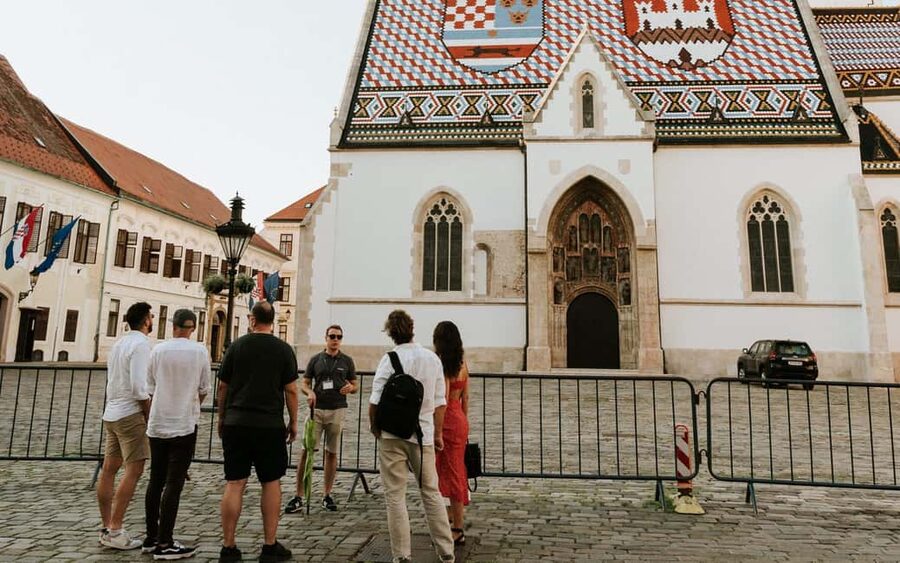
The walk climbs toward St. Mark’s Square in Gradec, the historic upper town. The square shares its name with St. Mark’s Church and is also home to the Croatian Parliament.
This section is where the walking component becomes more demanding. Zagreb’s upper town includes uneven paving, slopes, and stairs. The views and old streets reward the effort, but you should not treat this as a flat city stroll.
You also pass a major old defense tower, one of the last remaining pieces of Zagreb’s historic fortifications. The itinerary identifies it as a symbol of the city and a reminder of the former defensive line around Gradec.
The route then heads toward the Uspinjača area. Zagreb’s funicular is famous for having one of the world’s shortest rides. The stairs beside it mark an early form of public transportation in Zagreb and offer another small but memorable city detail.
You do not book this tour for grand museum interiors. You book it for the way food, streets, political landmarks, religious sites, and old defenses fit together in one walk.
Strossmayer Promenade and the Main Course

The path leads to Strossmayer Promenade, where you get some of the best panoramic views over Zagreb. This is a natural pause in the tour. Take your photos here, but also listen to the guide’s explanation of how the upper town relates to the modern city below.
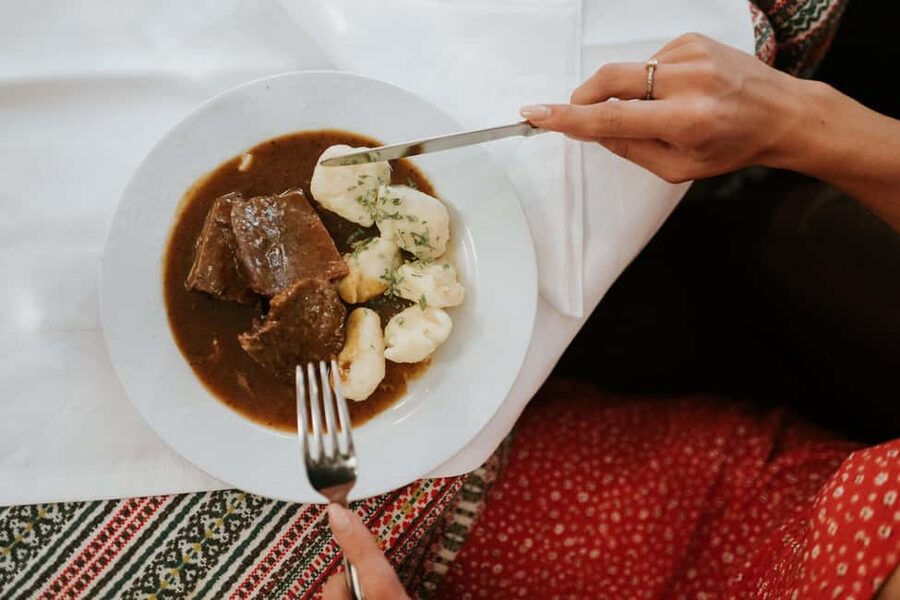
The third restaurant is at Mesnička 6. Here you receive a main course associated with Zagreb and the Zagorje region. Zagorje is the hilly area north of Zagreb, and its food traditions form an important part of the city’s culinary story.
Some participants particularly enjoyed stuffed peppers, while others singled out štrukli elsewhere in the meal. Štrukli is a traditional pastry-style dish associated with northern Croatia, though the exact course served on a particular departure can differ.
The restaurant may also contain historical replicas and old photographs, giving the meal an extra visual link to Zagreb’s past. You spend about 40 minutes here.
This is the course most likely to turn the tour into dinner. If you prefer a tasting route with small portions, this experience may feel too heavy. If you want to try classic food without planning several restaurant reservations, the generous serving style is a real benefit.
Tunnel Grič and the Story Behind Bloody Bridge
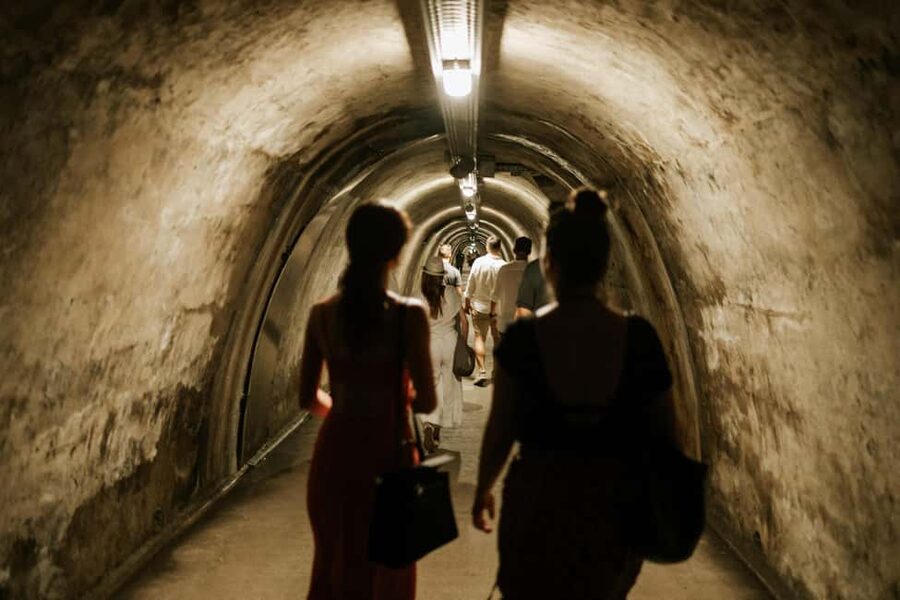
After the main course, the route passes through Tunnel Grič. Built during World War II, the tunnel was first used as a bomb shelter and later became a pedestrian passage and promenade. It includes a central hall and two passageways.
This stop adds a modern wartime layer to the older city. Zagreb’s story is not limited to medieval gates and Gothic churches. The tunnel shows how the same central area was adapted during a very different period.
The final walk passes along Bloody Bridge, a narrow street with an unusually dramatic name. The name recalls repeated conflicts between Kaptol and Gradec before they became part of a unified Zagreb.
It is a fitting link between the two old urban centers you have been crossing all afternoon. The street is small, but its name opens the door to the rivalry that shaped Zagreb’s early development.
Dessert, Regional Wine, and the End of the Tour
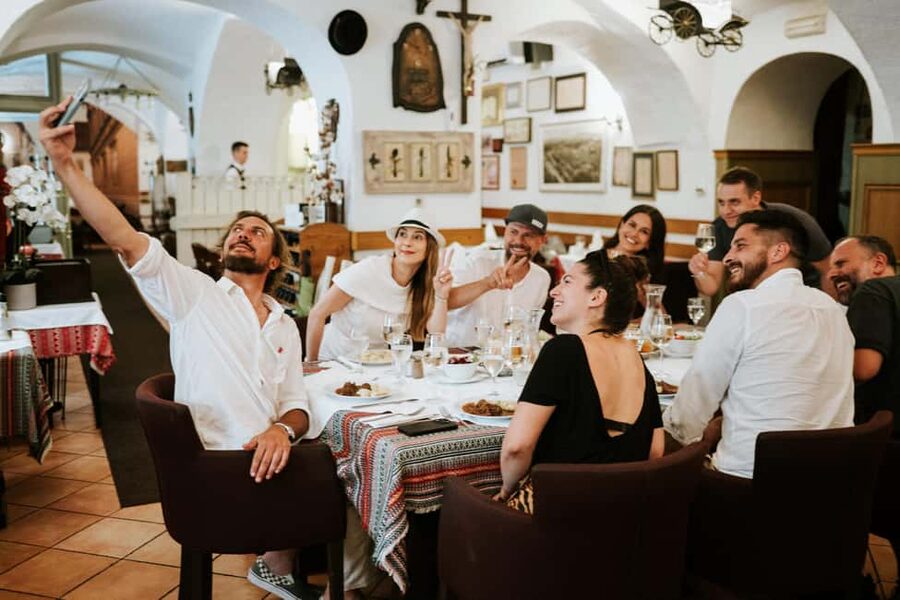
The final restaurant is at Skalinska 5, where dessert is kept as a surprise. You also taste several regional wines selected for dessert.
A surprise course adds a little fun, but it also means you cannot plan around a particular sweet. The tour ends at this restaurant on Ul. Ivana Tkalčića 16, rather than returning you to Ban Jelačić Square.
That end point is convenient for continuing an evening in central Zagreb, though you should note the exact address. The listed meeting point and final restaurant are different places.
The food and drink schedule is one of the most praised features. The experience includes several Croatian dishes, several wines, and one rakija tasting. The portions are often described as generous, so pace yourself from the first stop.
Is $107.68 a Fair Price?
At $107.68 per person, this is not a budget walking tour. The price includes the professional guide, four restaurant visits, food, several Croatian wines, and one rakija. It also covers a large amount of sightseeing in a short afternoon.
I think the value depends on what you would otherwise spend. If you would independently pay for a full meal, multiple wine pours, and a guided introduction to Zagreb, the package can make sense. The tour also removes the work of choosing restaurants and ordering unfamiliar regional dishes.
The price feels less convincing if you mainly want a quick sample of Croatian food. A few participants felt the food and wine quality did not fully match the cost, especially when later wines were less appealing than the first. That criticism is worth taking seriously because wine taste varies widely.
The guide can make or break the value. Damjan and Damian are often praised for humor, warmth, and strong knowledge of Zagreb and Croatian food. Ivan is described as kind, funny, and well informed, while Patrik received praise for pre-ordering dishes and explaining the city’s culture. One account also describes Marin as enthusiastic and engaging.
There was one serious service failure involving a booking-system error and a guide who did not arrive. The company refunded that booking and apologized. It appears to be an exception among the large number of positive ratings, but it is still a useful reminder to keep your booking confirmation and check the meeting details.
What to Expect on the Walk
The maximum group size is 15 people, which is small enough for questions and easier movement through narrow streets. It is not a private tour, so restaurant timing and group pace still matter.
Wear comfortable shoes and clothing. The route includes old paving, hills, stairs, and the upper town. Most people can participate, and service animals are allowed, but the tour is not designed as an easy-access route.
The experience is offered in English and includes a mobile ticket. Hotel pickup and drop-off are not included, so you need to reach Ban Jelačić Square on your own.
The tour is scheduled to run in all weather conditions, but the cancellation terms also allow a date change or refund if poor weather forces cancellation. That sounds contradictory, so check the day’s status if the forecast is bad.
Vegetarians can request a menu. There is no gluten-free menu, and the tour is not recommended for vegans. Minimum numbers apply, with at least two participants required for the tour to operate.
Who Should Book This Zagreb Food Tour?
I would choose this tour if you have only one day in Zagreb and want food plus a broad first look at the city. It gives you the main central landmarks without separating sightseeing from meals.
It also suits anyone who enjoys regional food but does not want to guess what to order. You receive dishes linked to Istria, Zagreb, and Zagorje, with the guide explaining the connection.
I would be more cautious if you have strict dietary needs, dislike wine, want a very light meal, or have trouble with hills and stairs. You can tell the guide if you do not drink wine, but the included alcohol is a central part of the experience.
The tour is also a good first activity rather than a final-hour obligation. Several participants wished they had taken it earlier, since the guides offered restaurant and city suggestions for the rest of their stay.
Should You Book It?
Book it if you want a filling introduction to Zagreb that mixes local dishes, Croatian wine, rakija, and the old town’s key sights. The guide quality is the biggest reason to choose it, and Damjan, Damian, Ivan, Patrik, and Marin have all been praised for making the history enjoyable rather than stiff.
Skip it if $107.68 feels high for a meal, if you need gluten-free or vegan food, or if you prefer choosing each restaurant yourself. For everyone else, the combination of four food stops, central landmarks, and a small group makes this a strong way to get your bearings in Zagreb, provided you arrive hungry and ready for hills.
FAQ
Where does the Zagreb food tour start?
The tour starts at Ban Jelačić Square, also called Trg J. Jelačića, in central Zagreb.
What time does the tour begin?
The scheduled start time is 4:00 p.m.
Where does the tour end?
It ends at the final restaurant on Ul. Ivana Tkalčića 16 in Zagreb.
How long does the experience last?
The tour lasts approximately three to four hours.
What food and drinks are included?
The experience includes several Croatian dishes, several Croatian wines, and one tasting of rakija, a Croatian brandy. The four food stops include a cold Istrian appetizer, warm Zagreb-area appetizers, a regional main course, and a dessert.
Can vegetarians join the tour?
Yes. A vegetarian menu is available on request. There is no gluten-free menu, and the tour is not recommended for vegans.
Is the tour suitable for people with limited mobility?
Most people can participate, but the route includes cobblestone streets, hills, stairs, and the upper town. Comfortable shoes are required, and the tour is not described as a flat or fully accessible route.
More Old Town Walks
- Dubrovnik: Old Town Walking Tour
★ 4.8 · 5,174 reviews - Split: Old Town and Diocletian Palace Walking Tour
★ 4.9 · 4,727 reviews - Dubrovnik Discovery Old Town Walking Tour
★ 5.0 · 4,458 reviews - Dubrovnik Old Town History Walking Tour
★ 5.0 · 1,684 reviews
Just added around Zagreb
- Zagreb: VR 3D Immersive Film Experience – Voucher★ 4.6 · 9 reviews
- Zagreb GRAND Private Walking Tour★ 4.5 · 9 reviews
- Zagreb: Explore with an Art Historian – Private Walking Tour★ 4.9 · 9 reviews
- Croatian cuisine cooking class with Dolac market tour★ 5.0 · 9 reviews
- From Zagreb: Plitvice Lakes & Rastoke Private Tour★ 5.0 · 9 reviews
- Private Guided Tour of Ljubljana and Lake Bled from Zagreb★ 5.0 · 9 reviews
- Picturesque Samobor & Samobor Castle Half-day Tour★ 4.5 · 9 reviews
- Zagreb to Split Private Transfer via Plitvice Lakes National Park★ 5.0 · 9 reviews
City Walls & Old Town Tours, compared.





City Walls Early Morning or Sunset Walking Tour
Read our review →
Plitvice Lakes with Boat Ride and Zadar Old Town Tour
Read our review →
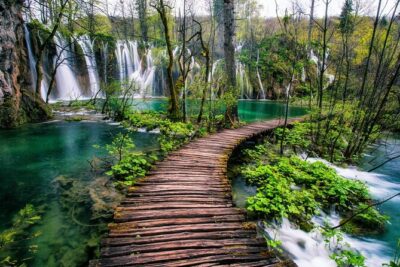
Plitvice Lakes with Boat Ride & Zadar Old town tour
Read our review →Browse the lists this tour appears in