
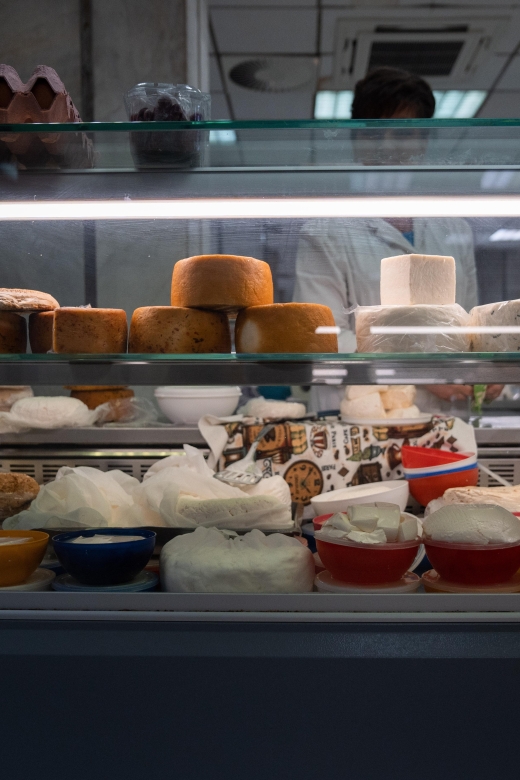
Reviewed · FOOD & DRINK
Zagreb: Food Tour with Tastings
Come hungry, leave happily full. This 210-minute Zagreb food tour brings you from Ban Josip Jelačić Square to Dolac Market and several local food stops, using Croatian dishes to explain the city’s customs, regional traditions, and past. It is part walking tour, part brunch, and part cultural lesson.
I like the way the experience mixes familiar market foods with specialties from across Croatia. I also like that guides such as Ivana, Ena, Darko, Diana, Kristina, and Tonka adjust the conversation and tastings around your interests. The main caution is simple: the portions can be large, so an early tour may replace breakfast rather than supplement it.
In This Review
- Key things to know before booking
- Why this Zagreb food tour works so well
- Meeting at Ban Josip Jelačić Square
- Dolac Market: where Zagreb shops for food
- Regional Croatian food beyond Zagreb
- The aperitif adds a local social touch
- Štrukli and Zagreb’s sweet finish
- How much food do you really get?
- Personal attention, allergies, and vegetarian needs
- Walking, timing, and group atmosphere
- Who will enjoy this experience most?
- My final call: book it if you want a meal with a story
- FAQ
- Where does the Zagreb food tour meet?
- How long does the tour last?
- What food will I taste?
- Is breakfast included?
- Are drinks included?
- Can dietary requirements be accommodated?
- What should I bring to the tour?
Key things to know before booking
- Dolac Market is the heart of the tour: You visit Zagreb’s biggest and oldest green market, where fresh ingredients connect daily life with Croatian cooking.
- This is a full meal, not just a nibble: Expect generous servings of burek, meat dishes, regional products, desserts, and drinks.
- Five food stops add variety: The tasting route includes market food, restaurants or shops, regional specialties, an aperitif, and dessert.
- Croatia’s regions appear on one plate: Dalmatian pršut, Istrian olives, Zagreb specialties, and other local foods show how varied Croatian cooking can be.
- The guide makes the difference: The strongest part of the experience is the personal explanation of food, history, architecture, customs, and modern Croatian life.
- Bring comfortable shoes and no large bag: Pets and luggage are not allowed, and the market is easier to handle with your hands free.
Why this Zagreb food tour works so well
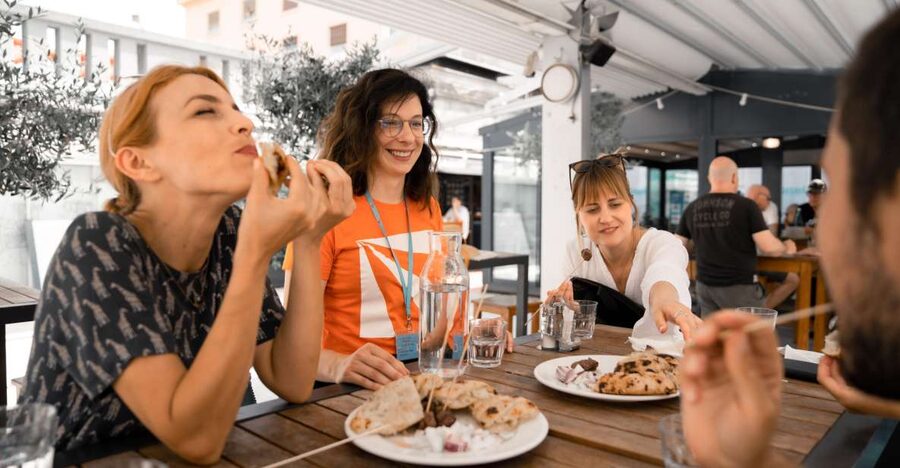
Zagreb food can be easy to overlook if you only eat in the main square or follow a standard sightseeing route. Croatian cooking draws from Central European, Balkan, Mediterranean, and regional traditions, and this tour gives you a practical way to sort through those influences.
You do not simply receive a plate and a dish name. Your guide explains where the food comes from, how people in Zagreb eat it, and how regional products fit into Croatian life. That makes the tastings more useful than a meal at a restaurant alone.
The tour also gives you an early introduction to central Zagreb. You begin at Ban Josip Jelačić Square, walk to Dolac Market, and return to the square for dessert. If you schedule it near the start of your stay, the guide can point you toward food shops, places to visit, and local products worth seeking out later.
The activity has earned a 4.9 rating from 153 reviews, and the praise is unusually consistent. The most repeated strengths are the guides’ warmth, the large amount of food, and the blend of food with Croatian history. That combination is the real value here.
More Food Tours in Zagreb
- Taste Zagreb Food Tour
★ 5.0 · 256 reviews - Zagreb: Restaurants, Food & Old Town Walking Tour
★ 5.0 · 191 reviews - Zagreb: Restaurants, Food & Old Town Walking Tour
★ 4.7 · 170 reviews
Meeting at Ban Josip Jelačić Square
The meeting point is easy to find: stand in front of the horse statue at the center of Ban Josip Jelačić Square and look for the guide with an orange umbrella. This is a practical arrangement in a busy central space, but arrive with enough time to locate the statue and guide without rushing.
The square is a good starting point because it introduces Zagreb’s public face before the tour moves into its food center. Guides have used the opening to explain local customs, architecture, and pieces of Zagreb’s past. Darko, for example, was praised for moving beyond food into language, politics, the change to the euro, and the cost of living. That wider conversation gives the tour more substance.
Your guide may be Ivana, Ena, Darko, Diana, Tonka, Kristina, Katarina, Eva, Ana, or another member of the Free Spirit Tours team. The exact personality will vary, but the strongest accounts describe guides who answer questions, notice personal preferences, and keep the pace relaxed.
Dolac Market: where Zagreb shops for food
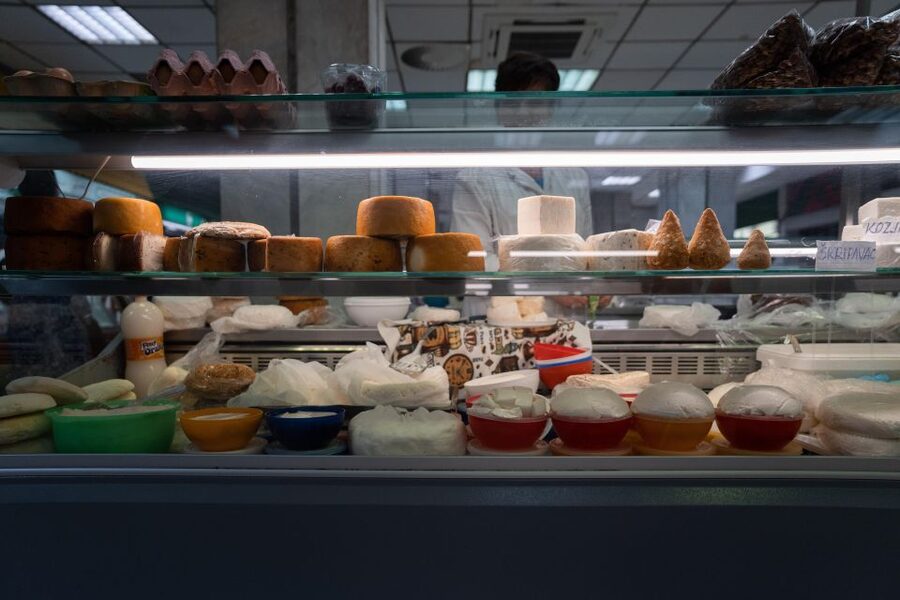
The central stop is Dolac Market, Zagreb’s largest and oldest green market. This is where the tour feels most connected to everyday city life. Instead of treating the market as scenery, your guide uses its produce and food stalls to explain what people buy, cook, and serve.
The market portion is listed as about two and a half hours, though that time includes the main tasting route. You will sample fresh local ingredients and traditional foods while moving through central Zagreb. It is a useful place to learn the difference between food made for a quick breakfast, food shared at home, and products bought for a special occasion.
One highlight is sir i vrhnje, a simple combination of cottage cheese and sour cream. It is not flashy food, and that is precisely why it matters. The dish shows how a few fresh ingredients can form a familiar part of local eating.
You may also try burek, a crisp, layered pastry filled with meat or another savory mixture. Several people especially enjoyed this stop, and one person liked it enough to return for more later. Burek is filling, so treat it as a serious part of the meal rather than a small pastry sample.
The route also includes local meat dishes such as kobasice i ćevapi. Sausages and ćevapi offer a taste of the Balkan side of Croatian food, with hearty seasoning and a more substantial texture than the market’s dairy or pastry offerings.
The market is also the best place to ask your guide about ingredients you see but do not recognize. You may find products to buy for a picnic or to take home, but remember that additional food and drinks are not included. A small shopping bag can be useful, though large bags and luggage are not allowed on the tour.
Regional Croatian food beyond Zagreb
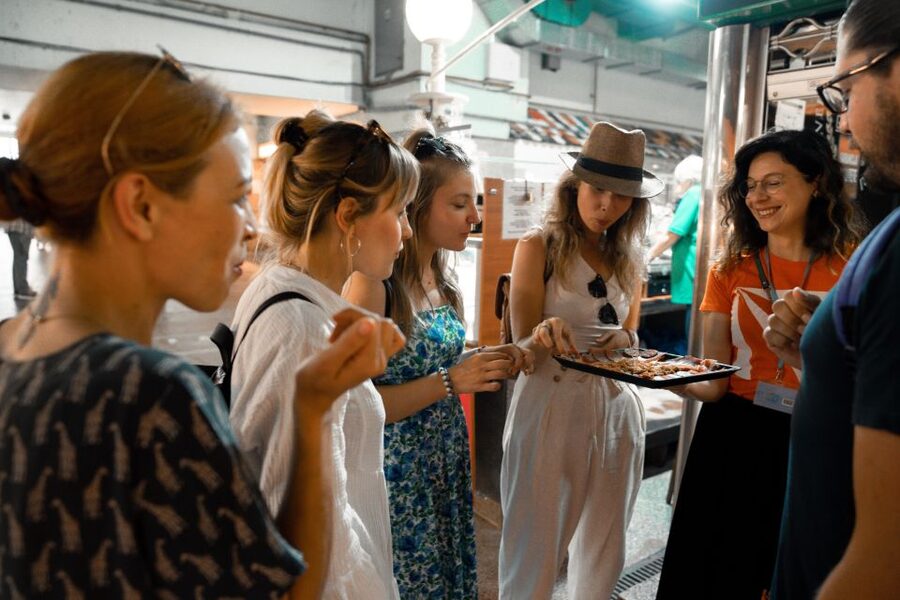
The experience does not limit itself to Zagreb dishes. It includes products from other parts of Croatia, helping you understand that the country has several distinct food traditions.
Dalmatian pršut brings a cured-meat specialty from the Adriatic region. Istrian olives represent the northwestern peninsula, where Mediterranean ingredients play a major role. These tastings give the tour a wider purpose: you are sampling Croatia, not only the capital.
That regional angle is valuable if Zagreb is your first stop in the country. You get a preview of foods you may encounter later in Dalmatia or Istria, and you can ask your guide how preparation and local habits differ from one region to another.
I especially like this structure because it avoids presenting Croatian cuisine as one single style. The country’s food reflects geography and history. Inland Zagreb leans toward hearty Central European and Balkan dishes, while coastal regions bring more olive oil, cured seafood, and Mediterranean influence. The tour gives you a taste of those contrasts without requiring a separate trip to each region.
Something different for another day:
- From Zagreb: Plitvice & Rastoke Guided Day Trip with Ticket
★ 4.9 · 2,955 reviews - Zagreb: Rastoke & Plitvice Lakes Guided Tour with Ticket
★ 4.9 · 1,897 reviews - Communism & Croatian Homeland War Tour
★ 5.0 · 1,355 reviews - Best of Zagreb with the WW2 Tunnels
★ 5.0 · 973 reviews
The aperitif adds a local social touch
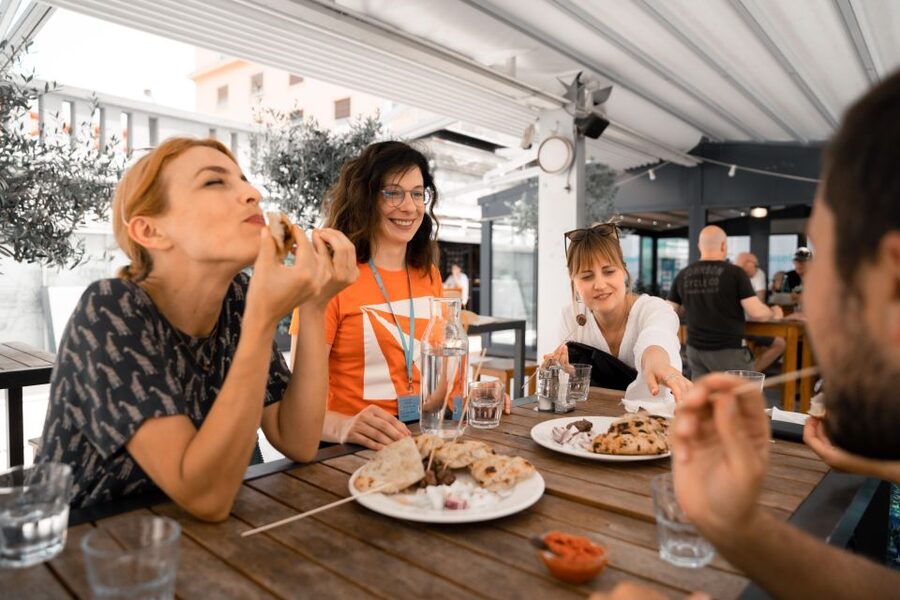
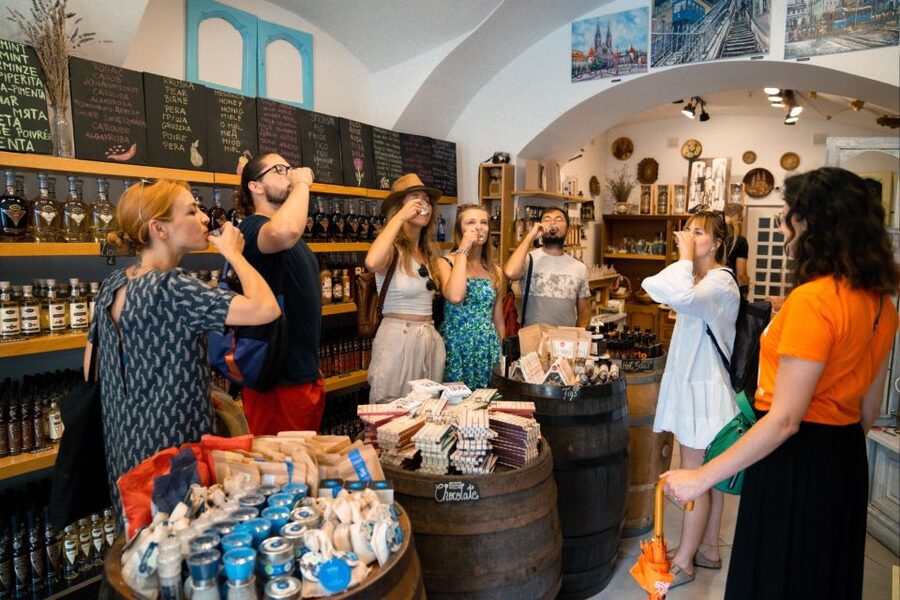
A 15-minute aperitif stop breaks up the food and adds a glimpse of how drinks fit into social life. Some people enjoyed trying local shots as part of the experience. Since extra drinks are not included, ask your guide what is covered before ordering anything beyond the planned tasting.
This part may appeal most to adults who enjoy trying regional drinks and asking questions about local habits. If you do not drink alcohol, contact the supplier ahead of time so your needs can be discussed. The supplied information confirms that special food requirements should be arranged in advance, but it does not promise a particular substitute drink.
The aperitif is also a useful pause for conversation. Guides have been praised for making the tour feel personal, especially when the group is small. Do not expect a silent march from stop to stop. The social side is part of the appeal.
Štrukli and Zagreb’s sweet finish
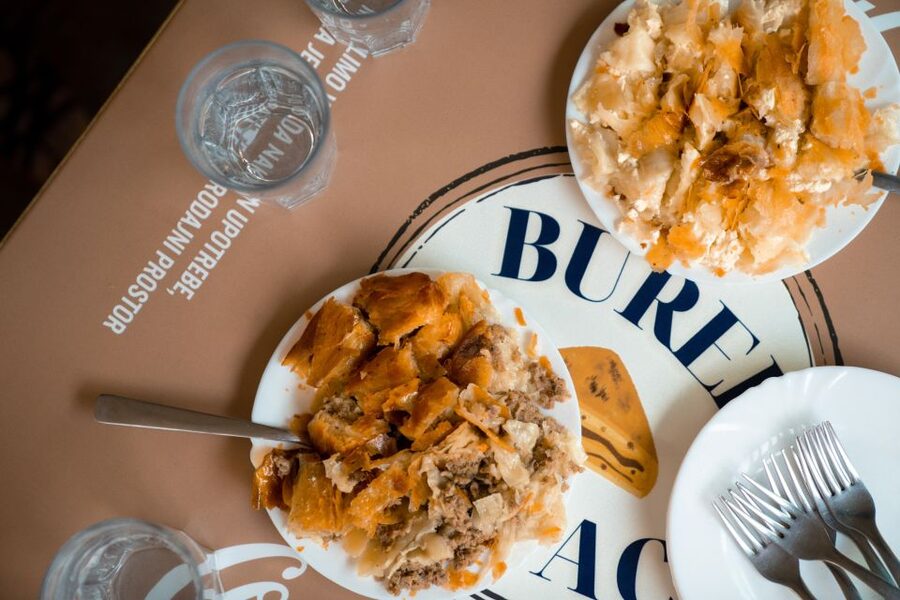
The dessert stop returns you to Ban Josip Jelačić Square and lasts about 15 minutes. The star is štrukli, an unusual Croatian dessert that is best served warm.
Štrukli is a good example of why this tour is more useful than a generic tasting walk. It may not look like the kind of dessert you would choose from a familiar menu, and the warm preparation makes it especially worth trying on the spot. Your guide can explain where it fits in Croatian cooking and why it is associated with the country’s northern traditions.
The tour also introduces Zagreb’s relationship with chocolate. The city has its own chocolate factory, so this final section gives you a modern local note alongside the older market foods and regional recipes.
One practical point: save room. The dessert arrives after several generous savory tastings, and many people underestimate how filling burek, meat, dairy, and regional products can be. If you normally eat breakfast, keep it very light on the morning of the tour.
How much food do you really get?
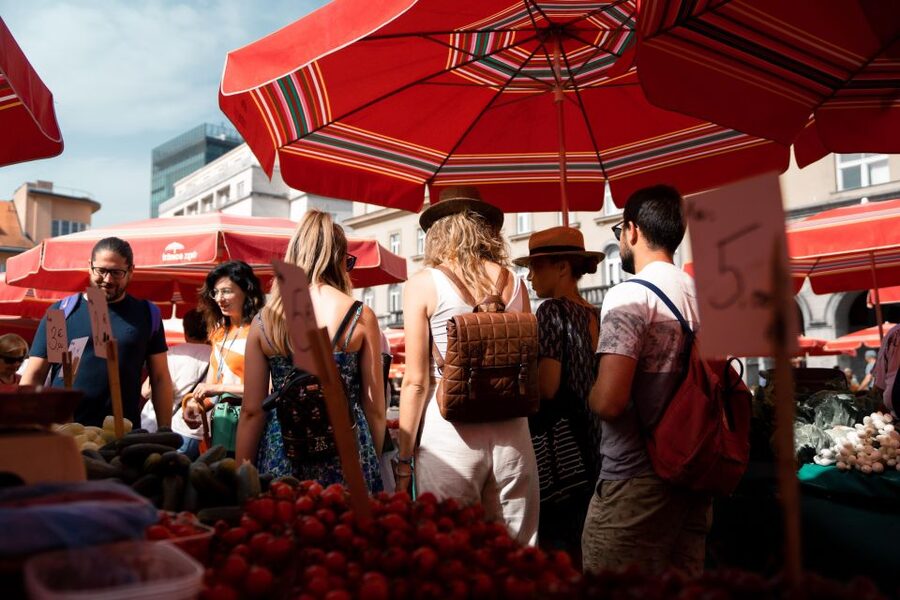
The clearest practical lesson is to treat this as a brunch-sized experience. Several people specifically advised skipping breakfast, and one person who ate beforehand wished the tour had started later because the portions were larger than expected.
The exact amount may depend on the day, the group, and your guide, but the pattern is clear: you are not receiving five tiny samples and then hunting for lunch. The food is substantial enough to carry you through much of the day.
That makes the $104 price easier to assess. It is not a cheap market stroll, but the cost covers a certified local guide, five food spots, and a large amount of tasting food over three and a half hours. You are also paying for the interpretation: the explanations of ingredients, customs, Croatian regions, and Zagreb’s past.
The value is strongest if you would otherwise book a separate walking tour and a meal. It is less attractive if you mainly want a few quick bites or already have a carefully planned food itinerary. For most first-time visitors, the combination of meal and orientation makes the price reasonable, especially if you use the guide’s advice for the rest of your stay.
Personal attention, allergies, and vegetarian needs
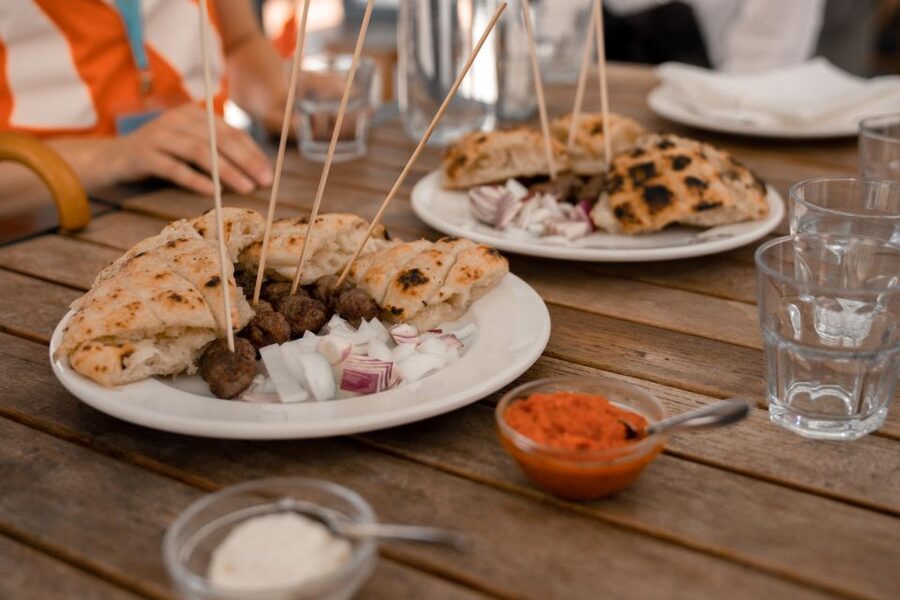
This tour has a good record of adapting to dietary needs, but you must contact the local supplier in advance. Guides have adjusted tastings for allergies, vegetarian diets, and gluten intolerance when given notice.
One gluten-intolerant participant received gluten-free options where possible, along with a loaf of gluten-free bread. Another family had allergy-related adjustments made during the tour. A vegetarian participant found suitable choices at almost every stop, though not at all of them.
That last point matters. Do not assume every tasting can be replaced with an equal alternative. The tour is built around traditional dishes, some of which rely on pastry, dairy, or meat. Advance notice gives the supplier time to prepare, but you should still ask what can be accommodated before booking.
The guides’ attitude is a strong part of the experience. Ivana, Ena, Kristina, and others were praised for asking about preferences and reshaping the tastings around the people in front of them. In a small group, that can make the tour feel more like a personal introduction than a fixed script.
Walking, timing, and group atmosphere
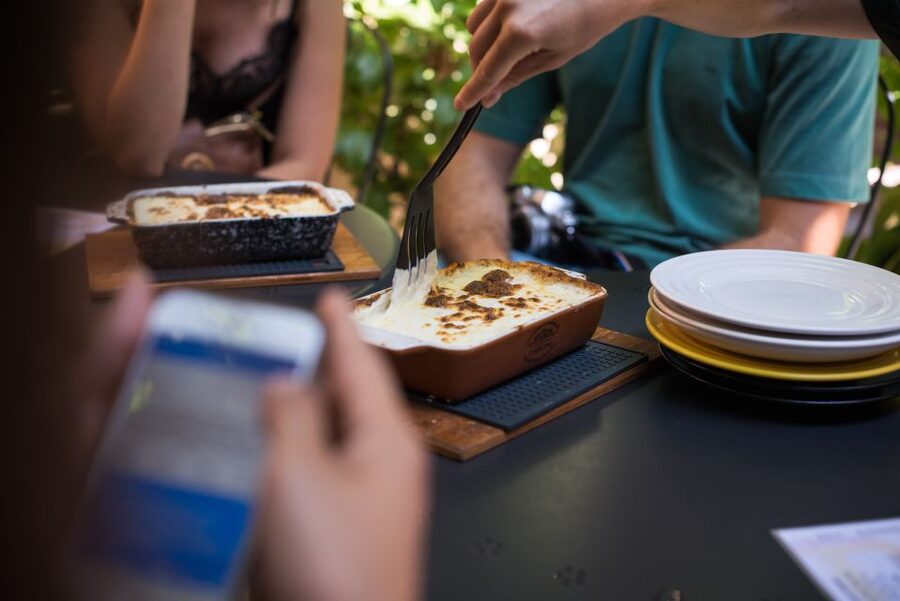
The tour lasts 210 minutes, or three and a half hours. The stated route is concentrated around the main square and Dolac Market, so this is not an exhausting city walk. Still, you will be on your feet around market stalls and food stops, making comfortable shoes a must.
The timing matters. A morning departure can function as breakfast and lunch, but you should arrive hungry. A later start around 1 p.m. or 2 p.m. may suit you better if you prefer a normal breakfast, though starting times depend on availability.
Group size can vary. Some experiences have been especially personal with only two people or a small group of four. A larger group may feel less tailored, but the central route and food-focused format should still keep the experience social.
Do not bring pets, luggage, or large bags. This is worth planning around if you are arriving in Zagreb with suitcases. Leave your bags at your accommodation or use another secure option before meeting the guide.
The tour is conducted in English with a live guide. Free cancellation is available up to 24 hours before the start for a full refund, and you can reserve now and pay later. Those policies are useful if your Zagreb plans are still moving around.
Who will enjoy this experience most?
I would recommend this tour to first-time visitors who want an easy introduction to Zagreb’s food culture. It also suits anyone who likes learning the story behind a dish instead of simply taking a photograph and moving on.
It is a particularly good choice for:
- Couples who want a relaxed shared meal with local context
- Families who need help finding familiar and unfamiliar foods
- Solo visitors who enjoy conversation with a guide and small group
- History fans who want food tied to Croatian events and customs
- People visiting Zagreb for only one full day
- Anyone unsure how Croatian cuisine differs from neighboring food traditions
You may want another kind of activity if you prefer delicate tasting menus, a short snack stop, or a strictly scheduled sightseeing tour. This experience is social, generous, and conversational. It can also be too much food if you have a small appetite.
My final call: book it if you want a meal with a story
I would book the Zagreb Food Tour with Tastings, especially near the beginning of a Zagreb visit. Dolac Market gives you a useful sense of the city, the food covers several Croatian regions, and the guides add the context that turns a meal into a cultural introduction.
Plan to skip breakfast, wear comfortable shoes, and contact the supplier early about allergies or dietary restrictions. If you do that, the $104 fee buys more than food: it gives you a well-guided orientation to Zagreb, a list of dishes to seek out later, and a very full afternoon or morning.
FAQ
Where does the Zagreb food tour meet?
Meet in front of the horse statue at the center of Ban Josip Jelačić Square. Your guide will carry an orange umbrella.
How long does the tour last?
The tour lasts 210 minutes, or three and a half hours.
What food will I taste?
The tastings can include sir i vrhnje, burek, kobasice i ćevapi, warm štrukli, chocolate, Dalmatian pršut, Istrian olives, and other traditional Croatian dishes.
Is breakfast included?
The tour includes food tastings, and the portions can be large enough to replace breakfast. It is best to arrive hungry, especially for a morning departure.
Are drinks included?
An aperitif is part of the experience, but additional food and drinks are not included.
Can dietary requirements be accommodated?
Contact the local supplier in advance about vegetarian needs, allergies, gluten intolerance, or other special requirements. Adjustments have been made for several dietary needs, but not every tasting can necessarily be replaced.
What should I bring to the tour?
Wear comfortable shoes. Pets, luggage, and large bags are not allowed.
Just added around Zagreb
- Zagreb: VR 3D Immersive Film Experience – Voucher★ 4.6 · 9 reviews
- Zagreb GRAND Private Walking Tour★ 4.5 · 9 reviews
- Zagreb: Explore with an Art Historian – Private Walking Tour★ 4.9 · 9 reviews
- From Zagreb: Plitvice Lakes & Rastoke Private Tour★ 5.0 · 9 reviews
- Croatian cuisine cooking class with Dolac market tour★ 5.0 · 9 reviews
- Private Guided Tour of Ljubljana and Lake Bled from Zagreb★ 5.0 · 9 reviews
- Picturesque Samobor & Samobor Castle Half-day Tour★ 4.5 · 9 reviews
- Zagreb to Split Private Transfer via Plitvice Lakes National Park★ 5.0 · 9 reviews
Food & Drink, compared.

Blue Lagoon and 3 Island Cruise with Food and Drinks
Read our review →
Krka National Park Tour with tour Guide & Wine tasting from Split & Trogir
Read our review →

Full-Day Catamaran Cruise to Hvar & Pakleni Islands with Food and free Drinks
Read our review →
Dubrovnik Food and Drink Walking Tour with a Local Guide
Read our review →
Dubrovnik Guided Group Tour with Ston Oyster tasting from Split & Trogir
Read our review →Browse the lists this tour appears in