
Reviewed · MUSEUMS
Zagreb: Chocolate Museum Entry Ticket
Chocolate makes a fine city break. At Zagreb’s Chocolate Museum, you trace cocoa from ancient South and Mesoamerica to modern candy, with nine samples along the way. I like the hands-on Aztec-style cocoa grinding, and I like that the displays work in both Croatian and English. The main drawback is scale: if you rush through, the museum may feel light for the $16 admission.
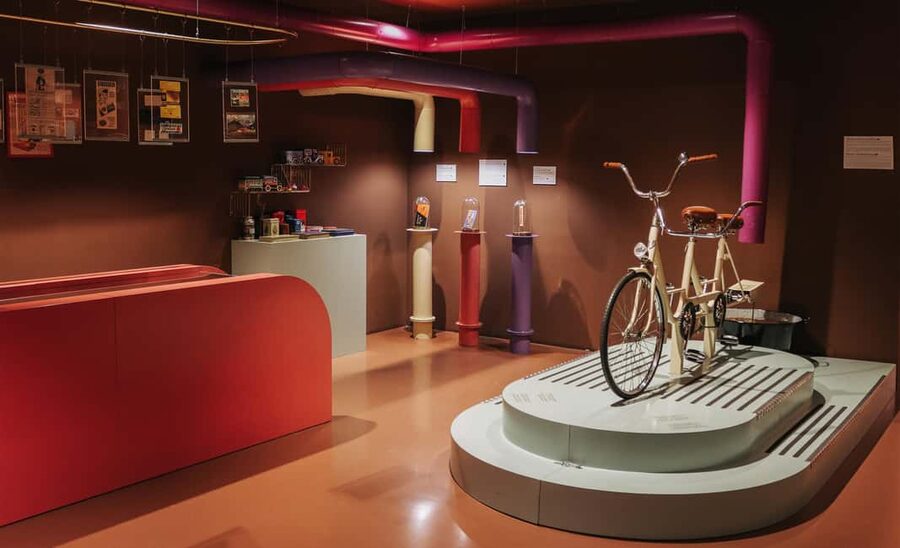
I also appreciate the playful rooms, from a mystical rainforest to a baroque royal court and a Willy Wonka-style factory. They give you fun photo stops, especially with children or friends. Plan on 45 minutes to one hour if you read the displays and try the activities, though a quick visit can be shorter.
In This Review
- Key points to know before you go
- Finding the museum on Gundulićeva Street
- A short tour with a long chocolate story
- From cocoa bean to finished chocolate
- Nine samples that shape the visit
- Three photo settings with different moods
- What the $16 ticket really buys you
- The Chocolate Boutique is worth a separate look
- Guided tours, language, and access
- The best way to plan your visit
- Who should book the Chocolate Museum Zagreb?
- FAQ
- Where is the Chocolate Museum Zagreb located?
- How much does admission cost?
- How long does a visit usually take?
- Are chocolate tastings included?
- Are guided tours included with basic admission?
- Are the exhibits available in English?
- Can I grind cocoa beans at the museum?
- Can I visit the Chocolate Boutique without buying a museum ticket?
- Is the museum wheelchair accessible?
- What is the cancellation policy?
Key points to know before you go
- Nine chocolate samples are included: The tasting box gives you several types to try as you move through the museum.
- The story begins in ancient Mesoamerica: You learn how indigenous peoples used cocoa long before modern chocolate bars.
- Interactive exhibits make the history tangible: Grind cocoa beans on a metate or prepare a foamy chocolate drink in the Maya style.
- The themed rooms are made for photos: Look for the rainforest, baroque court, and magical chocolate factory settings.
- The $16 ticket covers a compact visit: It offers good value for chocolate fans, families, and a rainy afternoon, but less for anyone seeking a large museum.
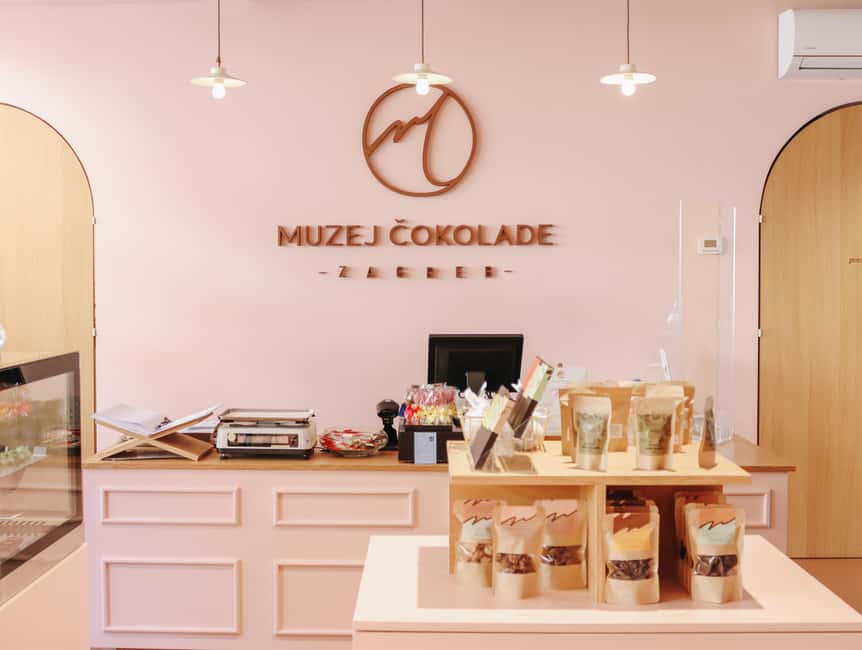
- The Chocolate Boutique does not require admission: You can browse Croatian artisan chocolates and pralines even if you skip the museum.
Finding the museum on Gundulićeva Street
The Chocolate Museum Zagreb is in the building with the glass facade in the atrium at Gundulićeva 26. That location matters because you are visiting a compact city attraction, not a full-day excursion with transport or a guide included.
You should allow a little time to spot the entrance and get oriented in the atrium. The museum is in Zagreb County, and the central location makes it easy to fit into a day of city sightseeing, a café stop, or an afternoon indoors.
The ticket is valid for one day, with admission available during the operating times shown when you check availability. The last admission is one hour before closing, so do not arrive at the very end of the day. If your schedule is tight, check the current starting times before setting out.
Basic admission is $16 per person. That includes the museum, the nine-part tasting, themed photo settings, and interactive displays. It does not include a guided tour. English, German, and Croatian guided visits can be arranged for specific times directly with the museum, but you need to contact the museum separately.
More Museums in Zagreb
- Zagreb: Skip-the-Ticket-Line Museum of Broken Relationships
★ 4.5 · 847 reviews - Zagreb: Nikola Tesla Technical Museum Ticket
★ 4.5 · 520 reviews - Zagreb: Museum of Illusions Entrance Ticket
★ 4.0 · 261 reviews
A short tour with a long chocolate story
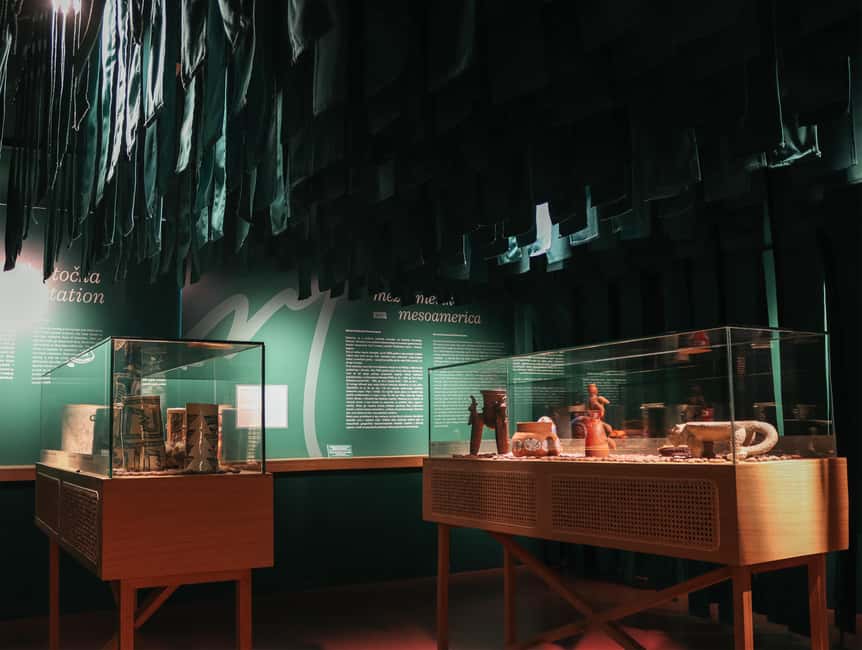
The museum’s central idea is simple: chocolate did not begin as the sweet bar you know today. The displays take you back to the indigenous peoples of South and Mesoamerica, where cocoa had an important place in food and drink.
I like this starting point because it gives the tasting more meaning. You are not simply moving from one confection to the next. You are seeing how cocoa changed across time, cultures, and methods of preparation.
The museum presents the story in Croatian and English, so you can follow the exhibits without arranging a tour. You can read at your own pace, which is useful for families or couples who do not want to move through a fixed group schedule.
The tradeoff is that the amount you get from the museum depends heavily on your pace. If you read every display and try the interactive elements, expect roughly 45 minutes to an hour. If you only glance at the panels and take the samples, you might finish sooner.
That makes this a flexible stop. I would not build an entire day around it, but I would gladly use it as a one-hour break between larger Zagreb sights.
From cocoa bean to finished chocolate
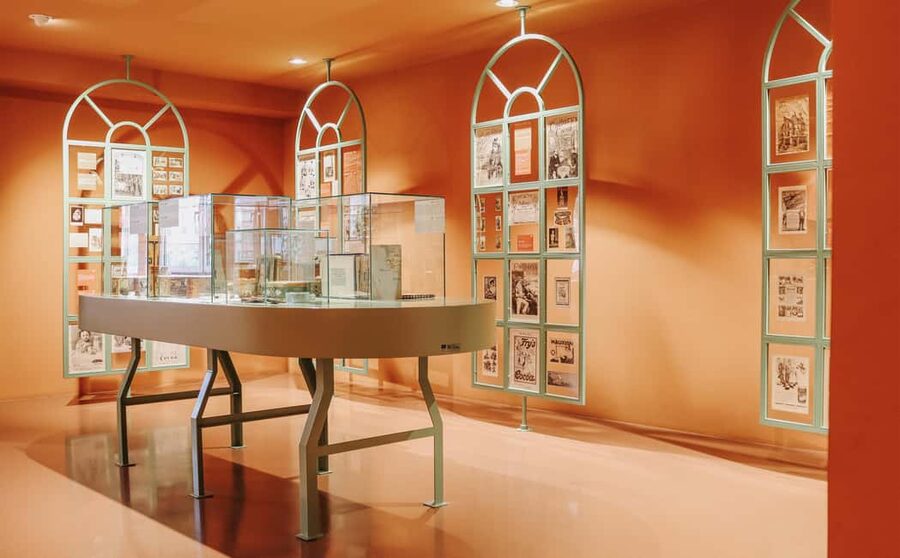
The production process is presented as part of the museum journey. You learn about cocoa and the steps that turn it into the chocolate people eat today.
One of the best parts is the chance to grind cocoa beans using a metate, following a method associated with the Aztecs. This is a small activity, but it changes the visit from a series of display panels into something you can physically try.
You can also learn how to make a foamy chocolate drink in the Maya style. That is a useful reminder that early cocoa drinks were not the same as modern hot chocolate. The preparation, texture, and role of cocoa changed over time.
These activities will not replace a factory tour. The supplied details do not indicate that you watch a large-scale production line or make a full batch of chocolate yourself. Instead, the museum gives you a simple, hands-on link to earlier cocoa traditions.
For children, that physical element may be the difference between paying attention and wandering toward the exit. Adults who enjoy food history should find the contrast between ancient preparation and modern chocolate just as interesting.
Nine samples that shape the visit
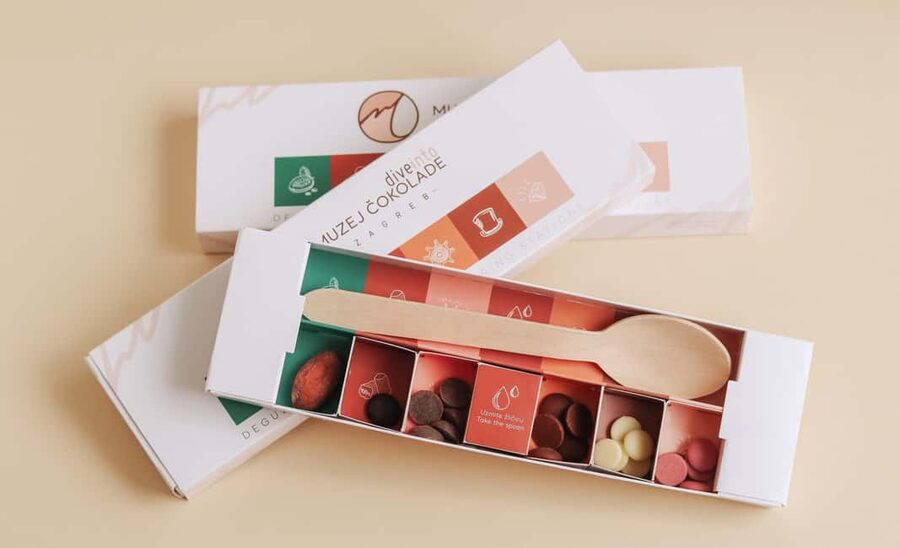
The tasting box includes nine different types of chocolate. This is one of the clearest reasons to choose the museum rather than simply buying a bar from a shop.
The samples let you compare flavors and styles as you move through the story. I recommend taking your time with them instead of eating the whole box at once. The tasting is part of the museum admission, so you do not need to budget extra for the samples.
The tasting also gives the visit a welcome rhythm. You read about cocoa, try an activity, then taste something connected to the subject. That breaks up the educational material and keeps the stop from feeling like a collection of text-heavy panels.
Still, keep your expectations sensible. Nine samples are enough for a pleasant introduction, not a full professional tasting course. The available information does not specify the exact varieties, serving order, or tasting notes, so you should treat this as a broad sampling rather than a formal lesson in chocolate evaluation.
The strongest part is the combination of facts and flavor. You leave with both a better idea of how chocolate developed and a clearer sense of how different chocolate can taste.
A few more tours and experiences worth a look
- Dubrovnik History, Sweets & Liquors in a Private Palace (PRIVATE)
★ 5.0 · 63 reviews - Lumbarda-Sunset Kayaking Experience with picnic: Wine and Sweets
★ 5.0 · 51 reviews - Lumbarda – Sunset Kayak Tour with a Picnic – Wine and Sweets
★ 5.0 · 45 reviews
Three photo settings with different moods
The museum includes several themed rooms designed for selfies and photos. You can pose in a mystical rainforest, a baroque royal court, or a magical chocolate factory inspired by the Willy Wonka idea.
These settings add a playful layer to the museum. The rainforest connects to cocoa’s origins, while the royal court and factory create a more theatrical mood. If you are visiting with friends, the photo stops may become part of the main appeal.
Families should find plenty to enjoy here, especially if children like colorful scenes and make-believe settings. Couples can also treat the museum as a light date activity. It is indoors, fairly short, and gives you something to talk about beyond the usual sightseeing checklist.
The photo areas are not the same as a major stage production or elaborate attraction. Their value comes from the atmosphere and the chance to create a few memorable images during a compact museum visit.
I would place the photo stops after the cocoa history in your expectations. The museum is not only a selfie venue, but the themed rooms help keep the visit cheerful and give the displays a stronger sense of place.
What the $16 ticket really buys you
At $16, this is not the cheapest quick attraction in Zagreb. The value depends on how much you use the ticket.
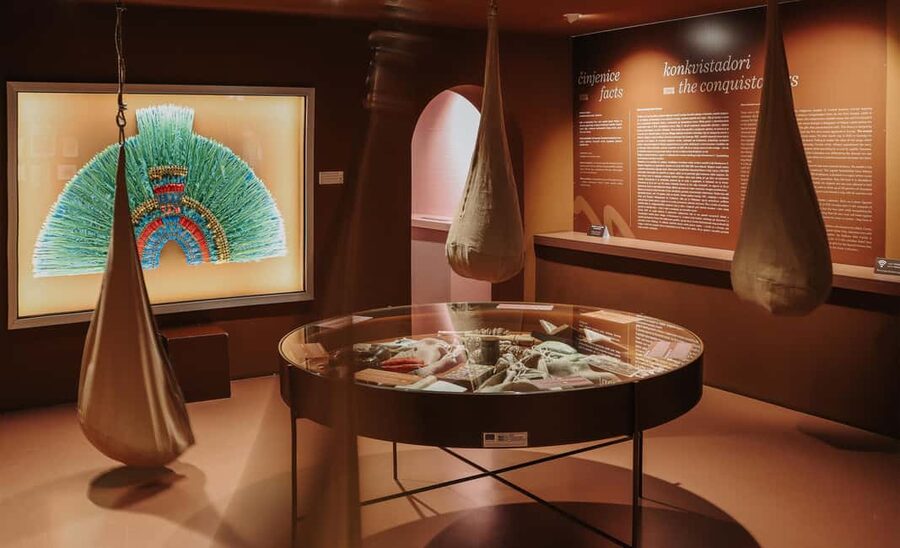
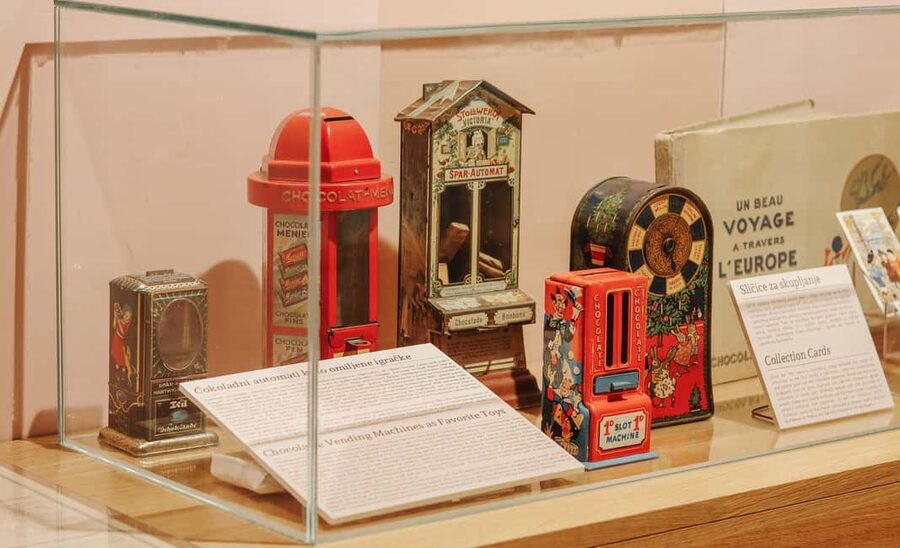
You are paying for several parts at once: the historical displays, the nine chocolate samples, the interactive cocoa activities, and access to the themed rooms. If you read the exhibits, take part in the activities, and enjoy the tasting, the price is easier to justify.
I find the ticket strongest for three groups:
- Chocolate fans who want more context than a shop provides
- Families looking for a manageable indoor activity
- Couples and friends who enjoy food, photos, and a relaxed shared stop
The value is weaker if you expect a large collection, a long guided program, or an extended factory visit. One visitor rated the attraction only three out of five and felt it did not offer enough for the price. That criticism is useful: the museum is compact, and it will not satisfy everyone who wants a major cultural attraction.
On the other hand, the overall rating is 4.5 from 72 reviews, and several strong reactions focus on the tasting and the chance to learn about chocolate across different periods. One German-speaking visitor specifically praised trying different chocolate flavors and cocoa beans, and felt the admission was worth the cost.
My advice is simple: book it when the tasting and the subject appeal to you. Skip it if you are counting on a large museum that fills half a day.
The Chocolate Boutique is worth a separate look
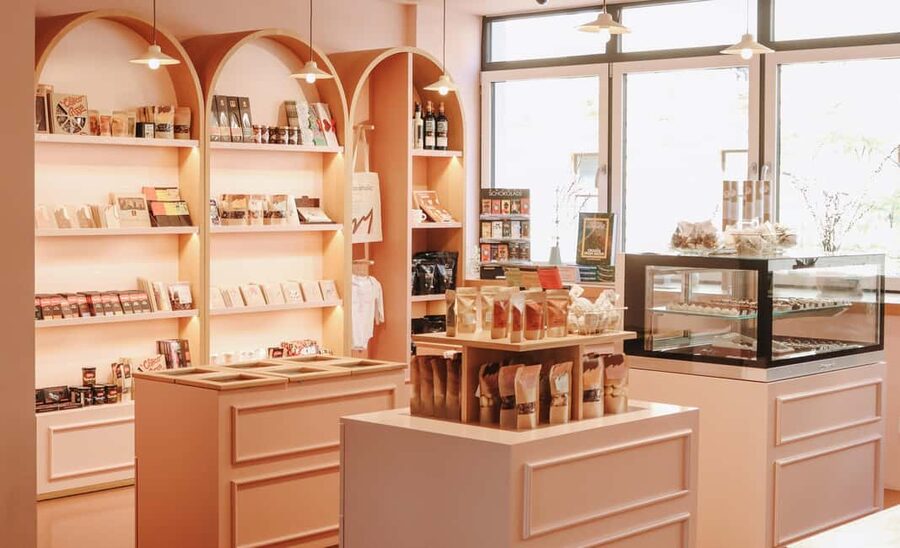
The Chocolate Boutique is the only chocolate boutique in the city described as offering this range of local artisan and craft chocolatiers. It sells Croatian artisan chocolates and pralines, and you can enter without buying museum admission.
That makes the boutique useful even if you are unsure about the ticket. You can browse the local chocolate selection, choose gifts, or pick up something for later without committing to the museum visit.
I would use the boutique as a practical add-on at the end of the museum. After learning about cocoa and tasting several types, you have a better basis for choosing what to buy. You may also want to take home Croatian-made pralines rather than a familiar international brand.
The available details do not say how many producers are represented, what the prices are, or whether tastings are available in the shop. I would therefore treat it as a place to browse and purchase, not assume it is another tasting stop.
Guided tours, language, and access
All museum exhibits are in Croatian and English. That makes the basic visit workable for English-speaking visitors who prefer to explore independently.
Guided tours are offered in Croatian, English, and German, but they are not part of the standard $16 ticket. Specific times must be arranged directly with the Chocolate Museum Zagreb. If you want a guide, contact the museum before arrival rather than assuming one will be available when you walk in.
A guided visit could make sense if you want more explanation about the ancient cocoa traditions, production methods, or the meaning of the objects on display. Basic admission is likely enough if you enjoy reading at your own speed and do not need extra commentary.
The museum is wheelchair accessible. That is important for anyone planning an indoor city stop with mobility needs, though you should still confirm current practical arrangements directly if you require particular assistance.
The best way to plan your visit
Give yourself at least 45 minutes if you want the museum to feel worthwhile. That allows time for the displays, tasting, photo settings, and interactive activities without treating every room like a race.
Arriving too close to closing is a mistake because last admission is one hour before the museum closes. Check the current availability and opening details on the day you plan to go.
For families, I would make the tasting and cocoa-grinding activities the anchors of the visit. Younger children may not read every historical panel, but they can still take part in the physical parts and enjoy the themed rooms.
For couples, the museum works best as a relaxed date rather than the main event of the day. Plan another Zagreb activity before or after it, then use the boutique for a small Croatian chocolate purchase.
For a rainy afternoon, the museum offers a useful change of pace. It is short enough that you will not feel trapped indoors for hours, yet varied enough to provide more than a simple shop visit.
Who should book the Chocolate Museum Zagreb?
I would book this experience if you enjoy chocolate, food traditions, and compact museums with playful touches. The nine samples are a real advantage, and the Aztec and Maya preparation activities give the visit more substance than a basic display of chocolate boxes.
I would also recommend it for families, friends, and couples who want an easy indoor activity with photos and snacks built in. English-speaking visitors can follow the exhibits without paying for a guide, while German and Croatian guided tours are available by prior arrangement.
I would think twice if you want a large museum, a long production tour, or a full-day attraction. The visit normally lasts 45 minutes to one hour, and the value depends on your willingness to read, taste, and take part.
At $16, it is a fair choice for the right audience, but not an automatic must-see for every Zagreb itinerary. Add it when chocolate is part of your travel plan, and pair it with the boutique for a more satisfying stop.
FAQ
Where is the Chocolate Museum Zagreb located?
It is at Gundulićeva 26, in the building with a glass facade in the atrium.
How much does admission cost?
Admission costs $16 per person.
How long does a visit usually take?
A typical visit takes between 45 minutes and one hour, depending on how much you read and how fully you use the interactive exhibits.
Are chocolate tastings included?
Yes. Admission includes a sample box with nine different types of chocolate.
Are guided tours included with basic admission?
No. Guided tours in Croatian, English, and German are arranged separately for specific times and are not included in basic admission.
Are the exhibits available in English?
Yes. All exhibits are presented in Croatian and English.
Can I grind cocoa beans at the museum?
Yes. An interactive exhibit lets you grind cocoa beans with a metate in the style associated with the Aztecs.
Can I visit the Chocolate Boutique without buying a museum ticket?
Yes. The boutique is accessible without museum admission.
Is the museum wheelchair accessible?
Yes. The Chocolate Museum Zagreb is wheelchair accessible.
What is the cancellation policy?
You can cancel up to 24 hours in advance for a full refund. You can also reserve now and pay later, subject to the booking terms.
Just added around Zagreb
- Zagreb: VR 3D Immersive Film Experience – Voucher★ 4.6 · 9 reviews
- Zagreb GRAND Private Walking Tour★ 4.5 · 9 reviews
- Zagreb: Explore with an Art Historian – Private Walking Tour★ 4.9 · 9 reviews
- From Zagreb: Plitvice Lakes & Rastoke Private Tour★ 5.0 · 9 reviews
- Croatian cuisine cooking class with Dolac market tour★ 5.0 · 9 reviews
- Private Guided Tour of Ljubljana and Lake Bled from Zagreb★ 5.0 · 9 reviews
- Picturesque Samobor & Samobor Castle Half-day Tour★ 4.5 · 9 reviews
- Zagreb to Split Private Transfer via Plitvice Lakes National Park★ 5.0 · 9 reviews
Museums, compared.

Blue Lagoon & Underwater Museum from Split with Lunch & Drinks
Read our review →
Skip-the-Ticket-Line Museum of Broken Relationships
Read our review →

PREMIUM Emperor’s Walking Tour for History Lovers + Museum
Read our review →
Klis Fortress GOT and Olive Museum Entry Tickets
Read our review →

Browse the lists this tour appears in