
Reviewed · OLIVE OIL TASTINGS
Pula: House of Istrian Olive Oil Museum and Guided Tasting
Oil has a story worth tasting. In central Pula, the House of Istrian Olive Oil turns a familiar kitchen staple into a clear, hands-on lesson about Istria, Roman trade, traditional production, and the difference between premium extra virgin oil and the anonymous bottle in a supermarket aisle. The visit combines a small museum, two short films, a guided tasting, and a shop packed with local food gifts.
I especially like the five-oil tasting, because it gives you a practical way to compare aroma, flavor, texture, and appearance. I also like the Roman connection: you learn how olive oil was made and exported long before modern labels and marketing entered the picture. The main consideration is simple: if you are looking for a long farm visit or a full meal, this is not that. It is a focused museum and tasting experience in town.
The visit earns strong praise for its friendly service, well-designed exhibits, and useful explanations. One visitor found it an especially good choice for rainy weather in Pula, while another praised the guide’s enthusiasm and ability to answer questions. At $35 per person, the experience makes the most sense if you want to taste carefully, not just sample a splash of oil and move on.
In This Review
- Key points at a glance
- Starting in central Pula with olive oil’s long story
- Two films, from traditional pressing to modern production
- The five-oil tasting is the heart of the visit
- Learning to spot good and bad qualities
- The sweet dessert pairing is a clever finish
- The shop is useful, but keep your buying plan clear
- Is $35 a fair price in Pula?
- Who will enjoy this Pula experience most?
- Practical advice before you book
- Should you book the House of Istrian Olive Oil?
- FAQ
- Where is the House of Istrian Olive Oil?
- How much does the experience cost?
- How many olive oils do you taste?
- Is dessert included?
- What languages are available?
- Can I cancel my booking?
Key points at a glance
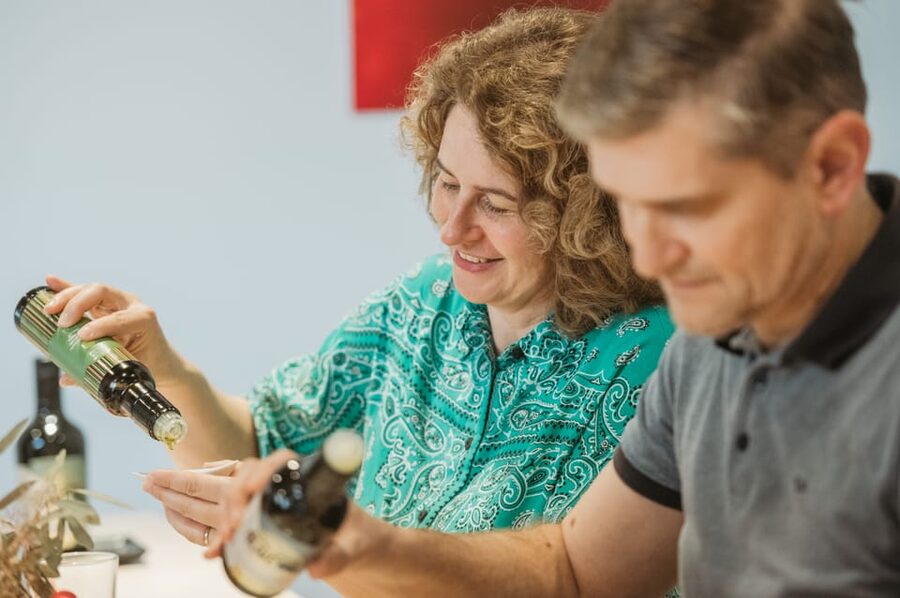
- Five extra virgin olive oils: Compare Istrian oils with a typical supermarket oil and learn what separates good from poor quality.
- Roman olive-oil connections: See how ancient producers made oil and how it was shipped beyond Istria.
- Two short films: Watch the traditional production method alongside the way olive oil is produced today.
- A guided tasting lesson: Pay attention to aroma, taste, texture, appearance, and both positive and negative qualities.
- Dessert with olive oil: End the tasting with a sweet pairing that may change how you think about this savory ingredient.
- A useful local shop: Browse Istrian oils, brandies, truffles, lavender cosmetics, and Pula souvenirs.
Starting in central Pula with olive oil’s long story
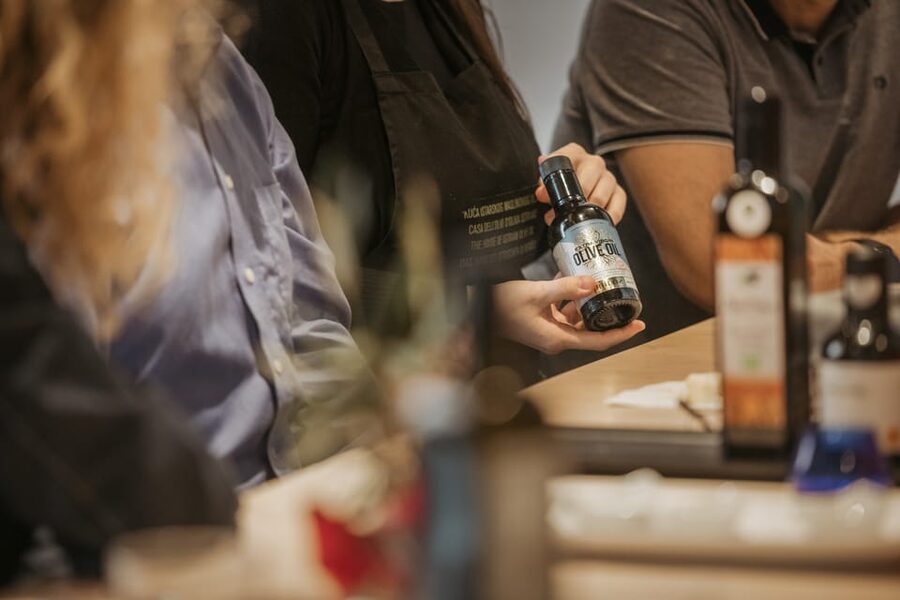
The House of Istrian Olive Oil is located in the center of Pula, so you do not need to arrange a separate trip into the countryside. That makes it an easy addition to a day spent around the Roman Arena, the Forum, or the city’s other central sights.
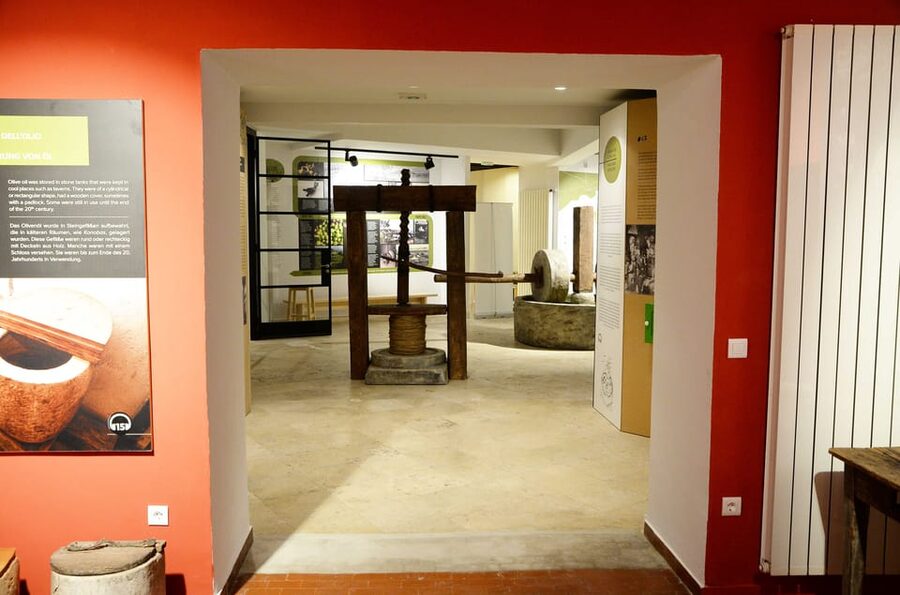
The museum begins with context. Olive oil is not treated as just a food product here. You learn how important it was to Istria, how Romans produced it, and how it moved through trade routes. This gives the tasting more meaning. A bottle on a shop shelf can seem ordinary, but the museum helps you see it as the final step in a long agricultural and commercial tradition.
I like this opening because it avoids starting with technical tasting language. You first understand why olive oil mattered, then learn how production changed. If you have already visited Roman sites in Pula, the subject fits naturally with the city’s ancient past.
The exhibits are designed to be entertaining rather than dry. That matters in a small museum. You are not signing up for a long lecture filled with dates and hard-to-follow terms. Instead, the material builds toward the tasting, where you can put the information to use.
More Food Tours in Pula
- Istria: Guided Tour of Inner Istria with Food Tasting
★ 5.0 · 67 reviews - Olive Oil Guided Tasting and History in Pula
★ 4.5 · 34 reviews - Pula Food Walking Tour
★ 4.5 · 22 reviews
Two films, from traditional pressing to modern production
Two short films explain how olive oil was made in the past and how it is produced today. The traditional process gives you a picture of the labor and methods behind older Istrian oil making, while the modern film shows how production has changed.
The films are a sensible part of the visit because olive oil quality depends on more than the olive itself. Harvesting, processing, storage, and handling all affect the final result. The museum does not simply tell you that Istrian oil is good. It shows the work and methods that help explain why oils can taste so different.
You should not expect a full working mill tour here. The films are short, and the experience remains a city museum visit rather than a day in an olive grove. Still, they provide useful background before you sit down with several oils in front of you.
This is also where the audio guide can help. It is available in 12 languages, giving you a way to explore the museum material at your own pace. The guided portion is offered in English and German, according to the available tour information. If you prefer to listen rather than read exhibit text, that language support is a real benefit.
The five-oil tasting is the heart of the visit
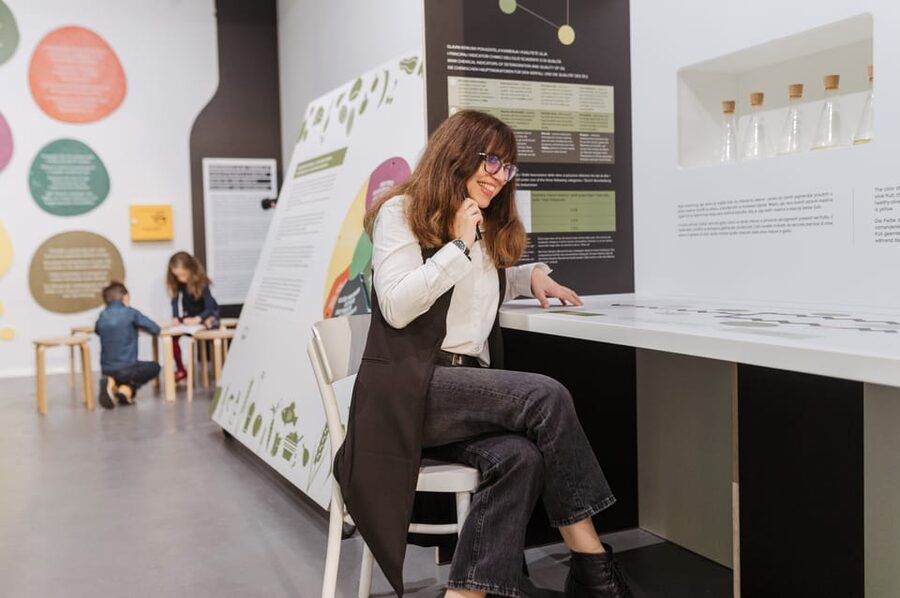
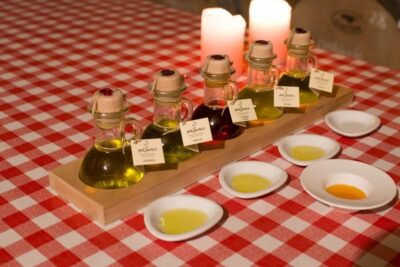
The tasting is the strongest reason to book. You sample five extra virgin olive oils and compare them directly, rather than judging one oil in isolation. That side-by-side approach makes subtle differences easier to notice.
You are guided to look at several features:
- Aroma
- Taste
- Texture
- Appearance
- Positive qualities
- Negative qualities
This turns tasting into a skill you can use later. You may begin by thinking olive oil is simply mild, strong, or bitter. By the end, you have a clearer vocabulary for what is in the glass and a better sense of why one oil costs more than another.
A good extra virgin olive oil can have a range of aromas and flavors. The key point here is not to memorize a set of fancy tasting notes. It is to notice whether the oil smells fresh, feels lively, and has a clean finish. The guide helps you separate desirable traits from faults.
The tasting also includes an olive oil commonly found in a supermarket. That comparison is especially useful. Many people buy oil based on packaging, price, or a familiar brand without tasting it beside a fresher premium oil. Here, the contrast gives you a practical reference point.
One visitor described mainstream oils as devils in disguise, a humorous way of saying that an ordinary-looking bottle may not deliver the quality you expect. The point is not that every supermarket oil is bad. It is that labels and low prices do not tell the whole story, and tasting lets you judge for yourself.
Learning to spot good and bad qualities
The museum’s tasting lesson is not only about praising Istrian oil. You also learn about negative qualities. That balanced approach makes the experience more useful than a simple sales pitch.
You can ask questions about what you smell and taste, and the guide explains why an oil has a particular character. The staff have been praised for being friendly, enthusiastic, and ready to answer questions. One visitor specifically noted that the guide made the subject easy to understand and responded to questions with energy.
That personal contact is important. Olive-oil tasting can feel intimidating if you think you need specialist knowledge. You do not. The point is to slow down and pay attention. A good guide gives you enough information to notice differences without making the subject feel like an exam.
The appearance of olive oil is also discussed, but you should remember that color alone does not prove quality. The tasting encourages you to use aroma and flavor as well as what you see. That is a useful lesson for shopping later, when attractive color and elegant packaging can distract from the actual oil.
The experience may be especially helpful if you cook often or plan to bring oil home. After tasting five oils, you will have a better idea of the styles you prefer. You may like a gentler oil for general cooking, or a more pronounced one for bread, salads, or finishing a dish. The tour does not need to tell you which bottle to buy. It gives you the tools to decide.
More Olive Oil Tastings:
- Istrian hill top cities tour with truffle and olive oil tasting
★ 5.0 · 18 reviews - Split: Krka Waterfalls With Boat Cruise, Wine and Olive Oil
★ 4.3 · 1,507 reviews - Wine, food and olive oil by PhD student
★ 5.0 · 111 reviews - Hvar: Island tour with Wine and Olive Oil Tasting
★ 4.9 · 77 reviews
The sweet dessert pairing is a clever finish
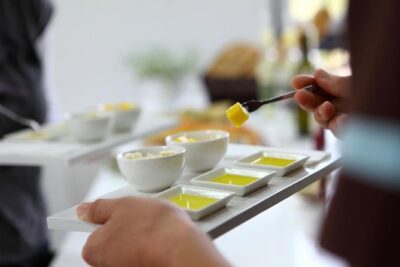
The tasting ends with a sweet dessert paired with a selected olive oil. This is one of the more unusual parts of the experience and gives the visit a small surprise at the finish.
Many people think of olive oil as something for bread, vegetables, or savory dishes. A dessert pairing shows that quality oil can work in a different setting. The purpose is not to turn every dessert into an olive-oil dish. It is to demonstrate how flavor, texture, and sweetness can work together.
I like this ending because it is memorable without adding a large extra activity. After comparing several oils in a serious tasting, the dessert gives you a relaxed way to think about what you have learned. It also makes the experience more appealing if you are visiting with someone who is less interested in production methods or Roman trade.
The available information does not specify the exact dessert, so you should treat it as a selected sweet pairing rather than expect a particular local pastry. What is clear is that it is included in the experience and matched with one olive oil.
The shop is useful, but keep your buying plan clear
You finish with access to a shop carrying a wide selection of Istrian extra virgin olive oils. You can also find brandies, truffles, lavender-based cosmetics, and souvenirs.
This is convenient if you want to take home a local food gift without searching across Pula. The shop also lets you return to the oils you tasted and compare your impressions with the available bottles. If you plan to buy, pay attention to the oil you liked during the tasting rather than choosing only by bottle design.
The wider selection is helpful for different budgets and tastes. A bottle of Istrian oil is an easy souvenir to use, and truffles or brandy may suit someone who wants a stronger regional flavor. Lavender cosmetics offer a non-food option.
The shop does mean the experience has a commercial side. That is not unusual for a food museum, and the tasting provides a useful basis for making your own choice. You are not simply being shown products without context. Still, set your budget before you browse, especially if you are tempted by several local specialties.
Is $35 a fair price in Pula?
At $35 per person, this is not the cheapest short activity in Pula. The price is easier to justify if you count the full package: museum access, an audio guide available in 12 languages, two films, a guided tasting of five extra virgin olive oils, instruction on quality, and a dessert pairing.
The value depends on how much you care about food and local products. If you only want a quick taste, the cost may feel high. If you want to understand what you are tasting and leave with a better eye for quality, the price is more reasonable.
I see this as a good value for a rainy afternoon or a break from outdoor sightseeing. It also suits a first visit to Istria, since olive oil is a central part of the region’s food identity. You are getting more than a snack, but less than a full culinary tour or meal.
The rating of 4.9 from 35 reviews points to a very consistent response, especially for the exhibits, staff, and tasting. The smaller number of reviews means I would not treat the score as a guarantee for every visit, but the praise lines up across the experience. The most repeated strengths are the interesting presentation, friendly help, and clear tasting comparison.
Who will enjoy this Pula experience most?
I would recommend the House of Istrian Olive Oil to:
- Food lovers who want to understand Istrian ingredients
- Couples looking for a compact cultural activity
- Visitors who enjoy guided tastings but do not want a full-day tour
- Anyone planning to buy olive oil and wanting to taste before shopping
- People seeking an indoor option when the weather turns wet
- Visitors interested in the connection between Roman Pula and local production
It is also a good choice for curious beginners. You do not need to know anything about olive oil before arriving. The tasting is built around comparison, so even a first-time taster has something concrete to notice.
You may want to skip it if you dislike tastings, have no interest in food production, or want a visit focused on active outdoor scenery. There is no information indicating transport into the countryside, an olive grove walk, or a full meal. The appeal is the museum, the explanation, and the tasting table in central Pula.
Practical advice before you book
Set aside enough time to listen to the museum material, watch the films, and take part in the tasting without rushing. The exact duration is not provided, so do not plan another fixed appointment immediately afterward.
The activity is offered in English and German, while the audio guide is available in 12 languages. If you are more comfortable in another language, check how much of the guided tasting itself will be available in your preferred language before booking.
You can reserve now and pay later, which helps if your Pula plans are still shifting. Cancellation is available up to 24 hours in advance for a full refund. Those terms make it easier to fit the experience into a flexible city itinerary.
Bring your curiosity, not specialist tasting skills. Ask questions during the guided portion, especially if one oil smells or tastes different from what you expected. The staff’s friendly approach is one of the best parts of the visit, and the tasting becomes much more useful when you take part rather than simply sip and nod.
Should you book the House of Istrian Olive Oil?
Book it if you want a practical lesson in Istrian olive oil, a central Pula location, and a tasting that teaches you how to judge quality. The five-oil comparison, supermarket reference oil, Roman background, and dessert pairing give the visit more substance than a simple shop tasting.
At $35, I would not book it only for a quick sample. I would book it because you want to understand what makes extra virgin olive oil different and perhaps take home a bottle chosen with confidence. It is particularly useful on a rainy day, for food-focused visitors, and for anyone who wants an easy indoor activity near Pula’s main sights.
Skip it if you are hoping for a farm visit, a long production tour, or a full meal. For an approachable museum stop with a clear tasting lesson and friendly guidance, though, this is one of Pula’s more rewarding small experiences.
FAQ
Where is the House of Istrian Olive Oil?
It is located in the center of Pula, in Istria County, Croatia.
How much does the experience cost?
The listed price is $35 per person.
How many olive oils do you taste?
The guided tasting includes five extra virgin olive oils.
Is dessert included?
Yes. The experience includes a sweet dessert paired with a selected olive oil.
What languages are available?
The audio guide is available in 12 languages. The guided experience is listed as available in English and German.
Can I cancel my booking?
Yes. You can cancel up to 24 hours in advance for a full refund. You can also reserve your place and pay later.
More Museums
- Blue Lagoon & Underwater Museum from Split with Lunch & Drinks
★ 4.5 · 1,122 reviews - Zagreb: Skip-the-Ticket-Line Museum of Broken Relationships
★ 4.5 · 847 reviews - Zagreb: Nikola Tesla Technical Museum Ticket
★ 4.5 · 520 reviews - Split: Game of Thrones Museum Entrance Ticket
★ 3.8 · 385 reviews
More Food Tours
- Wine Tasting Experience at the organic winery in Šišan
★ 3.5 · 13 reviews - Pula Food Walking Tour
★ 4.0 · 12 reviews - From Split: Krka Waterfalls, Food & Wine Tasting Tour
★ 5.0 · 9,326 reviews - From Split: Krka Waterfalls, Food & Wine Tasting Tour
★ 4.9 · 6,598 reviews
Just added around Pula
- Istria: Private Boat Tour with Skipper★ 5.0 · 9 reviews
- 3 Hours Private Wine and Sunset Tour★ 5.0 · 9 reviews
- Pula: Sunset/Night-time Illuminated Transparent Kayak Tour★ 4.0 · 9 reviews
- Electric Off-Road Scooter Tour in Pula★ 5.0 · 10 reviews
- Pula: Your Custom Full-Day Private Sail – Explore Istria’s Gems★ 5.0 · 10 reviews
- Pula Private 2-Hour Guided Walking Tour★ 5.0 · 10 reviews
- Pula: Private Brijuni Tour With Swimming, Dinner & Drinks★ 4.3 · 10 reviews
- Stop on Island & National Park Day Cruise with Lunch Drinks★ 5.0 · 10 reviews
Olive Oil Tastings, compared.
Krka Waterfalls With Boat Cruise, Wine and Olive Oil
Read our review →

Olive museum Klis with educational olive oil tasting
Read our review →
Krka Waterfalls Tour with Wine and Olive Oil Tasting
Read our review →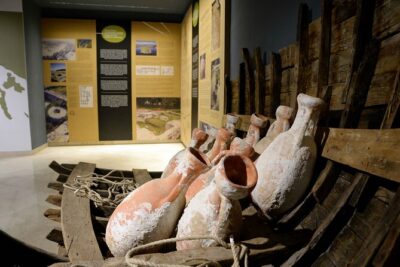
Browse the lists this tour appears in