
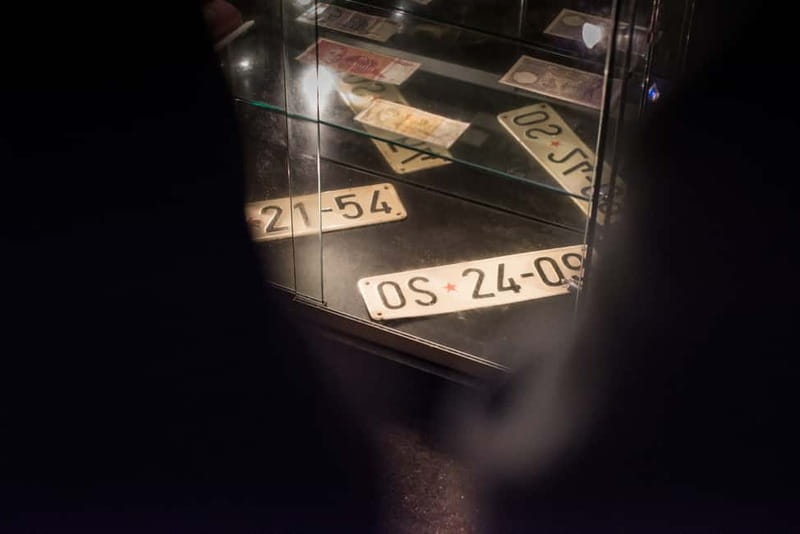
Reviewed · ZAGREB TOURS
Zagreb: Communism and Croatian Homeland War Tour
History gets real underground. This 2.5-hour walking tour links Zagreb’s communist years, the breakup of Yugoslavia, and Croatia’s Homeland War through places that still carry the marks of the period. I especially like the WWII tunnels and the authentic basement shelter, where the story moves from dates and politics to the daily fear of air raids. I also like the use of maps, photographs, personal stories, and a final video presentation.
The main consideration is the subject matter. This is not a light sightseeing walk, and the war years are discussed with care but also with emotional weight. You will walk through parts of central Zagreb, but the tour is not suitable for wheelchair users or people with mobility impairments, and large bags, luggage, pets, and unaccompanied minors are not allowed.
In This Review
- Key points at a glance
- Why this Zagreb tour matters
- Beginning at Ban Jelačić Square
- Following Zagreb through the 20th century
- Entering the WWII underground tunnels
- The communist years in everyday Zagreb
- The photo stop and central Zagreb connections
- The basement shelter and the air raids on Zagreb
- How the guides shape the experience
- Is $44 a fair price?
- Practical details before you book
- Who should book this tour?
- Should you book the Communism and Homeland War Tour?
- FAQ
- Where does the Zagreb Communism and Homeland War Tour start?
- Where does the tour end?
- How long does the tour last?
- Which languages are available?
- Are the WWII tunnels included?
- Is the tour suitable for wheelchair users?
- Can children join the tour?
Key points at a glance
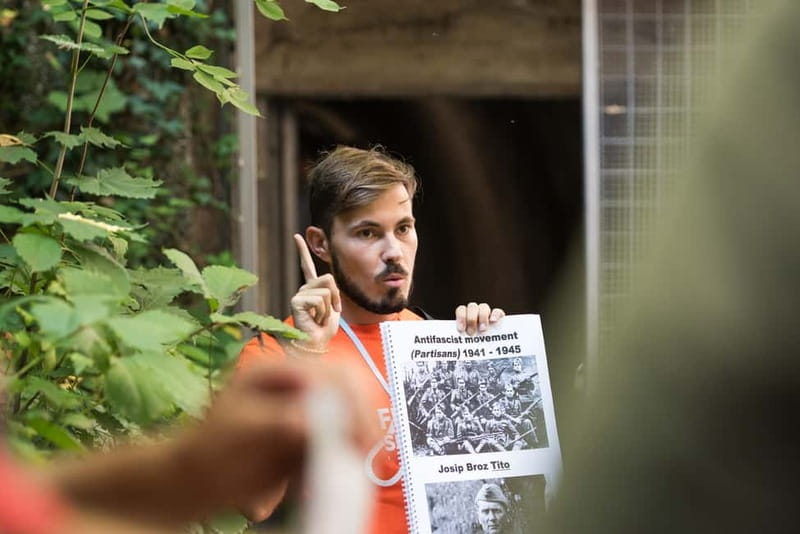
- The WWII tunnels anchor the tour: Underground passages provide a physical setting for Zagreb’s 20th-century story.
- The basement shelter makes the Homeland War personal: You see an authentic space used by local people during air raids in the 1990s.
- Guides bring first-hand context: Darko, Ivana, Vid, Didi, Ivanka, and Diana have been praised for clear explanations, humor, energy, and personal family stories.
- The tour aims for balance: Guides explain the fall of Yugoslavia and Croatian independence from more than one angle.
- The final video adds emotional force: The multimedia presentation helps connect the city’s history with the experience of civilians.
- The price is fair for a small-scale history experience: At $44 per person, you are paying for a local guide, two unusual interior visits, and a focused account of recent events.
Why this Zagreb tour matters
Zagreb’s central streets can make the city’s recent past feel distant. Cafés, trams, and Austro-Hungarian façades dominate the usual first impression. This tour changes the frame. It asks you to look at Zagreb as a place shaped not only by old empires, but also by one-party rule, political collapse, armed conflict, and the hard work of building an independent state.
The subject covers several connected periods:
- World War II and its effect on Croatia and Zagreb
- Almost 50 years of communist Yugoslavia
- The fall of communism
- The breakup of Yugoslavia
- Croatia’s Homeland War in the 1990s
- Air raids and civilian life in Zagreb
That sweep is useful because the Croatian Homeland War cannot be understood in isolation. Political loyalties, national identity, the Yugoslav system, and the collapse of the federation all overlap. A guide can explain those links in a way that is much easier to follow than a pile of separate museum panels.
I like the fact that the tour does not rely only on military history. The focus includes how ordinary people lived, what political change meant in daily life, and how the war affected families. Several guides have shared personal or family experiences, including complicated stories connected to Yugoslav and Croatian identity. That personal angle gives the tour a human scale without turning it into a lecture about famous leaders alone.
Other Zagreb trips people book alongside this one:
- From Zagreb: Plitvice & Rastoke Guided Day Trip with Ticket
★ 4.9 · 2,955 reviews - Zagreb: Rastoke & Plitvice Lakes Guided Tour with Ticket
★ 4.9 · 1,897 reviews - Communism & Croatian Homeland War Tour
★ 5.0 · 1,355 reviews
Beginning at Ban Jelačić Square
The meeting point is in front of the horse statue at Ban Josip Jelačić Square, Zagreb’s main square. This is a practical place to begin because it is central and easy to identify. You return here at the end, so you do not need to arrange a separate pickup or figure out a new part of town after the tour.
The opening section introduces the historical setting before the tour moves into its more focused stops. Expect a walking format rather than a coach ride. The route includes several guided sightseeing sections, a photo stop, and longer visits inside the tunnels and basement shelter.
The walking itself is not described as an extreme physical challenge, but the activity is specifically unsuitable for people with mobility impairments. Underground spaces can also involve uneven surfaces or restricted movement, so you should take the accessibility warning seriously. Wear comfortable shoes, and leave large bags and luggage behind.
Following Zagreb through the 20th century
The early guided stops provide the framework for the rest of the experience. Rather than treating the communist era as a footnote, the tour gives it nearly half a century of attention. You learn how Zagreb fit into communist Yugoslavia and how that system shaped public life before its collapse.
This context matters. Croatia was not simply moving from one unrelated political system to another. The end of Yugoslavia brought questions about identity, borders, power, language, and political control. Your guide’s job is to make those connections understandable without assuming you already know the region’s complicated history.
The strongest guides appear to be those who can explain difficult material in plain language. Darko has been praised for a strong voice, good pacing, maps, photographs, humor, and a final video that brought the different parts together. Vid has been described as energetic, witty, and good at keeping the group involved with questions. Ivana and Ivanka have been praised for combining historical skill with personal and family stories.
Guide quality always affects a walking tour, and the company uses several guides, so the exact tone may vary. Still, the repeated praise for Darko, Ivana, Vid, Ivanka, Diana, and Didi points to a consistent strength: the experience depends on human explanation, not just access to old spaces.
Entering the WWII underground tunnels
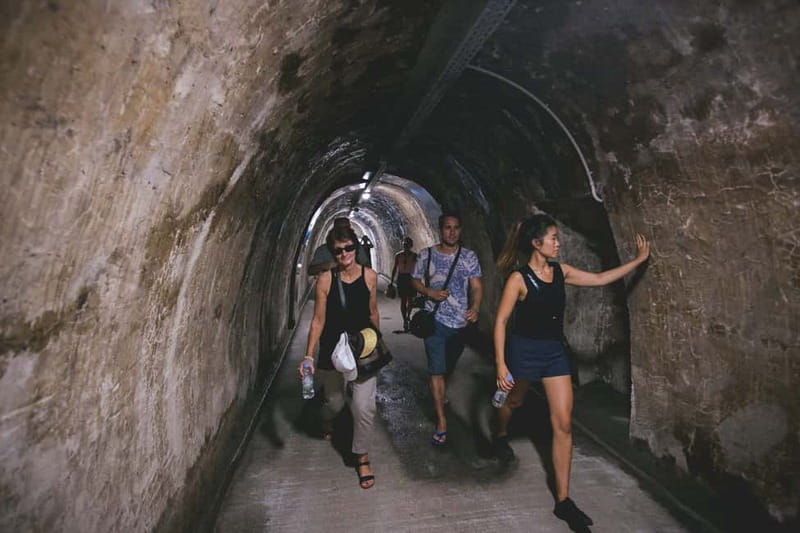
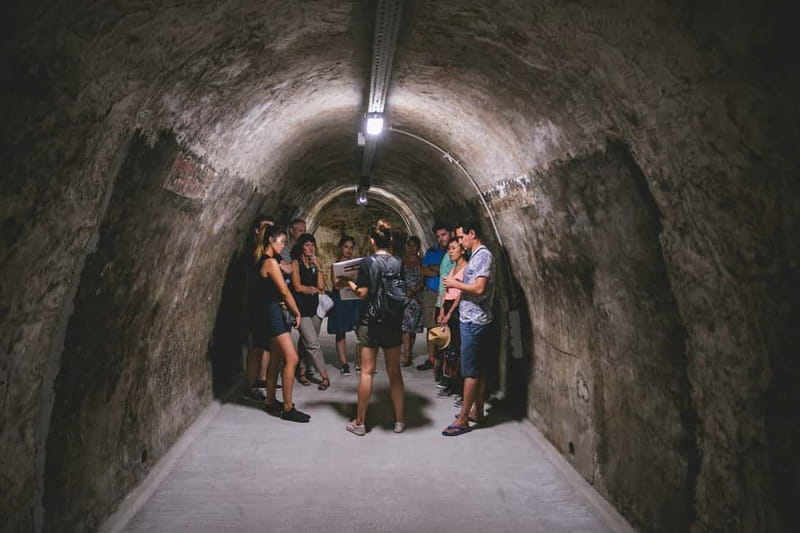
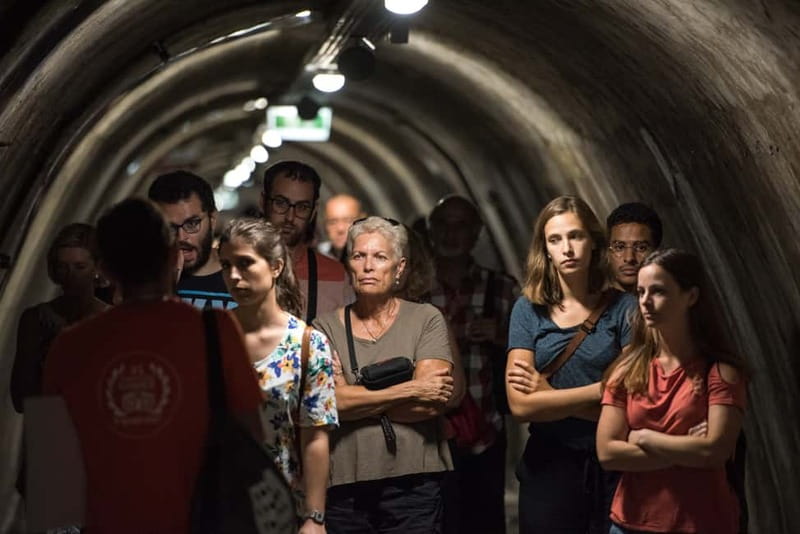
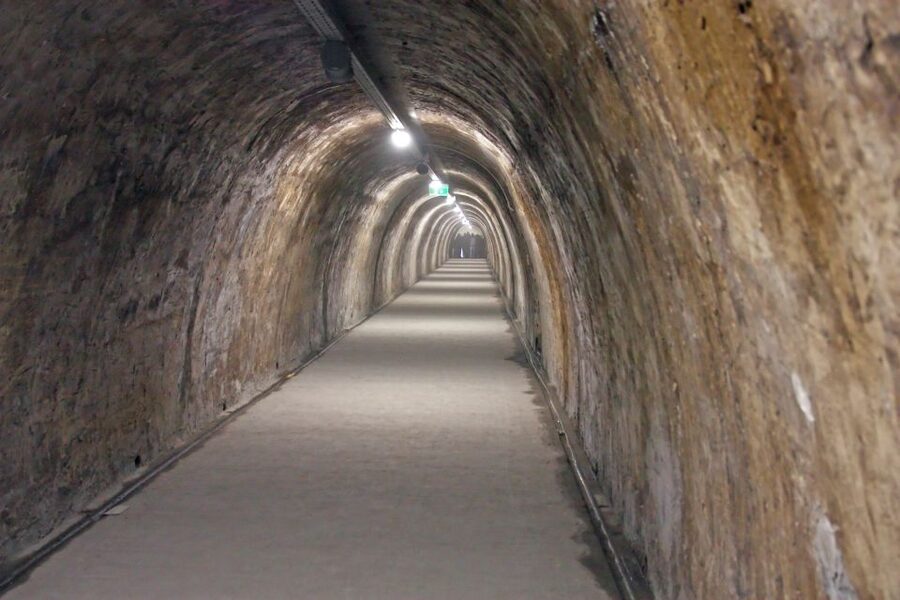
The first major interior visit is the WWII underground tunnel system. The tunnels present Zagreb and Croatian history through the 20th century, including World War II, communist Yugoslavia, the fall of communism, and the Homeland War.
This is the tour’s most useful physical setting. Underground passages are not just another stop on a city walk. They give you a sense of shelter, confinement, and the way a city can contain layers of history beneath its everyday streets. The setting helps the guide shift from broad political events to the practical question of how people sought safety.
The tunnel visit is not available during events held in the tunnels. Check the date and tour details carefully if this part is especially important to you. The supplied information does not state how often such events occur, so you should confirm availability before booking rather than assume the tunnel access is guaranteed on every date.
Expect this section to carry a lot of information. Croatia’s 20th-century story has no shortage of names, dates, political changes, and competing interpretations. A guide who uses maps and photographs can make the sequence easier to retain, but you may still want to take a few notes afterward. The tour is helpful as a structured introduction, not a replacement for a full history book.
Something different for another day:
- Best of Zagreb with the WW2 Tunnels
★ 5.0 · 973 reviews - Plitvice Lakes with Ticket & Rastoke Guided Tour from Zagreb
★ 5.0 · 966 reviews - Zagreb: Small Group Walking Tour City Center and WW2 Tunnels
★ 4.9 · 895 reviews - Zagreb: Skip-the-Ticket-Line Museum of Broken Relationships
★ 4.5 · 847 reviews
The communist years in everyday Zagreb
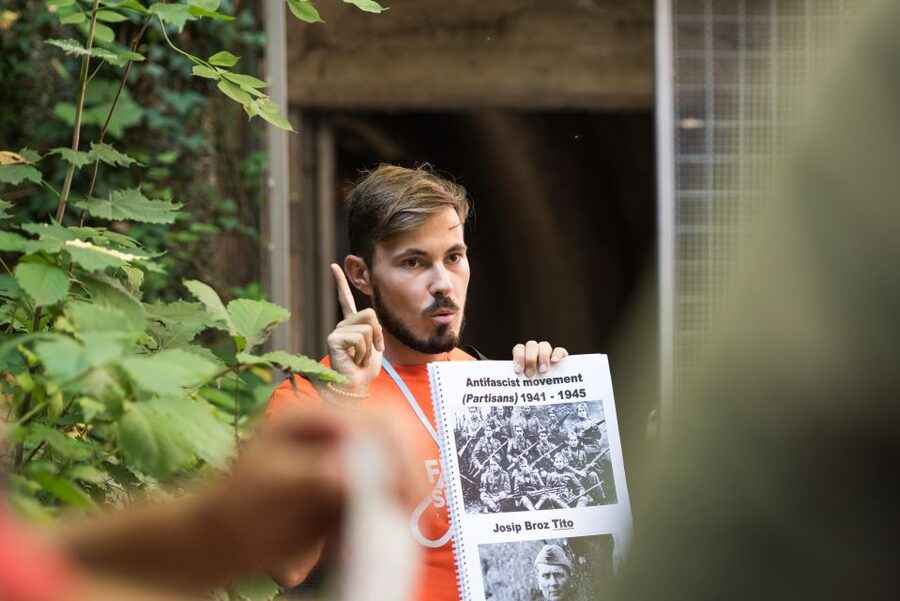
The communist period is often where this tour earns its price. Many city walks rush through it on the way to older architecture or wartime landmarks. Here, you get time to consider what life in Zagreb was like under communist Yugoslavia and how the system differed from the assumptions many outsiders bring to the subject.
The guide can also explain why the end of communism did not instantly solve the region’s political tensions. The transition led into instability and war, not a neat change of government. That is an important distinction, especially if your previous knowledge comes mainly from a few newspaper headlines or a general European history course.
The best approach is to listen for the human details. How did people understand their identity? How did families experience the old system? What changed when Yugoslavia began to break apart? The guides’ personal stories help you see that people did not all hold the same view, and that family experiences could be complicated.
Ivanka has been especially praised for acknowledging that a Croatian historian can offer one perspective among several. That willingness to point toward Serbian, Slovenian, and other viewpoints is valuable. It does not erase disagreement, but it encourages you to recognize that the region’s past cannot be reduced to one national story.
The photo stop and central Zagreb connections
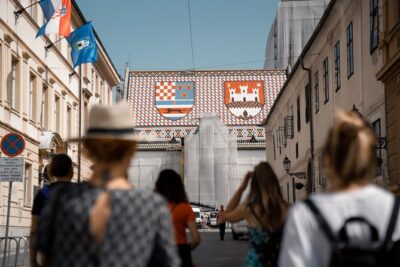
One part of the route is set aside for sightseeing and photographs, with about 30 minutes of guided explanation. The exact sight is not specified in the tour details, so I would not book this expecting a particular famous building or viewpoint. Instead, think of it as a chance to connect the street-level city with the political story already being discussed.
This pause also helps break up the heavier material. A 2.5-hour history walk can become tiring if every minute is spent underground or listening to a lecture. The photo stop gives you a moment to look around, ask questions, and absorb the setting.
Guides have been praised for keeping the experience interactive. Some ask questions rather than speaking nonstop, which can help you stay focused during a large amount of historical explanation. If you are curious about how Zagreb remembers the war today, this is a good point to ask. The guide’s answer may vary, but the format leaves room for conversation.
The basement shelter and the air raids on Zagreb
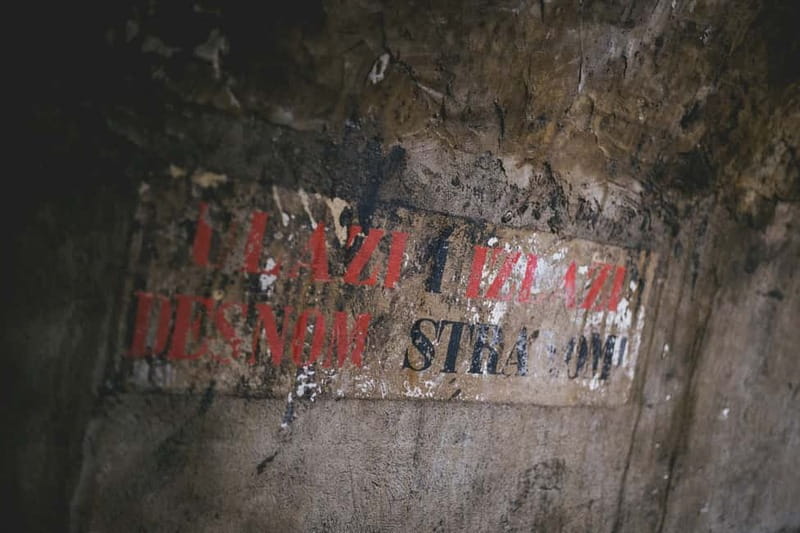
The final major stop is an authentic basement used by local people as a shelter during air raids in the 1990s. This is the most emotionally direct part of the tour because the space is connected to civilian experience rather than only political decisions or battlefield events.
A shelter can make the Homeland War feel less abstract. You are not simply hearing that Zagreb was attacked. You are standing in a place where people sought protection, waited, and dealt with the uncertainty of the moment. The tour information does not promise a recreated scene, so expect an authentic basement rather than a staged attraction.
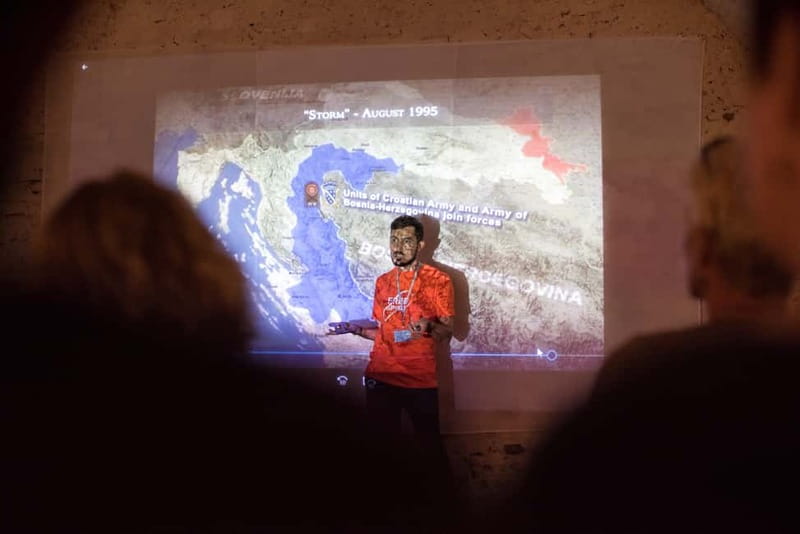
The visit lasts about an hour and includes a Croatian Homeland War multimedia presentation. The video is an important part of the ending. Several guides have been praised for using film, maps, photographs, and personal accounts to make the material easier to understand. The presentation gives the tour a clear finish instead of leaving the story at the door of the shelter.
This portion may be difficult for children or anyone who prefers to avoid war history. Children are allowed only when accompanied by an adult, and one family found the tour workable with an eight-year-old, though the child became restless near the end. I would judge the decision by your child’s interest in serious history, not simply by age.
How the guides shape the experience
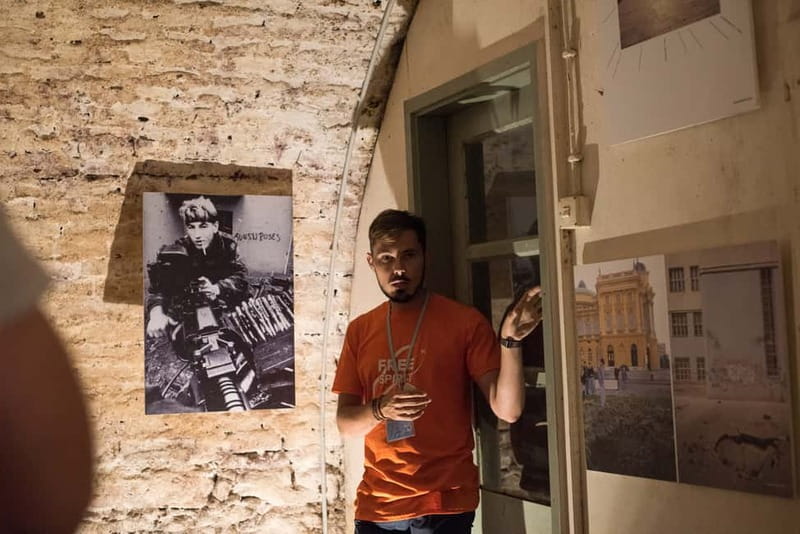
The guide is the difference between a useful history walk and a confusing list of facts. The most praised qualities here are clear speech, warmth, humor, strong storytelling, and the ability to explain opposing viewpoints.
Darko has been praised for his baritone voice, which helped him carry over city noise, as well as his positive energy and use of maps and photographs. Other comments describe him as an excellent history teacher who added personal experience from growing up during the 1990s wars.
Ivana has been described as passionate, professional, charismatic, and particularly good at explaining history at the right level of detail. Her family stories made the war feel personal for some people on the tour. Ivanka has a background in history and has been praised for combining a natural speaking style with careful attention to different viewpoints.
Vid has been praised for humor, wit, energy, and audience interaction. Didi and Diana have also been described as friendly, articulate, and clear. The names matter because they show the range of guides you might meet, but you should understand that the specific guide is not guaranteed unless the booking system states it.
You should also expect a serious subject handled with some humor. That balance can make the material easier to absorb, but it may not suit anyone looking for a solemn memorial-only experience. The tour is educational and conversational, not a formal academic seminar.
Is $44 a fair price?
At $44 per person, the tour is not the cheapest way to walk around Zagreb. But you are paying for more than a standard city orientation. The price includes a local guide for 2.5 hours, entry to the WWII tunnel, access to the basement shelter, and a multimedia presentation about the Homeland War.
I consider that reasonable value if recent Croatian history is one of your main interests. The unusual access is the key. You could read about communism and the Homeland War on your own, but you would not get the same combination of places, local explanation, family stories, and guided discussion.
The value is lower if you mainly want beautiful streets, architecture, food, or a broad introduction to Zagreb. This tour gives much of its time to politics, conflict, shelters, and difficult memories. It works best as a focused historical experience, perhaps alongside a lighter city walk.
The high 4.9 rating from 779 reviews also suggests a strong level of satisfaction, especially with the guides and the way the material is presented. I would still judge the price by your interests. For a history-minded visitor, it is a sensible use of half a day. For someone who dislikes war-related subjects, it may feel like money spent on the wrong kind of sightseeing.
Practical details before you book
Tours are offered in English and Spanish, with a live guide. Check the available start times because the schedule is not fixed in the information provided.
You meet at the horse statue on Ban Jelačić Square and finish at the same point. That makes the tour easy to fit into a day of sightseeing, and you can plan lunch, a museum visit, or an evening activity without arranging transport back from another neighborhood.
The activity does not allow pets, luggage, or large bags. Children must be accompanied by an adult, and unaccompanied minors are not accepted. The tour is not suitable for wheelchair users or people with mobility impairments.
Free cancellation is available up to 24 hours before the start for a full refund. You can also reserve now and pay later, which helps if your Zagreb schedule is still changing. Confirmation is received at booking.
Who should book this tour?
I recommend it most strongly to you if you want to understand Croatia beyond its pleasant squares and café culture. It suits history fans, people with an interest in the breakup of Yugoslavia, and anyone who prefers local stories to a standard list of monuments.
It is also a good choice if you know very little about the region but want a clear starting point. The guides explain the setting step by step, and the tunnels, shelter, maps, photographs, and video give the subject different ways to sink in.
I would hesitate if you have limited mobility, large luggage, or little interest in 20th-century politics and war. The route is not designed as a relaxed architectural stroll, and the final shelter section can be emotionally heavy.
Should you book the Communism and Homeland War Tour?
Yes, if you want a serious, well-presented look at the forces that shaped modern Croatia. The authentic shelter, the WWII tunnels, and the guides’ personal stories give this experience more weight than a simple street lecture.
Book it early in your Zagreb stay if you want context for the rest of your visit. It may change how you read the city around you. Just confirm that tunnel access is available on your chosen date, bring comfortable shoes, and arrive ready for a thoughtful account of a painful and complicated past.
FAQ
Where does the Zagreb Communism and Homeland War Tour start?
The tour starts in front of the horse statue at Ban Josip Jelačić Square, Zagreb’s main square.
Where does the tour end?
The activity ends back at the meeting point at Ban Josip Jelačić Square.
How long does the tour last?
The tour lasts 2.5 hours. Check availability for the starting times offered on your chosen date.
Which languages are available?
The live tour guide is available in English and Spanish.
Are the WWII tunnels included?
Yes, a visit to the WWII tunnel is included, except when events are taking place in the tunnels.
Is the tour suitable for wheelchair users?
No. The activity is not suitable for wheelchair users or people with mobility impairments.
Can children join the tour?
Children can join when accompanied by an adult. Unaccompanied minors are not allowed.
Just added around Zagreb
- Zagreb: VR 3D Immersive Film Experience – Voucher★ 4.6 · 9 reviews
- Zagreb GRAND Private Walking Tour★ 4.5 · 9 reviews
- Zagreb: Explore with an Art Historian – Private Walking Tour★ 4.9 · 9 reviews
- From Zagreb: Plitvice Lakes & Rastoke Private Tour★ 5.0 · 9 reviews
- Croatian cuisine cooking class with Dolac market tour★ 5.0 · 9 reviews
- Private Guided Tour of Ljubljana and Lake Bled from Zagreb★ 5.0 · 9 reviews
- Picturesque Samobor & Samobor Castle Half-day Tour★ 4.5 · 9 reviews
- Zagreb to Split Private Transfer via Plitvice Lakes National Park★ 5.0 · 9 reviews
Zagreb Tours, compared.
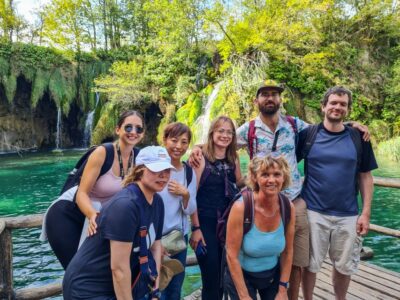
Plitvice & Rastoke Guided Day Trip with Ticket
Read our review →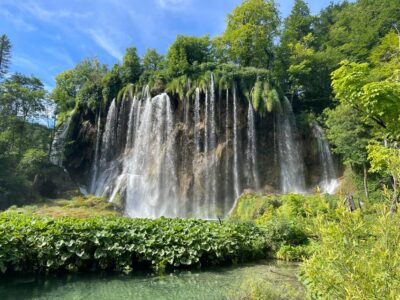
Rastoke & Plitvice Lakes Guided Tour with Ticket
Read our review →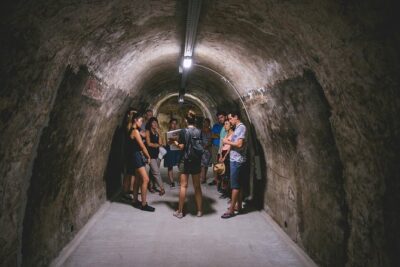
Plitvice Lakes with Ticket & Rastoke Guided Tour from Zagreb
Read our review →
Small Group Walking Tour City Center and WW2 Tunnels
Read our review →
Skip-the-Ticket-Line Museum of Broken Relationships
Read our review →
Browse the lists this tour appears in