
Reviewed · TICKETS
Pula: Arena Entrance Ticket
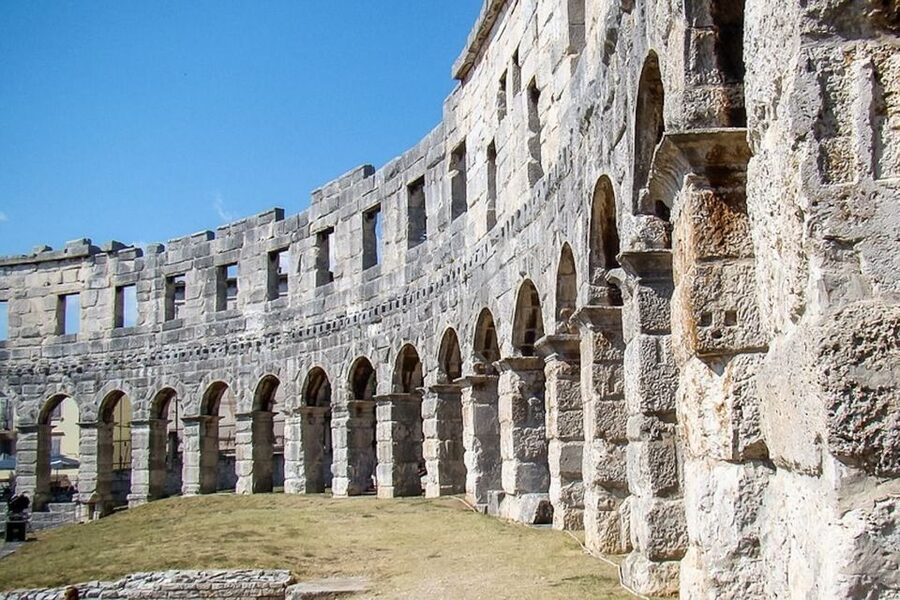
History feels different when you can stand where it happened. Pula Arena gives you a direct look at one of Croatia’s best-preserved Roman sites, with open access to the seating, arena floor, stone passageways, and underground exhibition. I especially like the freedom to explore at your own pace and the useful QR points around the building. The chance to step away from the beach for an hour or two and focus on Istria’s past is another strong reason to go.
The $11 ticket is fair if you want to enter rather than simply admire the amphitheater from outside. You should know, though, that some of the arena can be seen without paying, and the promised audio or guide service has not always been available. Online tickets may help with queues, but you could still need to visit the ticket desk to exchange the mobile code for a receipt.
In This Review
- Key points to know before you go
- Why Pula Arena deserves your time
- Entering through the main Pula Arena gate
- Walking the arena floor and Roman seating
- The underground exhibition on ancient Istrian production
- QR codes, audio, and self-guided information
- How long to stay inside Pula Arena
- The best time to visit in summer
- Is the $11 price good value?
- Wheelchair access and practical comfort
- Who will enjoy this entrance ticket most?
- Should you book the Pula Arena ticket?
- FAQ
- Where do I redeem the Pula Arena ticket?
- How long is the Pula Arena ticket valid?
- How long should I allow for the visit?
- Does the ticket include an audio guide?
- What is included in the underground exhibition?
- Is Pula Arena wheelchair accessible?
- Can I cancel the ticket?
Key points to know before you go
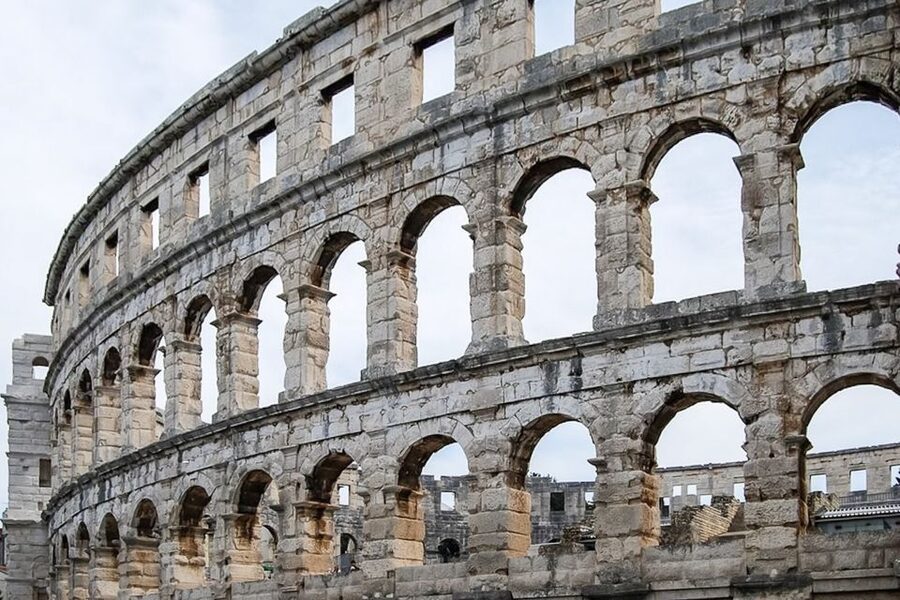
- Explore a nearly 2,000-year-old Roman amphitheater: Pula Arena is the city’s main historic sight and one of Croatia’s most striking ancient buildings.
- Visit the underground olive and wine exhibition: See reproductions of mills, presses, sedimentation tanks, and amphorae connected with ancient Istrian production.
- Allow about one to two hours: Some people finish in around an hour, while a slower self-guided visit can take up to 120 minutes.
- Go early in summer: The open arena offers little shade, and morning visits are cooler and generally quieter.
- Use the QR information points: They provide a self-guided way to learn more, but bring headphones if you plan to listen.
- Check the ticket procedure at the entrance: A prepaid mobile ticket may still need to be scanned at the main ticket area.
Why Pula Arena deserves your time
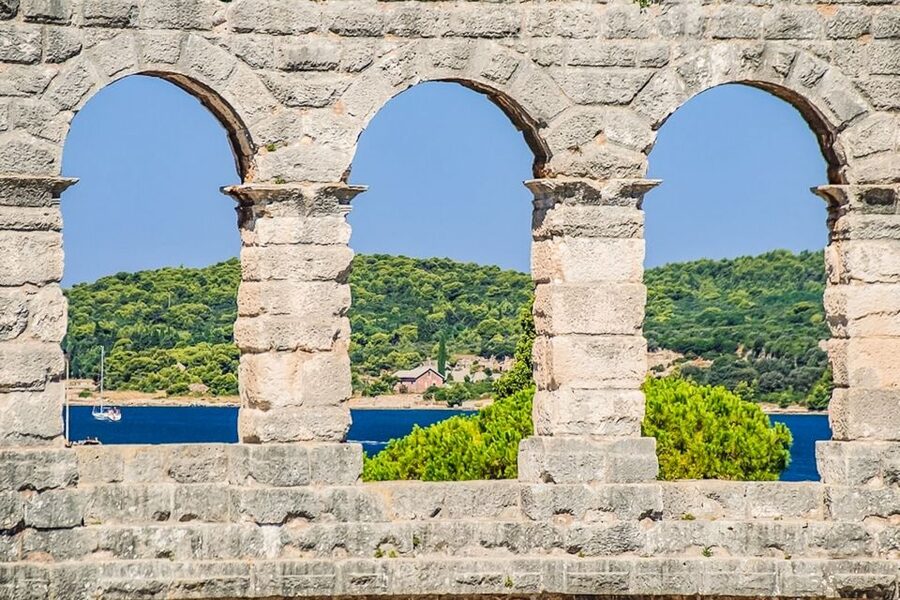
Pula Arena is not a small ruin tucked behind a museum. It is a huge oval amphitheater in the center of Pula, with high stone walls, rows of seating, arches, and views toward the water. Even before you enter, the scale is easy to grasp from the streets around it.
Inside, the building feels much more powerful than it does from the outside. You can walk through the arena, look up at the tiers, and picture the crowds gathered for gladiatorial contests and animal hunts. The setting is not a film set or a reconstruction. You are standing inside the place where those public spectacles took place.
The amphitheater also remains part of modern Pula. It is used for concerts, festivals, recreation, and occasional summer events linked to gladiatorial history. Depending on the date of your visit, you might see a stage or event equipment being prepared. That can add a lively sense of place, but construction noise may also interrupt a quiet visit.
I find the arena especially worthwhile because it connects several types of sightseeing. You get the large architectural experience of a Roman monument, the smaller details of daily production in ancient Istria, and a practical break from the coastal heat and beach routine.
More Roman arena visits:
- Pula Arena Amphitheater Admission Ticket
★ 4.0 · 68 reviews - Best of Istria: Amphitheater Pula + Rovinj + Hum Tour
★ 5.0 · 13 reviews - Salona & Amphitheater – Private guided tour – Admission incl.
★ 5.0 · 8 reviews
Entering through the main Pula Arena gate
You redeem the ticket at the main entrance to Pula Arena. The process is intended to be simple, with a mobile ticket or QR code ready to scan. Some people have gone straight through quickly, while others have been directed to the ticket office or shop entrance to exchange the digital ticket for a receipt.
That detail matters if you are booking mainly to skip the line. An online ticket can save time when the desk queue is long, but it is not a guarantee of instant entry. Reports from different visits have been mixed, and the exact procedure may depend on how busy the entrance is and how staff are processing tickets that day.
I would have the QR code open before reaching the gate. Keep your phone charged, and allow a few extra minutes in case the code must be scanned at the sales counter. This is still easier than arriving without a ticket during a busy summer period, but I would not plan your whole schedule around a guaranteed queue bypass.
Once inside, you are free to walk around without joining a set group. That is useful for families, photographers, and anyone who prefers to read only the information that interests them.
Walking the arena floor and Roman seating
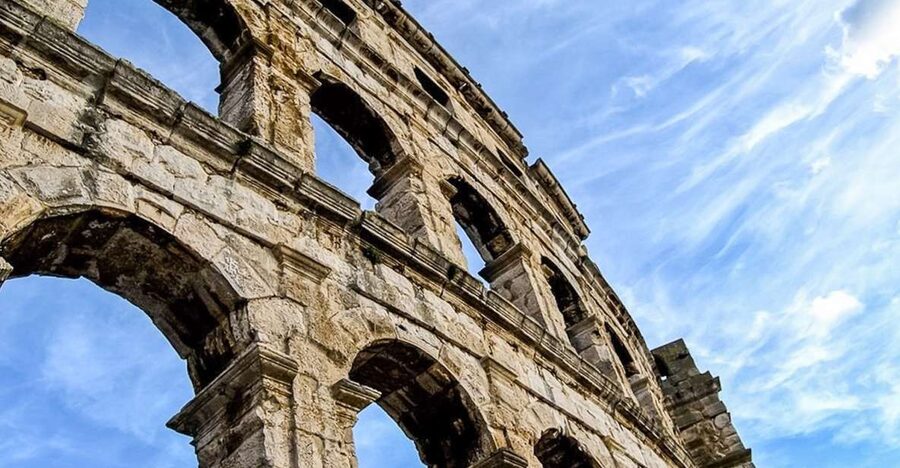
The main appeal is the amphitheater itself. From the arena floor, you can look across the oval space and up toward the stone seating. From higher points, you can study the shape of the building and see how the monument fits into modern Pula.
This is where the experience feels most physical. A book can explain gladiators, public shows, and Roman engineering, but the arena gives you the proportions. The open floor helps you understand how much space the performances required. The surrounding walls make the crowd feel present, even when the building is quiet.
You can sit in the stone seating and take in the view, though the amount of accessible seating and the condition of individual areas may vary. Bring water in summer, as the arena is wide open and can become very hot under strong sun. A morning visit around 8:00 or 9:30 has been especially effective for people hoping for a quieter start.
The monument is also a fine place for photographs. The stone arches, oval floor, and water visible beyond parts of the structure create a memorable setting. If a concert stage is being built, some views may be partly blocked. That is a temporary issue, but it can affect the photographs you came hoping to take.
The underground exhibition on ancient Istrian production
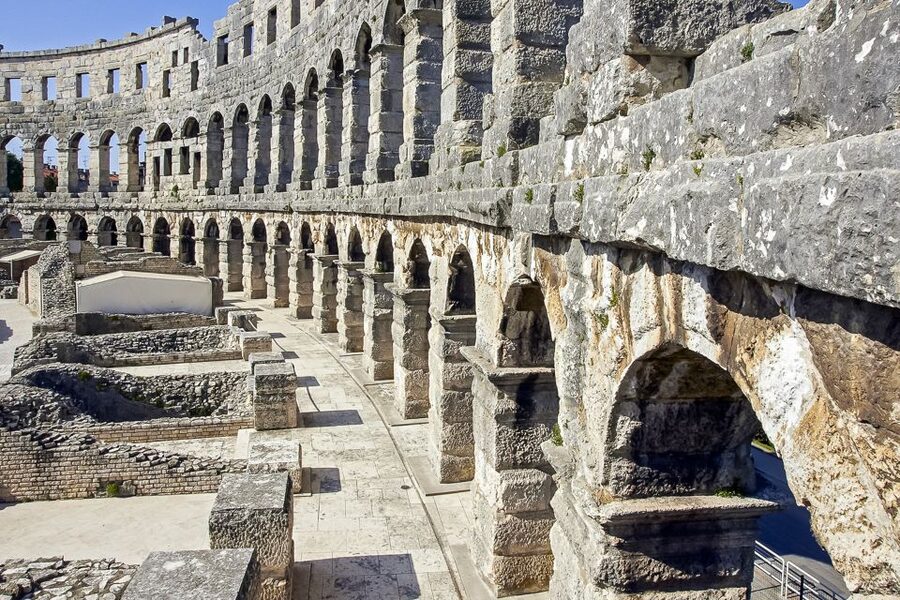
The ticket includes access to the permanent exhibition titled Istrian Olive and Viticulture in Antiquity. It is located in the underground area once used by gladiators during their tournaments.
This section gives the visit more substance than a quick walk around an ancient shell. The displays focus on olive oil and wine production, both important parts of Istrian life. You can see reproductions of equipment such as mills, presses, and sedimentation tanks, along with amphorae used to package and transport oil and wine.
I like this part because it shifts attention from dramatic arena spectacles to practical work. Gladiators and animal hunts are the obvious stories, but the underground displays show how people produced, stored, and moved everyday goods. The equipment also gives you something specific to study, rather than asking you to rely only on imagination.
The basement gallery is not fully wheelchair accessible. The rest of the site is wheelchair accessible, so this limitation mainly affects the underground portion. If that exhibition is important to your visit, check the current access arrangements before you arrive.
A few more tours and experiences worth a look
- Zadar: Plitvice Lakes Guided Day Tour with Tickets
★ 4.9 · 3,148 reviews - From Zagreb: Plitvice & Rastoke Guided Day Trip with Ticket
★ 4.9 · 2,955 reviews - From Split: Plitvice Lakes Guided Tour with Entry Tickets
★ 4.9 · 2,468 reviews - Zagreb: Rastoke & Plitvice Lakes Guided Tour with Ticket
★ 4.9 · 1,897 reviews
QR codes, audio, and self-guided information
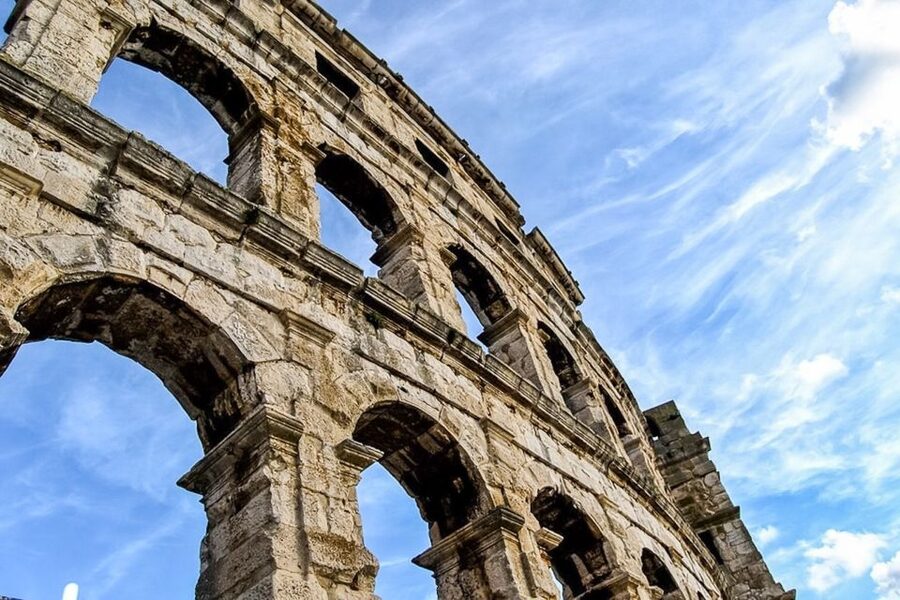
Information points with QR codes are placed around the arena. You can scan them for explanations and, in some cases, listen to the information on your own device. This gives you control over the pace. I like being able to stop for architecture, move quickly past a basic explanation, or pause when a detail catches my interest.
Bring headphones. They are listed as something to take with you and make the audio easier to hear in an open stone building. The quality and availability of the audio service have not been consistent on every visit. Some people have found the QR audio clear and useful, while others have found that an English guide or audio program was not working.
The entrance ticket does not include a dedicated audio guide. You should treat the QR material as a helpful self-guided aid, not as a guaranteed full tour. If you want a more structured explanation, read a little about Pula Arena before arriving or use a trusted history source on your phone.
There is also no promise of a detailed printed route map. The building is straightforward to navigate, but families with children may get more from the visit if they prepare a few questions in advance. Ask the children to find the arena floor, the upper seating, the arches, and the underground production equipment. That turns a short stop into a more active history lesson.
How long to stay inside Pula Arena
You can see the main parts in about an hour if you walk steadily and take a few photographs. I would plan for 90 minutes to two hours if you want to scan the QR points, read the exhibition displays, sit in the arena, and take your time.
The visit is self-paced, so there is no pressure to keep up with a guide. That also means the experience can feel short if you simply enter, take pictures, and leave. The ticket has its best value when you treat the arena as a place to observe, not just a backdrop.
A longer visit makes sense for anyone interested in Roman history, architecture, ancient agriculture, or photography. If you are traveling with small children, one hour may be enough before attention begins to fade. One family made the arena memorable by playing gladiators, which is a good reminder that the open floor can engage children better than a quiet museum room.
The best time to visit in summer
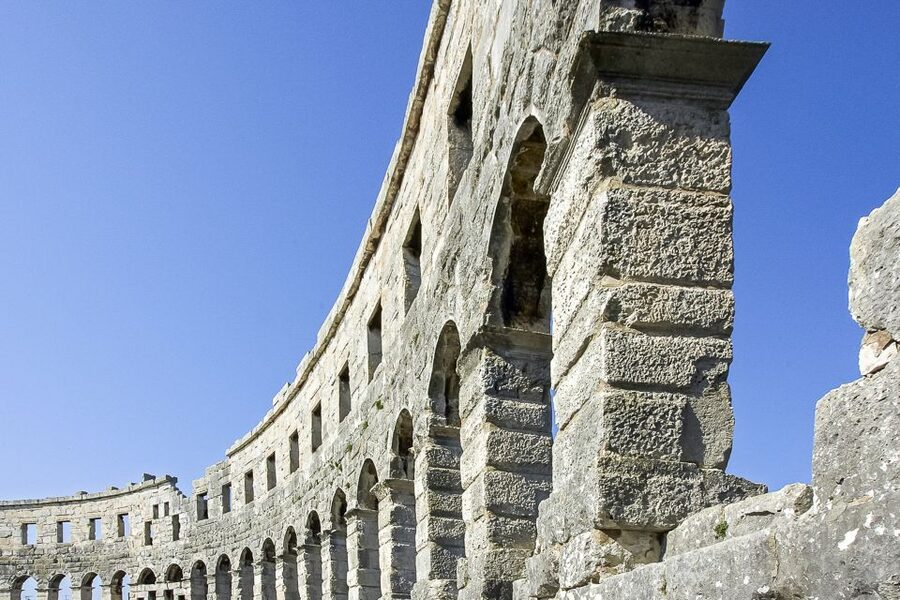
Pula can be hot, and much of the arena is exposed. The open stone surfaces offer limited protection from intense sun, so I would aim for early morning when possible. Several visits around 8:00 to 9:30 found the site calm, with more room to walk and photograph the building.
Early arrival also helps before large tour groups begin coming through. In high season, the difference between a quiet morning and a crowded late morning can change the feel of the visit. You are more likely to hear the QR information, find an open place to sit, and look across the arena without people filling every viewpoint.
A rainy day does not make the building uninteresting, but it can make the stone surfaces slippery and photographs less dramatic. The arena remains largely an outdoor experience, so check the forecast and bring suitable clothing.
Event preparation is another timing issue. Pula Arena hosts concerts and festivals, and stage construction has occasionally created noise or blocked parts of the interior. If you want the clearest possible view of the arena, ask locally whether an event is being prepared during your visit.
Is the $11 price good value?
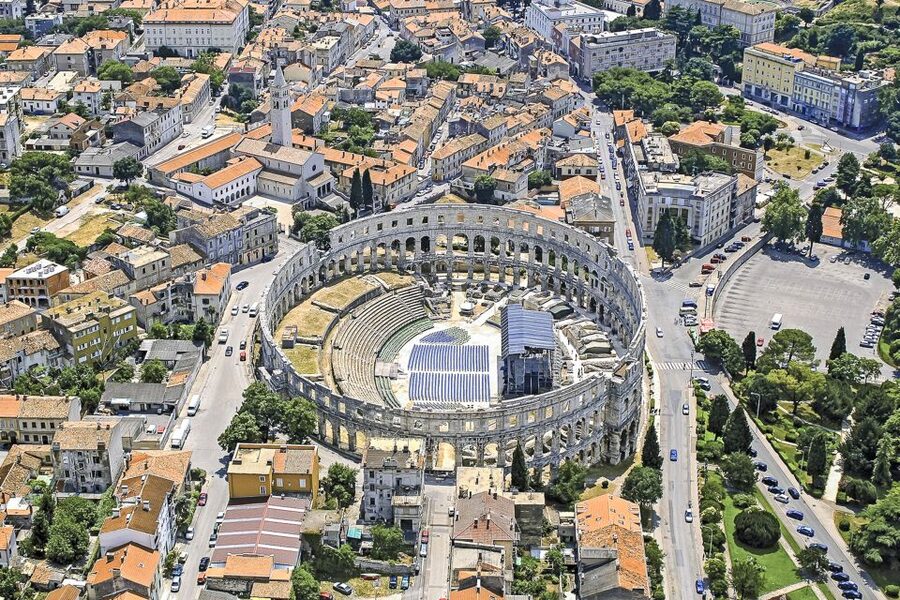
At $11 per person, the ticket is not a major expense for most Pula itineraries. I consider it good value if you care about ancient sites and want to enter the building rather than view it only from nearby streets.
The price supports access to the interior and the underground exhibition. You can examine the seating and arena floor from several angles, then see the production tools and amphorae below. That combination gives the ticket more value than a simple admission to an empty ruin.
Still, you should make an honest comparison. Much of the exterior is visible without paying, and you can appreciate the scale from outside. If you have little interest in history and mainly want a photograph, the free exterior view may be enough.
The ticket is also less attractive if the audio material is unavailable and you arrive without any background information. The building remains impressive, but the visit depends more on your own preparation. I would pay the $11 for the inside atmosphere, the underground gallery, and the chance to walk through the monument itself. I would not buy it solely because the product promises a flawless skip-the-line process.
Wheelchair access and practical comfort
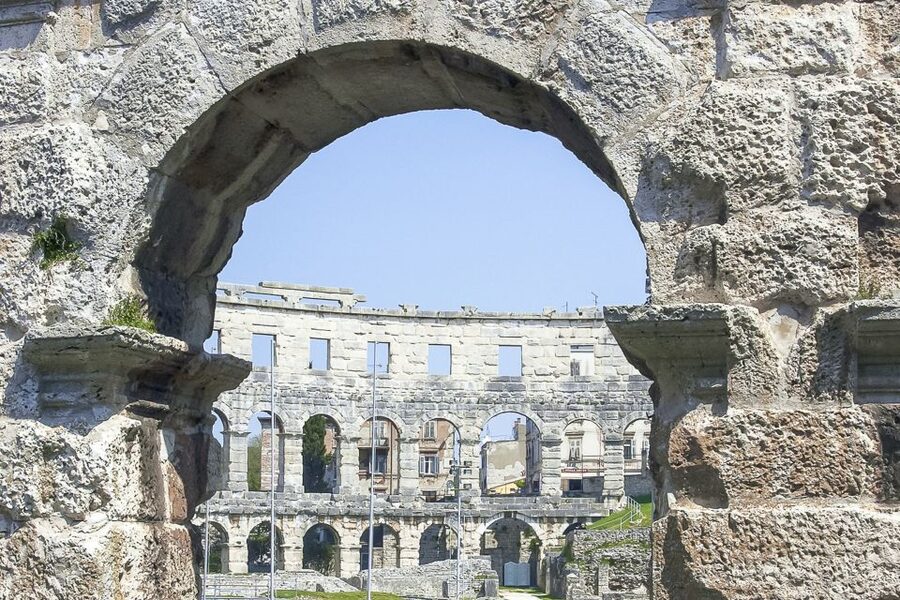
The site is wheelchair accessible except for the lower gallery in the basement. That means you can visit most of the arena, but the underground exhibition may not be reachable for every visitor.
Comfort depends heavily on weather. Wear comfortable shoes for walking on ancient and uneven surfaces, and bring water during warm months. Headphones are useful if you plan to use the QR information points.
There is no included transportation, transfer, or guided escort. You make your own way to the main Pula Arena entrance, then explore independently. That keeps the ticket simple and flexible, but it also means you should not expect a live explanation or a planned route.
The ticket is valid for one day, so you have flexibility within the stated opening schedule. Check the available starting times and current operating information before setting out, especially if you are visiting during an event period or outside the main summer season.
Who will enjoy this entrance ticket most?
I would recommend it most to:
- First-time visitors to Pula who want to see the city’s signature monument.
- Roman history fans who value the chance to stand inside an original amphitheater.
- Families who can turn the open arena into an informal history activity.
- Photographers looking for arches, stone seating, the arena floor, and water views.
- Beach visitors who want a worthwhile cultural stop away from the coast.
- Independent sightseers who prefer to walk, scan information, and set their own pace.
It may suit you less if you need a guaranteed live guide, a fully functioning audio tour, or a completely queue-free entrance. It is also less compelling if you are only looking for a quick exterior photograph, since the outside already reveals much of the building.
Should you book the Pula Arena ticket?
Book it if you want to enter one of Croatia’s finest Roman monuments and explore at your own pace. The arena floor, stone seating, underground olive and wine exhibition, and sense of scale make the admission worthwhile for most history-minded visitors.
Go early, prepare for sun, bring headphones, and keep your QR ticket ready at the entrance. I would allow up to two hours and combine the visit with Pula’s other historic sights, such as the Fortress and Temple of Augustus.
Skip the ticket if the outside view is enough for you, or if your priority is a guaranteed guided tour. For everyone else, the $11 admission is a sensible cultural purchase, especially when you want a break from the beach and a real connection with Pula’s ancient past.
FAQ
Where do I redeem the Pula Arena ticket?
Redeem your ticket at the main entrance to Pula Arena. You may need to show or scan the mobile QR code there.
How long is the Pula Arena ticket valid?
The ticket is valid for one day. Check the available starting times before booking.
How long should I allow for the visit?
Plan for about one to two hours. A quicker visit can take around an hour, while scanning the information points and studying the underground exhibition may take closer to two hours.
Does the ticket include an audio guide?
No. An audio guide is not included. QR information points may provide self-guided information, but audio availability has varied. Bring headphones if you plan to listen.
What is included in the underground exhibition?
The permanent exhibition is called Istrian Olive and Viticulture in Antiquity. It includes reproductions of mills, presses, sedimentation tanks, amphorae, and other equipment linked with ancient olive oil and wine production.
Is Pula Arena wheelchair accessible?
Most of the site is wheelchair accessible. The lower gallery in the basement is the exception.
Can I cancel the ticket?
Yes. You can cancel up to 24 hours in advance for a full refund. A reserve-now, pay-later option is also available when offered for your selected booking.
Just added around Pula
- Istria: Private Boat Tour with Skipper★ 5.0 · 9 reviews
- 3 Hours Private Wine and Sunset Tour★ 5.0 · 9 reviews
- Pula: Sunset/Night-time Illuminated Transparent Kayak Tour★ 4.0 · 9 reviews
- Electric Off-Road Scooter Tour in Pula★ 5.0 · 10 reviews
- Pula: Your Custom Full-Day Private Sail – Explore Istria’s Gems★ 5.0 · 10 reviews
- Pula Private 2-Hour Guided Walking Tour★ 5.0 · 10 reviews
- Pula: Private Brijuni Tour With Swimming, Dinner & Drinks★ 4.3 · 10 reviews
- Stop on Island & National Park Day Cruise with Lunch Drinks★ 5.0 · 10 reviews
Tickets, compared.

Plitvice & Rastoke Guided Day Trip with Ticket
Read our review →
Plitvice Lakes Guided Tour with Entry Tickets
Read our review →
Rastoke & Plitvice Lakes Guided Tour with Ticket
Read our review →
Plitvice Lakes with Ticket & Rastoke Guided Tour from Zagreb
Read our review →From Split or Trogir: Plitvice Lakes Tour with Entry Tickets
Read our review →
Skip-the-Ticket-Line Museum of Broken Relationships
Read our review →
Browse the lists this tour appears in