
Reviewed · ZAGREB TOURS
Discover Zagreb Tour
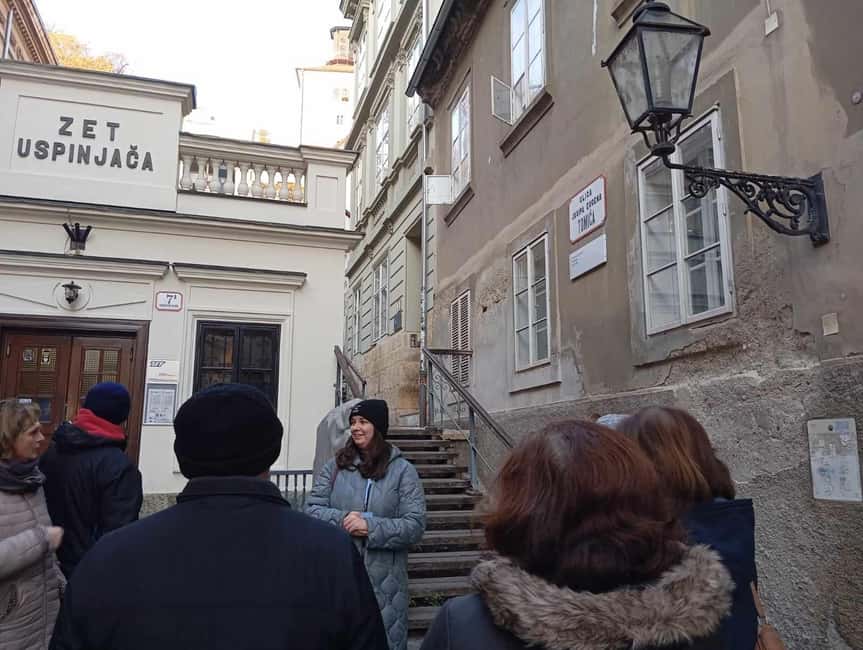
Zagreb reveals itself one story at a time. For $23, this two-hour walking tour links the city’s key sights with local legends, everyday culture, and useful food tips. I especially like the route through Dolac Market and Upper Town, and the friendly, personal guiding praised by many participants, particularly from Ivana. The main drawback is pace: there is a lot to cover, and the tour is not suitable for wheelchair users or people with mobility impairments.
This is a strong first look at Zagreb rather than a deep visit inside its monuments. You will see the Cathedral, Stone Gate, St. Mark’s Square, Lotrščak Tower, the funicular route, and Grič Tunnel, but the focus is on the streets and stories between them. Bring water, wear comfortable shoes, and remember that food and drinks are not included.
In This Review
- Five useful things to know before you book
- Why this $23 Zagreb walk offers good value
- Starting at Manduševac Fountain and Ban Jelačić Square
- Zagreb Cathedral and the route toward Dolac Market
- Tkalčića Street and Krvavi Most
- Stone Gate, a living place of devotion
- St. Mark’s Square and Croatia’s political center
- Lotrščak Tower and the daily cannon
- The funicular story and Grič Tunnel
- The guiding style: stories, questions, and useful tips
- How to prepare for the two-hour route
- Who should book the Discover Zagreb Tour?
- Should you book it?
- FAQ
- Where does the Discover Zagreb Tour meet?
- Where does the tour finish?
- How long does the tour last?
- What language is the tour offered in?
- What is included in the price?
- Are food and drinks included?
- Does the tour visit Dolac Market?
- Is the funicular operating during the tour?
- Is the Grič Tunnel visit always included?
- Is the tour suitable for wheelchair users?
Five useful things to know before you book
- The route starts at Manduševac Fountain: Meet beside the fountain on Ban Josip Jelačić Square, where your guide will hold a Discover Zagreb Tour sign.
- Dolac Market adds a local-food angle: You will hear about Croatian cuisine while walking through Zagreb’s main market area.
- Upper Town supplies the legends: Stone Gate, St. Mark’s Square, and Lotrščak Tower bring the city’s past to life through stories rather than a string of dates.
- Grič Tunnel is part of the route: The tunnel visit is not included when special events are taking place there.
- The funicular is currently out of service: You can learn its story and see the route, but comprehensive renovation means it is not operating.
- The tour is best for mobile walkers: Expect city streets, slopes, and steps, with no stated wheelchair access.
Why this $23 Zagreb walk offers good value
At $23 per person, this is a fairly priced introduction to central Zagreb. You get a licensed local guide for two hours, and the route covers the places most first-time visitors want to locate. That matters because Zagreb’s center is compact but divided between the lower city and Upper Town, with small lanes and changes in elevation that are easy to miss when you wander alone.
The real value comes from interpretation. You can photograph a market, a church, or an old tower without understanding why it matters. A local guide connects each place to Zagreb’s development, customs, legends, and present-day life. Past participants repeatedly praised the guides’ English, warmth, and willingness to answer questions.
The tour does not include food or drinks, so treat the $23 as the cost of orientation, not a tasting tour. Dolac Market is a good place to continue on your own afterward, especially if you want to sample Croatian food or buy something for later.
Group size may vary. Several people described small groups of two or three, while one couple had what felt like a private tour. That can make a big difference. A small group allows more questions and often gives the guide room to adjust the emphasis, though you should not assume every departure will be private.
Free cancellation is available up to 24 hours before the start time, and you can reserve now and pay later. The tour is offered in English.
Other Zagreb trips people book alongside this one:
- From Zagreb: Plitvice & Rastoke Guided Day Trip with Ticket
★ 4.9 · 2,955 reviews - Zagreb: Rastoke & Plitvice Lakes Guided Tour with Ticket
★ 4.9 · 1,897 reviews - Communism & Croatian Homeland War Tour
★ 5.0 · 1,355 reviews
Starting at Manduševac Fountain and Ban Jelačić Square
The meeting point beside Manduševac Fountain is practical and central. Ban Josip Jelačić Square is Zagreb’s main urban meeting place, so it gives you a clear starting point rather than sending you to an obscure side street. Look for the guide holding a Discover Zagreb Tour sign.
The opening section introduces Zagreb and its culture before the walk heads toward the Cathedral. This is useful if you have just arrived because the square helps you get your bearings quickly. You will also return to Ban Josip Jelačić Square at the end, so the tour forms a convenient loop through the old center.
The square is not simply a place to gather. It remains part of daily city life, which fits the tour’s main idea: Zagreb’s important historic locations are still used by local people. That approach makes the walk feel less like a parade of monuments and more like an explanation of how the city works.
Zagreb Cathedral and the route toward Dolac Market
The Cathedral is one of the tour’s main landmarks and an important stop for understanding Zagreb’s religious and civic identity. The guide provides a spoken introduction rather than promising an extended interior visit, so think of this as context and orientation.
From the Cathedral, the route continues to Dolac Market. This is one of the best choices on the walk because food offers a quick way into local culture. You will learn about Zagreb and Croatian cuisine while seeing the city’s main market area.
I would pay close attention here and note down dishes or food places mentioned by the guide. Ivana was praised for giving practical suggestions for cafés, bakeries, restaurants, and local meals. One participant even said Ivana helped with a restaurant reservation and recommended Gostionica Ficlek, where they later ate twice.
The market is also a good reminder that a city is more than its grand buildings. If you want to return for a closer look, ask the guide what to try and when to come back. Since food is not included, budget separately for anything you buy.
Tkalčića Street and Krvavi Most
The walk then enters Ivana Street Tkalčića, commonly known as Tkalčićeva, followed by Krvavi Most Street. These stops help connect the formal sights with Zagreb’s older street life.
The tour presents these streets as places that still matter to residents, not just as backdrops for photographs. That makes them valuable early in your visit. You begin to understand how Zagreb’s central districts connect, where people go out, and how the old lanes fit into modern city life.
Krvavi Most is particularly suited to a guide-led visit because its name invites a story. The route promises legends that remain part of local culture, and this is the sort of detail you may pass without noticing on your own.
Do not expect a long stop at every point. Two hours is enough for an introduction, not a slow architectural study. If a particular street catches your interest, mark it on your map and return later.
Something different for another day:
- Best of Zagreb with the WW2 Tunnels
★ 5.0 · 973 reviews - Plitvice Lakes with Ticket & Rastoke Guided Tour from Zagreb
★ 5.0 · 966 reviews - Zagreb: Small Group Walking Tour City Center and WW2 Tunnels
★ 4.9 · 895 reviews - Zagreb: Skip-the-Ticket-Line Museum of Broken Relationships
★ 4.5 · 847 reviews
Stone Gate, a living place of devotion
Stone Gate is one of the most memorable stops because it combines history, legend, and active religious meaning. The guide explains the story behind the gate and why it remains important to many people in Zagreb.
This is where the tour’s local approach pays off. A guide can explain not only what the structure is, but how people relate to it today. You get a better sense of the difference between a preserved monument and a place that still carries personal meaning.
Keep your voice low and follow the guide’s instructions at the gate. The stop has a devotional character, so it rewards quiet attention more than a quick photograph.
St. Mark’s Square and Croatia’s political center
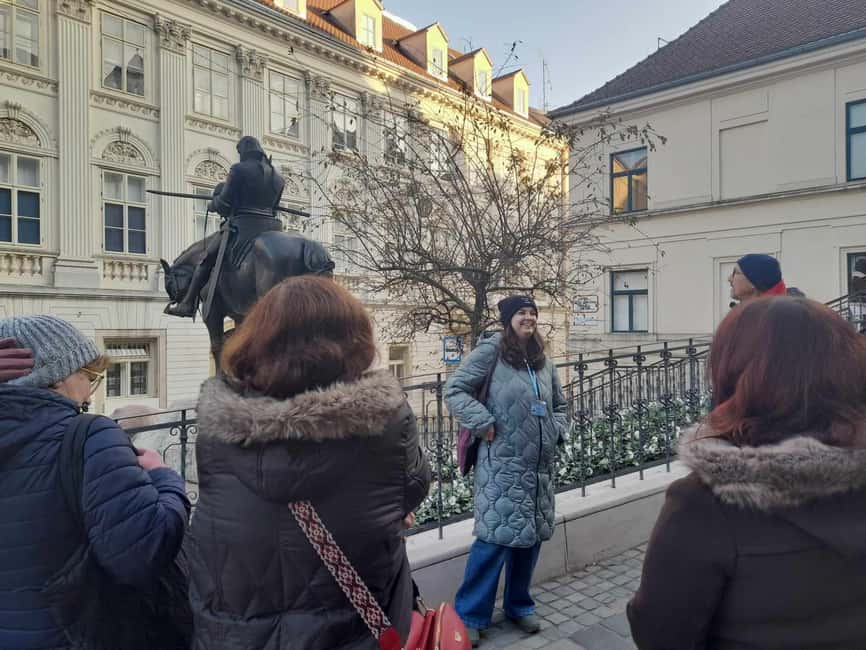
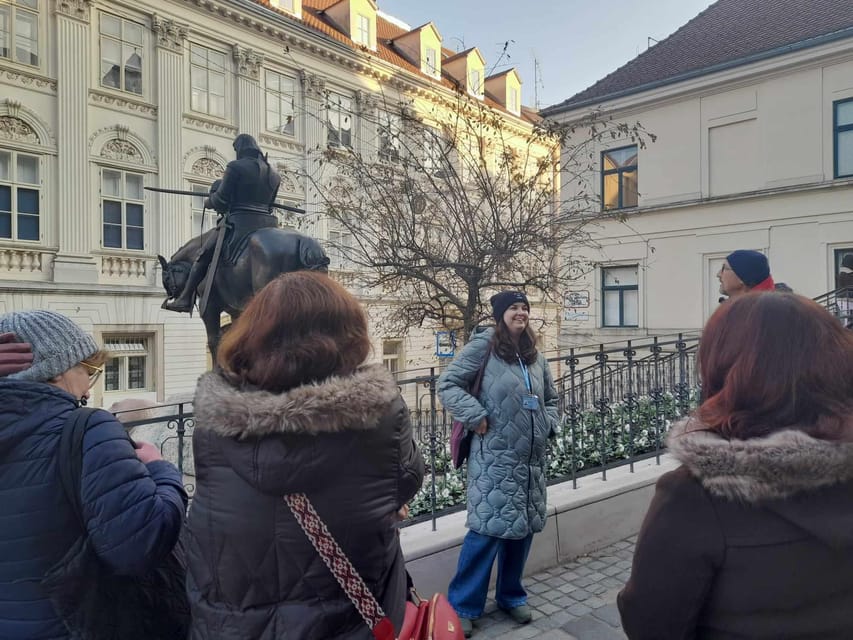
St. Mark’s Square is presented as Croatia’s main square, and the tour explains why. That gives you a useful political and national context for the Upper Town.
The square is an important lesson in how Zagreb’s historic center developed. Rather than treating it as just another pretty stop, the guide connects it to the country’s public life. Participants have praised the way the tour links history, politics, architecture, and present-day culture.
One small caution comes from the guiding style. A participant enjoyed the tour overall but felt that political discussion about the guest’s home country was unnecessary and assumed too much agreement. That sounds like an isolated concern, but it is fair advice: if you prefer a strictly neutral presentation, you may want to steer the conversation back to Zagreb.
Lotrščak Tower and the daily cannon
Lotrščak Tower brings one of Zagreb’s most entertaining details: the cannon that fires every day. The guide explains why the cannon is used, turning a simple tower visit into a story about city routines and old defenses.
This is one of the tour’s strongest moments for families and first-time visitors because it gives you a detail that is easy to remember. You leave with more than a name and a photograph. You know to listen for the cannon during the rest of your stay.
The tower also helps you understand Upper Town’s position above the lower center. You may find the route more demanding than a flat walk, especially in poor weather. Wear shoes with a good grip and bring water.
The funicular story and Grič Tunnel
The route includes the shortest funicular and the story behind it. At present, the funicular is not operating because of extensive renovation, so this is a viewing and storytelling stop rather than a ride.
That change is important if you are booking mainly for a funicular trip. You will still learn why the railway matters and how it fits into Zagreb’s transport history, but you should not count on boarding it.
The final major sight is Grič Tunnel. The tour explains the tunnel’s place in Zagreb and includes a visit when conditions allow. During special events in the tunnel, the visit is not included, so check the situation if entering the tunnel is a priority for you.
The tunnel adds variety to the route. After markets, churches, squares, and tower stories, you move through a different kind of urban space. It also helps show that Zagreb has layers beneath its familiar streets.
The guiding style: stories, questions, and useful tips
The most praised part of this experience is the guiding. Ivana is frequently described as warm, clear, and generous with her time. People valued her explanations of Croatian history and culture, as well as her practical advice on cafés, restaurants, bakeries, beer places, museums, and brunch.
That service seems to go beyond a memorized script. Ivana has answered questions unrelated to the formal route, helped a late participant catch up, and stayed beyond the planned ending in some cases. You should not assume extra time is guaranteed, but the pattern suggests a guide who cares about the quality of the visit.
Another nice touch is the licitar heart, a traditional Croatian decorative item, which Ivana gave to some participants. It is a small gesture, not part of the stated inclusions, so think of it as a possible extra rather than something promised with every booking.
Other guides have also made a good impression. Antonia was praised for an excellent two-hour walk, and the provider is Štiklec. The precise guide depends on the departure, but English communication has been a consistent strength.
The score is 4.9 from 75 ratings, with praise focused on clear explanations, friendly personalities, small groups, and a relaxed pace. The strongest benefit is that you can ask questions instead of simply listening to a fixed audio track.
How to prepare for the two-hour route
Wear comfortable shoes. This is not a token stroll between nearby photo stops. The route crosses different parts of the center and reaches Upper Town, where streets may feel more demanding for anyone with limited mobility.
Bring water, especially in warm weather. There is no food or drink included, and the two-hour schedule may not leave room for a proper café break.
Allow some flexibility after the finish. You end at Ban Josip Jelačić Square, close to the start, but you may want to return to Dolac Market, follow up on restaurant advice, or visit a museum suggested by the guide.
Bad weather does not automatically ruin the experience. People have completed it in rain, snow, and cold, though comfort depends on your clothing. A waterproof layer and warm shoes will help more than optimism.
The tour is not suitable for wheelchair users or people with mobility impairments. If you need step-free access or a slower, fully adapted route, this is not the right choice based on the available information.
Who should book the Discover Zagreb Tour?
I would choose this tour for a first visit, a short stay, or an arrival day when you want a clear map of the center. It suits people who prefer stories and local advice over a long lecture packed with dates.
It is also a good option if you are deciding between a walking introduction and a vehicle-based city tour. A bus may cover more distance, but this route reaches narrow streets and historic corners that vehicles cannot use. You get closer to the old center and see how the neighborhoods connect on foot.
The tour is less suitable if you want extended time inside the Cathedral, a guaranteed funicular ride, a food tasting, or a slow photography walk. It also may feel brisk if you stop often for pictures.
Should you book it?
Book it if you want an affordable, friendly introduction to Zagreb’s old center, especially if this is your first day in town. The combination of Dolac Market, Upper Town legends, Stone Gate, St. Mark’s Square, Lotrščak Tower, and Grič Tunnel gives you a useful framework for exploring on your own.
I would book with two cautions. Confirm the funicular situation and whether a special event affects the Grič Tunnel visit. Then arrive ready to walk, listen, and ask for food recommendations. At $23, the tour offers solid value, and the chance of a small group and personal advice makes it more useful than simply collecting landmark photographs.
FAQ
Where does the Discover Zagreb Tour meet?
The meeting point is beside the Manduševac Fountain on Ban Josip Jelačić Square. The guide will have a Discover Zagreb Tour sign.
Where does the tour finish?
The tour finishes at Ban Josip Jelačić Square.
How long does the tour last?
The walking tour lasts two hours.
What language is the tour offered in?
The live guided tour is offered in English.
What is included in the price?
The price includes a licensed local guide and the guided visit to Zagreb’s must-see attractions.
Are food and drinks included?
No. Food and drinks are not included.
Does the tour visit Dolac Market?
Yes. Dolac Market is one of the scheduled stops, and the guide discusses Zagreb and Croatian cuisine there.
Is the funicular operating during the tour?
No. The funicular is currently not working because of extensive renovation. The guide explains its story and shows the relevant area.
Is the Grič Tunnel visit always included?
The tour includes Grič Tunnel, except during special events taking place in the tunnel.
Is the tour suitable for wheelchair users?
No. The tour is not suitable for wheelchair users or people with mobility impairments.
Just added around Zagreb
- Zagreb: VR 3D Immersive Film Experience – Voucher★ 4.6 · 9 reviews
- Zagreb GRAND Private Walking Tour★ 4.5 · 9 reviews
- Zagreb: Explore with an Art Historian – Private Walking Tour★ 4.9 · 9 reviews
- Croatian cuisine cooking class with Dolac market tour★ 5.0 · 9 reviews
- From Zagreb: Plitvice Lakes & Rastoke Private Tour★ 5.0 · 9 reviews
- Private Guided Tour of Ljubljana and Lake Bled from Zagreb★ 5.0 · 9 reviews
- Picturesque Samobor & Samobor Castle Half-day Tour★ 4.5 · 9 reviews
- Zagreb to Split Private Transfer via Plitvice Lakes National Park★ 5.0 · 9 reviews
Zagreb Tours, compared.
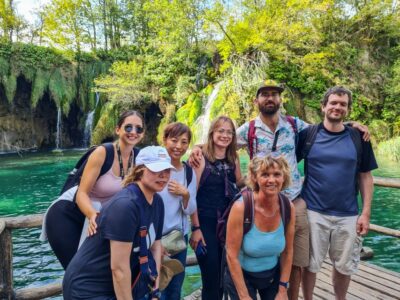
Plitvice & Rastoke Guided Day Trip with Ticket
Read our review →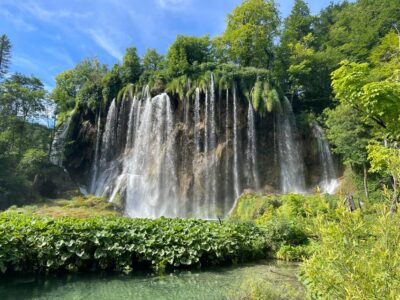
Rastoke & Plitvice Lakes Guided Tour with Ticket
Read our review →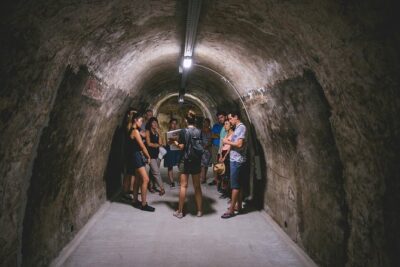
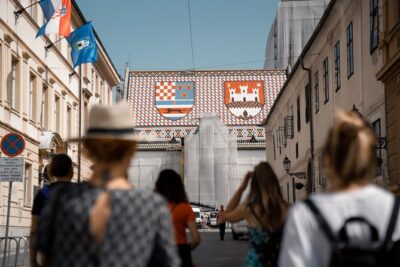
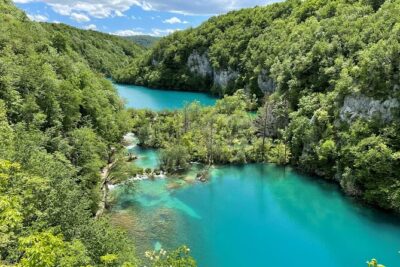
Plitvice Lakes with Ticket & Rastoke Guided Tour from Zagreb
Read our review →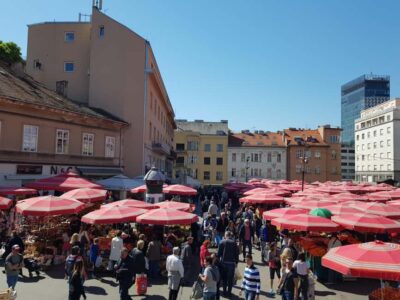
Small Group Walking Tour City Center and WW2 Tunnels
Read our review →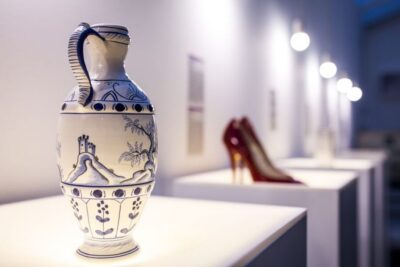
Skip-the-Ticket-Line Museum of Broken Relationships
Read our review →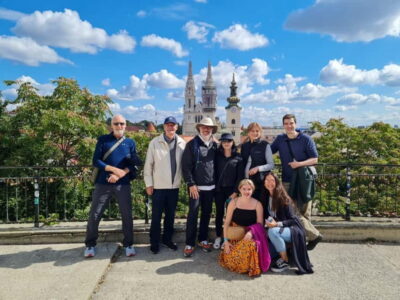
Browse the lists this tour appears in