
Reviewed · DIOCLETIAN PALACE TOURS
Split: Diocletian’s Palace Virtual Reality Experience
The palace comes back to life. This short VR show gives you a clear picture of Diocletian’s Palace in 305 A.D., when it was new and still served as the Roman emperor’s home. I especially like the air-conditioned viewing room and the way the experience helps you make sense of the ruins before you walk through them. The main drawback is its length: at roughly 12 to 15 minutes, it is a brief activity for the $15 price.
I also like the choice of six narration languages: English, Croatian, German, Italian, Spanish, and French. The story makes Split’s Roman past easier to grasp, but you should not expect a full virtual tour of every building or a long history lesson. This works best as a visual introduction, not as a replacement for seeing the palace itself.
In This Review
- Key points to know before you go
- Why this short VR visit helps you read Split
- Arriving at Diocletian’s Dream near the Golden Gate
- What happens during the 12 to 15 minute presentation
- The best way to combine VR with the real palace
- Air conditioning is a real advantage in Split
- Six narration languages make it easier to follow
- Is $15 a fair price for such a short experience?
- Who will enjoy this most?
- Practical booking advice for your day in Split
- My verdict: book it before you explore the ruins
- FAQ
- How long does the Diocletian’s Palace VR experience last?
- How much does the experience cost?
- Where does the experience start?
- Where does the activity end?
- Is entry to the real palace ruins included?
- What languages are available?
- What is the minimum age?
- Is the experience indoors?
- Can I cancel my booking?
Key points to know before you go
- See the palace in 305 A.D.: The recreation shows Diocletian’s Palace during its original Roman era, before centuries of later building changed its appearance.
- Plan for 12 to 15 minutes: It is a compact experience, so it fits easily before a walking tour or a visit to the ruins.
- Location is very convenient: Diocletian’s Dream is 50 meters from the Golden Gate and about one minute from the Greg of Nin statue.
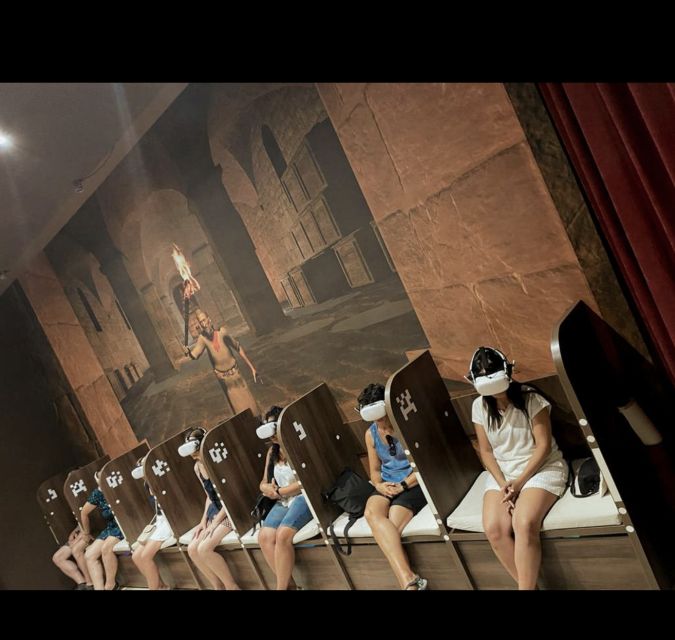
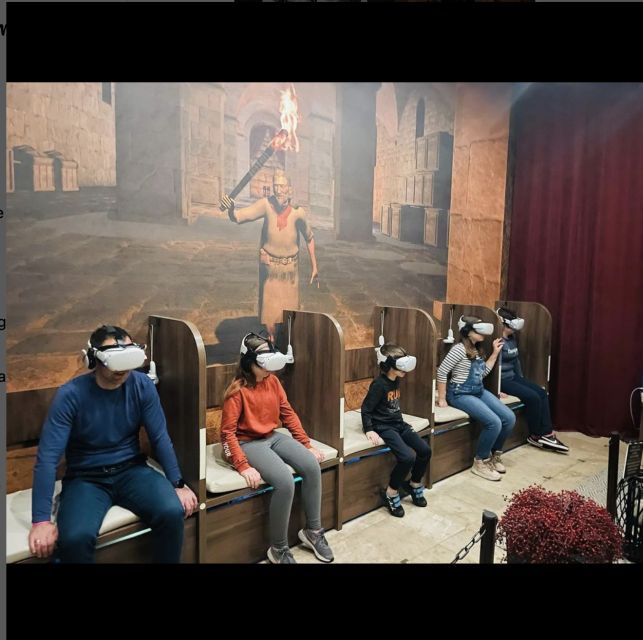
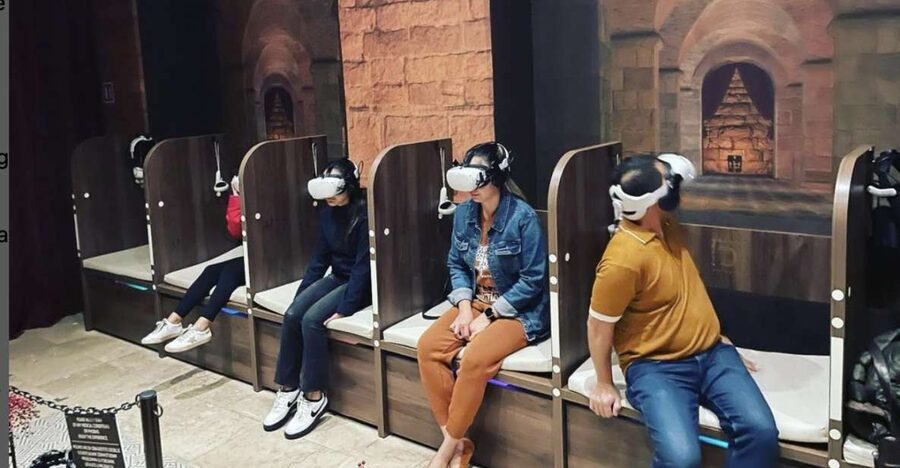
- Stay cool while sightseeing: The VR presentation takes place in a modern, air-conditioned room beside the palace.
- Choose from six languages: Narration is available in English, Croatian, German, Italian, Spanish, and French.
- Children must be at least eight: Food, drinks, and intoxication are not allowed inside.
Why this short VR visit helps you read Split
Diocletian’s Palace is not a single, neatly separated monument. It is woven into the center of Split, with streets, shops, cafés, homes, and later additions occupying the old Roman complex. That is part of its charm, but it can also make the original design hard to picture.
This is where the VR experience earns its place. It gives you a visual before-and-after comparison. First, you see an interpretation of the palace in its golden era. Then you can step outside and look at the surviving walls, gates, and ruins with a better sense of what they once formed.
I would treat it like a short orientation rather than a complete tour. You are not spending an hour examining inscriptions or moving through a long series of reconstructed rooms. Instead, you get a quick dose of Roman Split that can sharpen your eye for the real site next door.
The biggest benefit is context. Once you know that the ruins were part of an emperor’s palace, rather than simply old stone walls in the middle of town, details around you become easier to place. That is especially useful if you are visiting Split without a guide.
More ways to see Diocletian's Palace:
- Split: Old Town and Diocletian Palace Walking Tour
★ 4.9 · 4,727 reviews - Walking Tour of Split and Diocletian’s Palace
★ 5.0 · 2,588 reviews - Split & Diocletian’s Palace Walking Tour
★ 5.0 · 1,125 reviews
Arriving at Diocletian’s Dream near the Golden Gate
The meeting point is Diocletian’s Dream, located about 50 meters from the Golden Gate entrance to the palace. It is also roughly a one-minute walk from the Greg of Nin statue, so it is easy to pair with a visit to one of Split’s best-known landmarks.
That central location matters. You do not need a taxi, bus, or separate transport, and the activity ends where it begins. You can fit it into a morning or afternoon walk through the old center without building your day around a long excursion.
The setting also makes the contrast immediate. You enter a modern viewing room, then use technology to see the ancient palace. Afterward, you are only a few steps from the real remains. I like this arrangement because the transition from reconstruction to ruin happens quickly, while the images are still fresh in your mind.
Try to arrive with enough time to find the entrance without rushing. The Golden Gate and the statue of Gregory of Nin are useful landmarks, but Split’s old center can feel confusing when you are trying to follow a schedule.
What happens during the 12 to 15 minute presentation
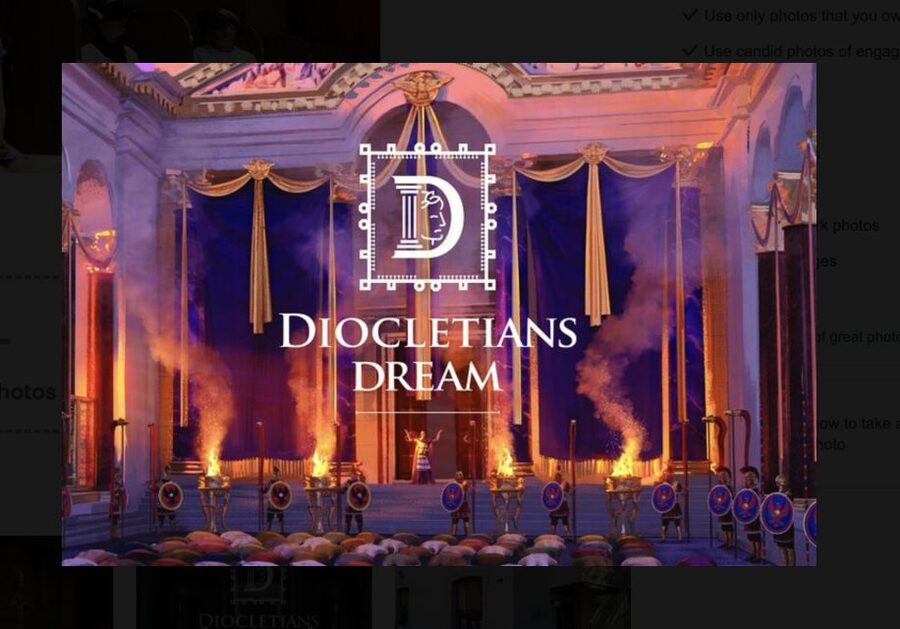
The experience takes you back to 305 A.D., the year associated with the completion of Diocletian’s Palace. A narrated visual presentation tells the story of the building, the city of Split, and the emperor Diocletian.
The exact presentation is short, but it packs several jobs into those minutes. It introduces Diocletian, shows the palace as a functioning Roman residence, and gives you a sense of how the complex looked before later changes obscured much of its original form.
The VR view is the star. One especially enjoyable feature is the ability to look above the scene, which gives you a broader sense of the palace instead of limiting your view to street level. That overhead perspective is useful because the modern city makes it difficult to understand the full shape of the old complex from the ground.
The story also tries to keep the presentation entertaining. That helps the activity avoid feeling like a dry school lesson, although the humor and storytelling are necessarily compressed by the short running time.
You should expect a guided visual story, not a free-roaming game. One fair criticism is that it may not feel like a detailed virtual tour of the palace’s individual structures. If your main goal is to inspect rooms, columns, gates, and building plans at length, the real ruins and a longer walking tour will give you more.
Still, the presentation does what a good introduction should do: it gives you a mental picture before you begin exploring on foot.
The best way to combine VR with the real palace
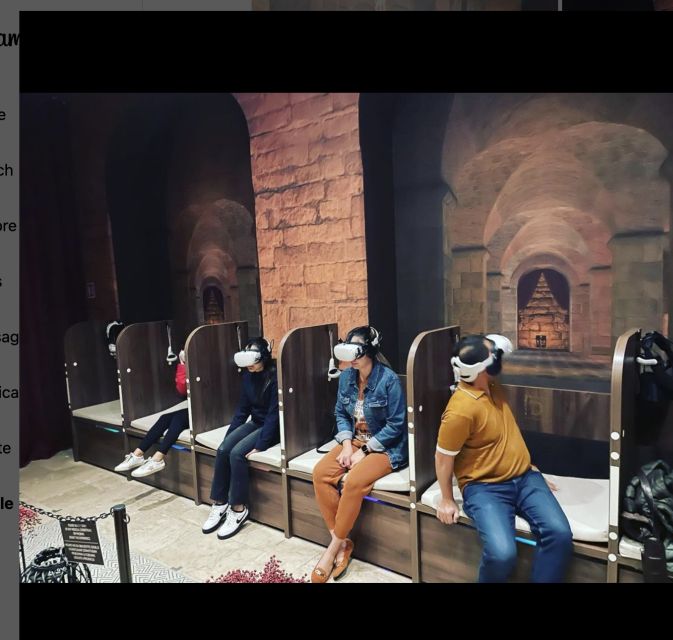
The strongest plan is to do this experience before entering or walking around the palace ruins. That order lets the reconstruction do its most useful work.
After the VR show, step outside and look again at the Golden Gate area. Notice the difference between the clean Roman version you have just seen and the layered center of modern Split. The activity can help you understand why some parts feel grand while others look fragmented.
You can also use it after a walking tour. In that case, the VR presentation becomes a second look at places you have already seen. One good pairing is a walking tour first, followed by Diocletian’s Dream, especially if you enjoy comparing the present remains with a visual version of the past.
The choice depends on how you like to sightsee:
- Before the ruins: Best for getting your bearings and understanding the original design.
- After a walking tour: Best for connecting the story to details you have already seen.
- As a stand-alone activity: Fine if you have limited time and want a quick Roman history introduction.
The VR experience does not include entry to Diocletian’s Palace ruins. That is important when you are working out your budget. You pay for the virtual presentation separately, then handle any access or sightseeing costs connected with the real site on your own.
Something different for another day:
- Split: Krka Waterfalls Trip with Boat Cruise and Swimming
★ 4.8 · 10,519 reviews - From Split: Krka Waterfalls, Food & Wine Tasting Tour
★ 5.0 · 9,326 reviews - Blue cave, Mamma Mia and Hvar, 5 islands speedboat tour
★ 5.0 · 7,150 reviews - From Split: Krka Waterfalls, Food & Wine Tasting Tour
★ 4.9 · 6,598 reviews
Air conditioning is a real advantage in Split
The modern viewing room is air-conditioned, which gives this activity practical value beyond the technology. Split can be hot, and the palace area can be crowded and exposed during the warmer months. Fifteen minutes in a cool room offers a useful pause between outdoor sightseeing stops.
This is also a good choice when the weather is unpleasant. The experience does not depend on clear skies, and you can learn about the palace without standing outdoors in heat or rain.
The room is not the destination, of course. You are paying for the VR film and historical presentation, not for a long indoor attraction. But the cool setting makes it easier to focus, particularly if you have already spent the morning walking over stone streets.
Food and drinks are not allowed, and you cannot take part while intoxicated. Those rules are simple, but they are worth knowing before you arrive.
Six narration languages make it easier to follow
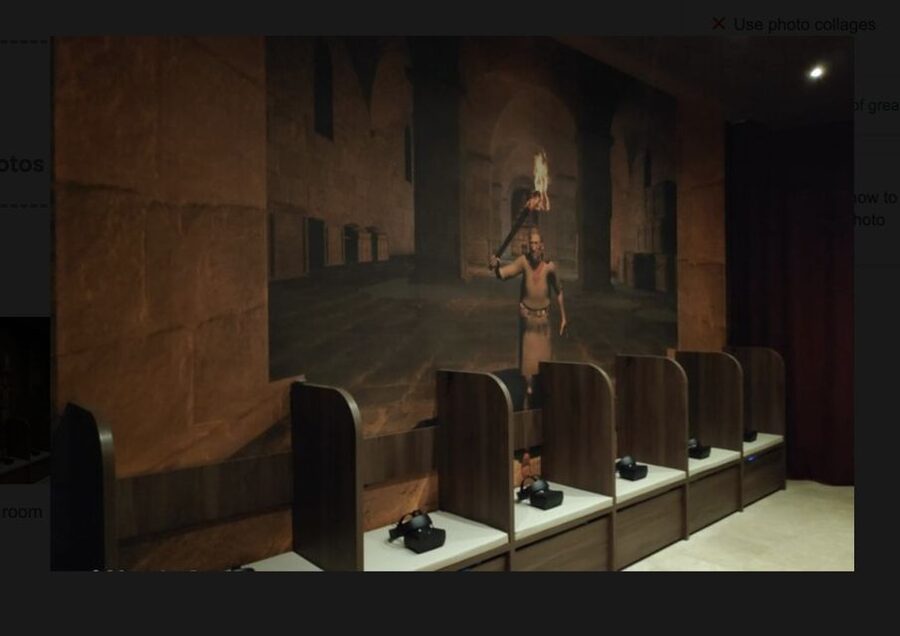
Narration is available in English, Croatian, German, Italian, Spanish, and French. That is a practical strength, especially for families or groups who do not all prefer the same language.
A presentation this short needs to communicate quickly. Hearing it in a language you understand well helps you follow the timeline, recognize the key characters, and make sense of what you are seeing without trying to decode unfamiliar terms.
If you are booking for a group, check that everyone knows which language is needed. The available choices cover many common visitors to Split, but the supplied information does not list any other options.
Because the activity combines spoken narration with visual scenes, you do not need to rely on the ruins alone to understand the basic story. That makes it more approachable for people who prefer a clear introduction before tackling a complex historic site.
Is $15 a fair price for such a short experience?
At $15 per person, the cost is reasonable if you value context, technology, and convenience. It is less convincing if you judge the activity only by its running time.
Twelve to 15 minutes is short. You are paying about a dollar per minute, so you should go in with the right expectation. This is not a half-day attraction, a full museum visit, or a substitute for seeing the palace.
The value improves when you use it as part of a larger Split sightseeing plan. It is close to the Golden Gate, requires no transport, ends at the starting point, and gives you a visual reference for the ruins. For someone with only one day in Split, that convenience may matter more than the length.
I would be more cautious if you are already an expert on Diocletian’s Palace or have booked a detailed private tour. In that case, the information may feel basic, and the short presentation may not add enough to justify the extra charge.
For most first-time visitors, the price buys a useful change of viewpoint. You see the palace not just as surviving stone, but as a planned Roman complex with an original appearance that has largely disappeared.
Who will enjoy this most?
This activity suits first-time visitors who want a fast introduction to Split’s Roman past. It is also a good match for anyone who finds ruins difficult to interpret without pictures or explanation.
Families can consider it for children aged eight and older. The technology and short format may hold a child’s attention better than a long historical talk, though younger children may still need help with the story and headset.
It also works well for:
- People visiting Split on a tight schedule
- Anyone seeking a cool indoor break
- Visitors who prefer visual learning
- Families with children at least eight years old
- People planning to explore the palace ruins afterward
- Those who want narration in English, Croatian, German, Italian, Spanish, or French
You may want to skip it if you dislike headsets, want a long guided tour, or expect a detailed room-by-room reconstruction. The experience offers a broad view of the palace rather than a complete examination of every structure.
Practical booking advice for your day in Split
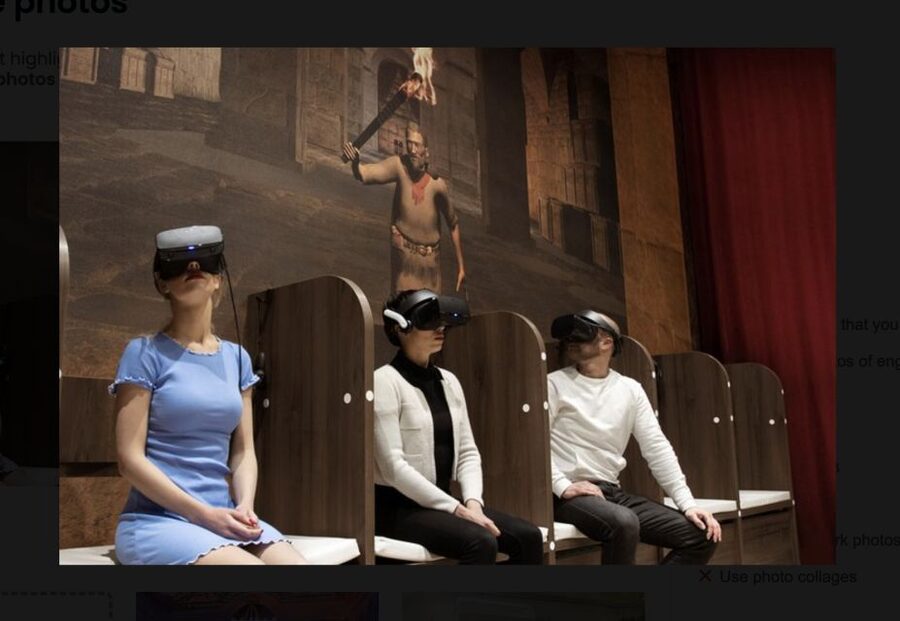
The activity accepts reservations with a pay-later option, so you can hold a place without paying immediately. You can also cancel up to 24 hours in advance for a full refund, which gives you some flexibility if your schedule changes.
The minimum age is eight, and food and drinks are not permitted. Since the attraction is next to the palace, I would book it close to the time you plan to explore the old center rather than treating it as an isolated stop.
The provider is Palace Viewing d.o.o. The meeting point and ending point are the same, so there is no need to arrange a separate pickup or return trip.
Allow extra time around the scheduled activity for the palace area itself. The VR presentation may take only 12 to 15 minutes, but the Golden Gate, Greg of Nin statue, and nearby old streets are all part of the same sightseeing zone.
My verdict: book it before you explore the ruins
I recommend booking Diocletian’s Dream if you want a short, clear visual introduction to Diocletian’s Palace. The best reason to go is the change in perspective: you see the complex as it may have looked in 305 A.D., then compare that image with the Roman remains outside.
I would not book it expecting a long attraction. The presentation is brief, and some people may want more detail about the individual structures. At $15, the decision comes down to whether a short VR film, a cool indoor break, and better context for the ruins are worth adding to your Split day.
For most first-time visitors, especially those planning to walk through the palace afterward, I think it is worthwhile. Go before the ruins if possible, keep your expectations focused on orientation rather than exhaustive sightseeing, and let the real palace complete the picture.
FAQ
How long does the Diocletian’s Palace VR experience last?
The presentation lasts roughly 12 to 15 minutes.
How much does the experience cost?
The price is $15 per person.
Where does the experience start?
It starts at Diocletian’s Dream, about 50 meters from the Golden Gate entrance to Diocletian’s Palace and a one-minute walk from the Greg of Nin statue.
Where does the activity end?
The activity ends back at the meeting point, Diocletian’s Dream.
Is entry to the real palace ruins included?
No. The Diocletian’s Palace ruins entry is not included.
What languages are available?
Narration is available in English, Croatian, German, Italian, Spanish, and French.
What is the minimum age?
Children must be at least eight years old to take part.
Is the experience indoors?
Yes. The VR presentation takes place in a modern, air-conditioned viewing room.
Can I cancel my booking?
You can cancel up to 24 hours in advance for a full refund. A pay-later option is also available, so you can reserve a place without paying immediately.
Just added around Split
- Private VIP Blue Lagoon and 3 Islands Tour★ 4.5 · 9 reviews
- Split highlights – Evening walking tour★ 5.0 · 9 reviews
- Private boat transfer Split – Bol★ 5.0 · 9 reviews
- Private Photography Activity in Split★ 5.0 · 9 reviews
- From Split: Trogir & Blue Lagoon Boat Tour with Snorkeling★ 4.6 · 9 reviews
- Bike, Beer & Poljud Stadium Tour★ 5.0 · 9 reviews
- From Hvar: Blue cave group speedboat tour full day★ 5.0 · 9 reviews
- Split Walking Tour: History, Legends & Tales★ 5.0 · 9 reviews
Diocletian Palace Tours, compared.


Walking Tour of Split and Diocletian’s Palace
Read our review →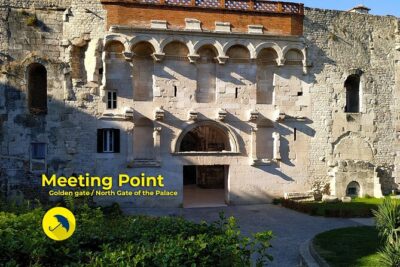

Diocletian Palace & Old Town Guided Walking Tour
Read our review →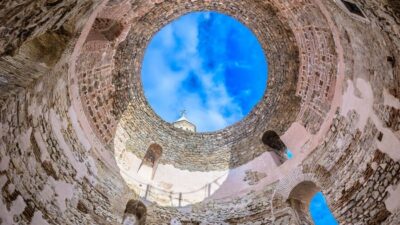
Game of Thrones Tour with Diocletian’s Palace Cellar
Read our review →
Diocletian’s Palace and Old Town SMALL GROUP Walking Tour
Read our review →
PRIVATE Walking Tour of Diocletian’s Palace & Old Town
Read our review →
Browse the lists this tour appears in