
Reviewed · COOKING CLASSES
Split Cooking Class
Come hungry and leave with new kitchen skills. This Split cooking class pairs a morning walk through the Green Market and Fish Market with hands-on cooking at a professional academy. I like the way you help choose the ingredients before cooking, and I like that the class treats food as a doorway into Dalmatian culture, not just a recipe lesson. The main drawback is the price: at $211.72 per person, this is a serious splurge, especially if you are not keen on seafood or spending much of your morning in the kitchen.
The class begins at 9:00 a.m. near Diocletian’s Palace and lasts about five hours. You work in English with a chef who has cooked in leading Croatian restaurants, then sit down to eat what the group prepared with drinks and wine. Small groups are limited to 12, though the class can feel especially personal when fewer people book.
In This Review
- Key Things to Know Before You Book
- Why This Split Class Feels Different
- 9:00 a.m. at the Green Market
- Fish Market Skills You Can Use at Home
- Inside the Cooking Academy
- Chefs Who Teach, Not Just Cook
- What You May Cook and Eat
- The Value of $211.72 Per Person
- Who Will Enjoy This Most
- Timing, Meeting Point, and Practical Advice
- Should You Book the Split Cooking Class?
- FAQ
- Where does the Split Cooking Class begin?
- What time does the class start?
- How long does the experience last?
- What markets does the class visit?
- Is the market tour included in every class?
- Is the class taught in English?
- What is included in the price?
- Is a vegetarian option available?
- Can I mention food allergies or other dietary needs?
- How many people can join the class?
- Where does the class end?
- Can I cancel for a full refund?
Key Things to Know Before You Book
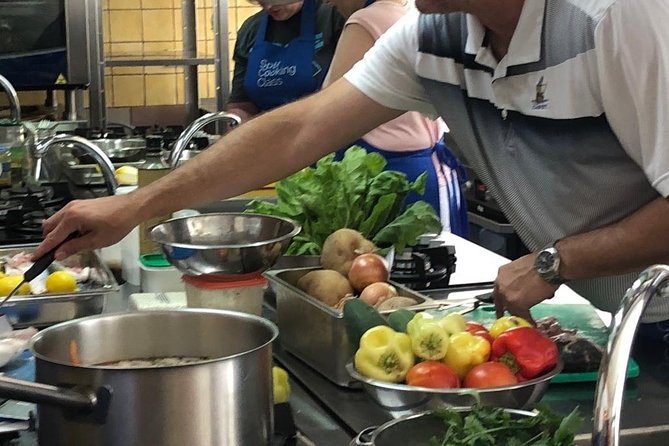
- You shop for the meal at Split’s Green Market and Fish Market, giving the class a strong local-food focus from the first hour.
- Fish preparation is genuinely hands-on, including lessons in cleaning and filleting fish.
- Chefs such as Marin, Željko, and Drago are praised for patience, clear instruction, and an easy sense of humor.
- You cook and eat a substantial meal, with classes described as including seafood, bread, side dishes, desserts, and excellent risotto, though the exact menu may change.
- The cooking school is close to the palace and walkable, making this easy to fit into a Split sightseeing day.
- A vegetarian option and classes without the market walks are available, but you need to state dietary needs when booking.
Why This Split Class Feels Different
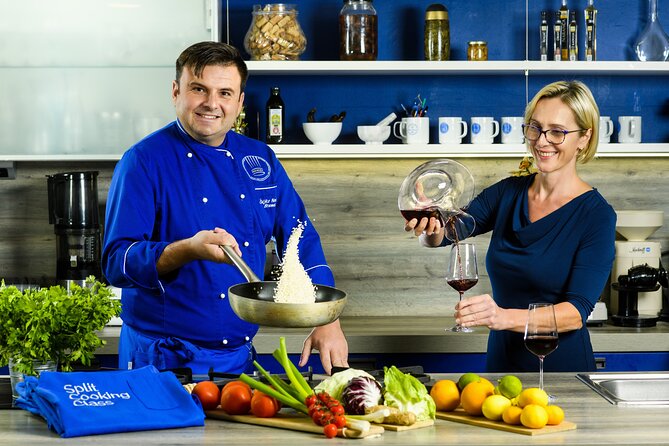
Many cooking classes begin with ingredients already measured and waiting on a counter. This one starts earlier, in the city’s food markets. That small change matters. You see what local producers and fishermen are offering, learn how seasonal the ingredients can be, and gain a better sense of what people in Split might actually cook.
The market visits also add a light city walk. The group meets at Hrvojeva 4, near the old palace, then visits the Green Market and Split Fish Market before heading to the school. Along the way, the chef shares food advice and some local history. You are not simply being moved from one activity to the next. The walk helps connect the meal to the city around you.
The class suits beginners, confident home cooks, and anyone who enjoys food. You do not need advanced kitchen skills. You should, however, expect to participate. This is not a demonstration where you sit back and watch a chef do everything.
A few more tours and experiences worth a look
- Culinary Experience – Cooking Class & Walking Tour Split
★ 5.0 · 42 reviews - Truffle hunting & cooking tour
★ 5.0 · 257 reviews - Traditional Cooking Class in Dubrovnik Countryside
★ 5.0 · 168 reviews
9:00 a.m. at the Green Market
The first stop is Split’s Green Market, known locally as the Pazar. Here, the group looks at vegetables and other fresh produce, then helps select ingredients for the meal. The exact products depend on the season and what local sellers have available that morning.
This is one of the best parts of the experience for me because it gives you useful context before the chopping begins. You can ask how produce is used in Croatian cooking, what looks freshest, and why the menu may change from one month to another. You also get a more practical look at local food shopping than you would from simply passing through the market on a sightseeing walk.
The market visit is not a long formal tour with a lecture at every stall. It is a working trip to buy ingredients, with conversation and Split background added along the way. That keeps the pace natural, but anyone expecting a detailed food tour should keep expectations in check.
You will walk through the old city and toward the fish market. The distance is not described as difficult, but the activity does involve a small amount of walking. Comfortable shoes are sensible, and you should avoid scheduling something demanding immediately afterward.
Fish Market Skills You Can Use at Home
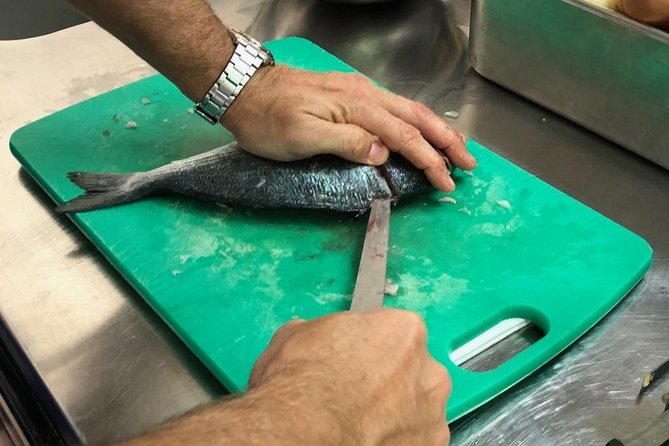
The Fish Market is where the class gains its strongest sense of place. Instead of treating fish as an anonymous ingredient, the chef explains what the group is buying and how it will be prepared. Fish preparation can include cleaning and filleting, skills that many home cooks rarely get the chance to practice.
This hands-on element receives especially strong praise. You may be shown how to handle a whole fish, prepare it for cooking, and work with seafood in a more direct way. One class even included stingray, showing how the menu can introduce you to ingredients you might not choose on your own.
That said, the exact fish and menu are not guaranteed. The class uses what is available and appropriate on the day. If seafood is not your thing, state that when booking. The class can accommodate dietary requirements, and a vegetarian option is available, but advance notice is important.
The Fish Market visit also gives you an honest look at the food culture of the Dalmatian coast. Seafood is not added as a token local touch. It can be a central part of the cooking work, so check that this matches your interests before paying the fairly high fee.
Inside the Cooking Academy
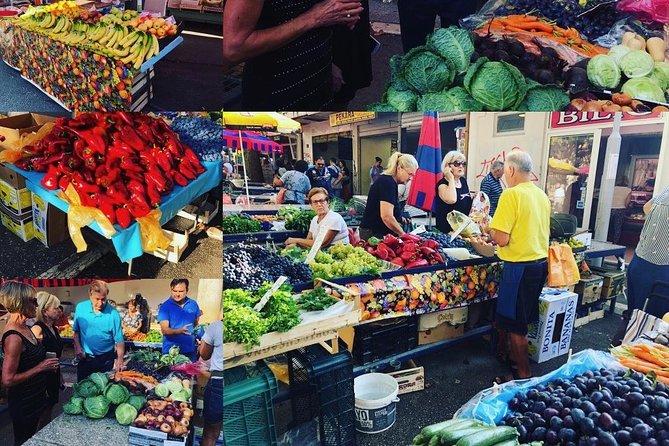
After the markets, you head to the cooking school near Diocletian’s Palace. The school has professional facilities and air conditioning, which is welcome during Split’s warmer months. It also makes the class a useful rainy-day activity, since much of the experience takes place indoors.
You may find snacks and a drink waiting when you arrive. Coffee, tea, water, wine, and other beverages are included in the experience details, and wine tasting is part of the package. The relaxed table atmosphere helps people settle in before the cooking starts.
The class size can reach 12 people. That is still manageable, but your personal time with the chef will depend on the number of participants. Smaller groups can feel almost private, while a full session requires more sharing of tasks and attention. A group of seven, for example, offers enough company for conversation without making the kitchen feel crowded.
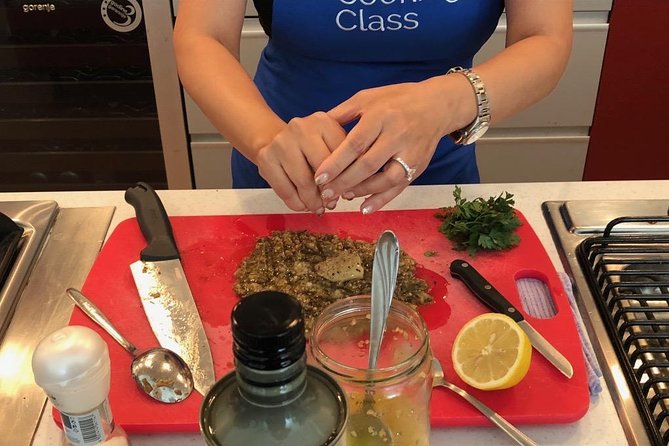
The cooking work is divided among the participants. Depending on the menu, you might help prepare fish, vegetables, bread, sauces, side dishes, or dessert. The class has also included risotto, which one participant considered the best they had ever eaten, as well as Croatian-style dishes made from scratch.
Do not expect every person to perform every step. Some parts, particularly bread and dessert, may involve more watching than the fish and vegetable preparation. The balance depends on the menu and the size of the group. Still, the overall format is active, and you should be ready to chop, stir, shape, clean, and taste.
Something different for another day:
- Split: Krka Waterfalls Trip with Boat Cruise and Swimming
★ 4.8 · 10,519 reviews - From Split: Krka Waterfalls, Food & Wine Tasting Tour
★ 5.0 · 9,326 reviews - Blue cave, Mamma Mia and Hvar, 5 islands speedboat tour
★ 5.0 · 7,150 reviews - From Split: Krka Waterfalls, Food & Wine Tasting Tour
★ 4.9 · 6,598 reviews
Chefs Who Teach, Not Just Cook
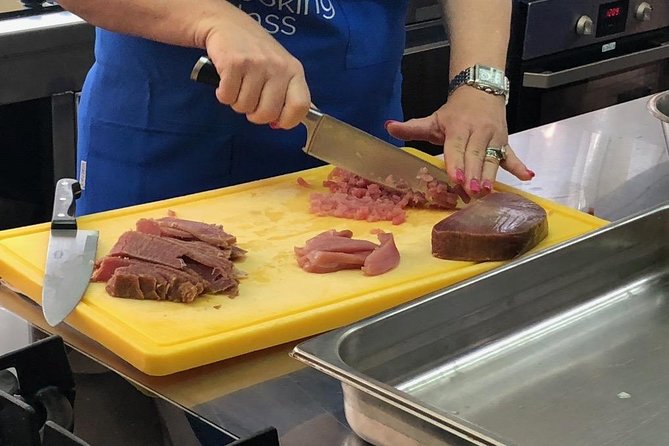
The cooking instructors are a major reason this class earns such strong marks. Marin is praised for his passion, restaurant background, and ability to turn the kitchen into a social space. Željko is described as patient and willing to answer questions, while Drago receives praise for guiding participants through each stage without taking over.
These details matter because a cooking class can become frustrating if the chef rushes or assumes too much. Here, the instruction appears suited to mixed ability levels. You can ask why an ingredient is used, how a technique works, or how to repeat the recipe at home.
The teaching also reaches beyond mechanics. Chefs explain the cultural meaning of the food and the reasons behind particular preparations. A simple vegetable dish or fish course becomes a way to understand Dalmatian habits, seasonal eating, and the importance of sitting down together for lunch.
The atmosphere is friendly and informal. Several classes have included plenty of conversation and laughter, but you are still expected to do the work. If you want a polished meal with no effort, book a restaurant. If you like learning by doing, this format is far more rewarding.
What You May Cook and Eat
The stated sample menu is simply a Croatian starter, so the full menu is not fixed in advance. Descriptions of past classes point to a larger, multi-course meal. Seafood dishes, risotto, bread, vegetables, sauces, and desserts have all appeared in different sessions.
This flexibility is a strength and a small uncertainty. A changing menu means the food can reflect the market and season. It also means you should not book with your heart set on one exact dish unless the provider confirms it directly.
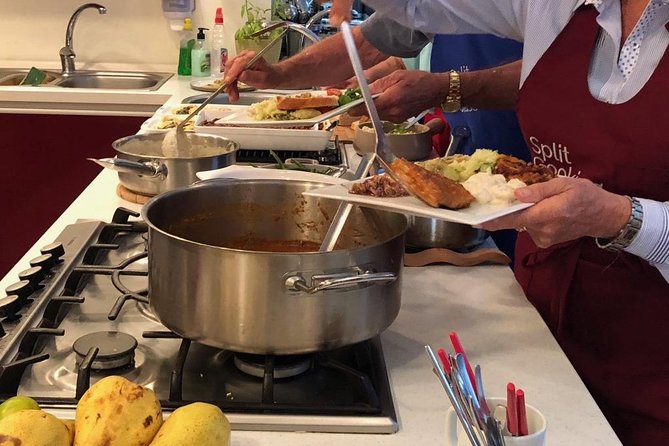
The meal is not a token tasting. You prepare enough food for a proper lunch, then sit down with the group to eat. Snacks are available during the class, and wine and other drinks are included. You should arrive ready for a long morning of cooking followed by a substantial meal.
The social part is important. Lunch is served around a shared table, reflecting the Mediterranean habit of treating food as a group activity. You get to taste your own work, compare techniques with other participants, and continue talking with the chef while the meal unfolds.
The Value of $211.72 Per Person
At $211.72, this is among the more expensive food activities you might consider in Split. You are paying for about five hours, market visits, instruction from a professional chef, ingredients, snacks, lunch, drinks, wine tasting, and use of a professional cooking school. Hotel pickup and drop-off are included only when that option is selected.
The value depends on how you use the class. If you only want to eat Croatian food, a restaurant meal will cost much less. If you want a market walk, practical seafood skills, cultural background, and a meal you helped create, the price becomes easier to justify.
I would especially consider it good value for people who cook at home and will use the techniques later. Learning to clean fish, make a sauce base, prepare bread, or build a risotto can continue paying off after your Croatian holiday ends.
Couples and families may also find the cost worthwhile because the class creates a shared memory rather than another passive tour. Still, budget-conscious visitors should compare it with a shorter market tour or a standard food tasting. The class is best seen as a half-day activity with lunch, not simply a meal.
It is also booked, on average, 49 days ahead. That suggests you should reserve early if your Split dates are fixed, especially during the busier season.
Who Will Enjoy This Most
I would recommend the class to:
- Home cooks who want practical skills they can repeat.
- Seafood lovers interested in handling whole fish.
- Couples looking for a shared activity with plenty of conversation.
- Families with older children who are happy to participate.
- People who want local market contact rather than a standard sightseeing tour.
- Visitors looking for a rainy-day plan near the palace.
It may not suit you if you dislike seafood, have very limited time, or want a quiet morning with no group interaction. The class also requires enough mobility for a short walk between markets and the school, though a version without the market visits is available.
Vegetarians should request the vegetarian menu in advance. The same applies to allergies and other dietary requirements. Do not assume the chef can adjust everything at the last minute.
Timing, Meeting Point, and Practical Advice
The class starts at 9:00 a.m. at Hrvojeva 4 in Split and ends back at the meeting point. Its location near Diocletian’s Palace makes it easy to reach on foot from much of the central area, and one practical advantage is that you can pair it with palace sightseeing later in the day.
Hotel pickup and drop-off are available if you select that option. Since the standard meeting point is central, many people may not need a transfer, but the pickup option can help if you are staying farther out.
Wear shoes suitable for walking and kitchen work. You will spend time in the markets, then move into active food preparation. Bring an appetite, but do not plan a packed schedule afterward. The class runs about five hours, and the meal, conversation, and cooking work are meant to be enjoyed at an unhurried pace.
The experience is offered in English and uses a mobile ticket. Confirmation is provided at booking. Free cancellation is available up to 24 hours before the start time, while cancellations or changes made within 24 hours are not refunded. The class also needs a minimum number of participants, so a cancellation by the operator can result in another date, another experience, or a full refund.
Should You Book the Split Cooking Class?
Book it if you want to do more than look at Split. The Green Market and Fish Market give the morning a local starting point, the chefs provide useful skills, and the shared lunch turns the lesson into a full cultural experience.
I would be more cautious if your main goal is a cheap meal, if you dislike fish, or if you prefer watching rather than cooking. For everyone else, especially people who enjoy food and conversation, this is one of the better ways to spend half a day in Split. Reserve ahead, name your dietary needs, and leave room in your schedule for a long lunch and a very full stomach.
FAQ
Where does the Split Cooking Class begin?
It begins at Hrvojeva 4, 21000 Split, Croatia.
What time does the class start?
The class starts at 9:00 a.m.
How long does the experience last?
It lasts approximately five hours.
What markets does the class visit?
The market portion visits Split’s Green Market and Split Fish Market.
Is the market tour included in every class?
Morning classes can include the vegetable and fish market visits. Classes without those market tours are also available.
Is the class taught in English?
Yes, the experience is offered in English.
What is included in the price?
The included items are beverages, lunch, snacks, wine tasting, and coffee and/or tea. Hotel pickup and drop-off are included if that option is selected.
Is a vegetarian option available?
Yes, a vegetarian option is available. You should request it when booking.
Can I mention food allergies or other dietary needs?
Yes. You should provide details about any dietary requirements at the time of booking.
How many people can join the class?
The activity has a maximum of 12 participants.
Where does the class end?
The class ends back at the meeting point.
Can I cancel for a full refund?
Yes, you can receive a full refund if you cancel at least 24 hours before the experience start time. Cancellations made less than 24 hours before the start time are not refunded.
Just added around Split
- Private VIP Blue Lagoon and 3 Islands Tour★ 4.5 · 9 reviews
- Split highlights – Evening walking tour★ 5.0 · 9 reviews
- Private boat transfer Split – Bol★ 5.0 · 9 reviews
- From Split: Trogir & Blue Lagoon Boat Tour with Snorkeling★ 4.6 · 9 reviews
- Private Photography Activity in Split★ 5.0 · 9 reviews
- Bike, Beer & Poljud Stadium Tour★ 5.0 · 9 reviews
- From Hvar: Blue cave group speedboat tour full day★ 5.0 · 9 reviews
- Split Walking Tour: History, Legends & Tales★ 5.0 · 9 reviews
Cooking Classes, compared.

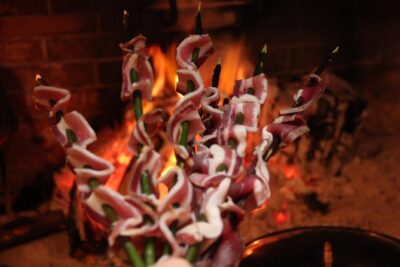
Traditional Cooking Class in Dubrovnik Countryside
Read our review →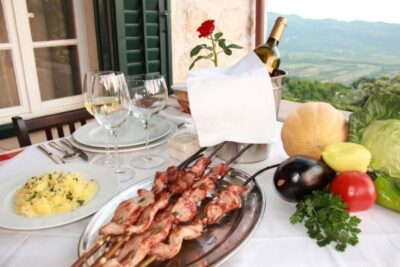
Traditional Dalmatian Cooking Class from Dubrovnik
Read our review →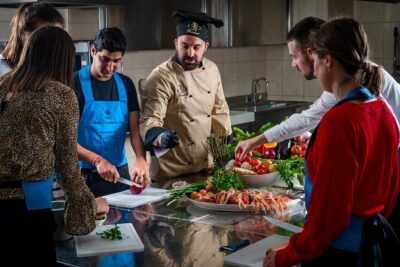
Culinary Experience – Cooking Class & Walking Tour Split
Read our review →
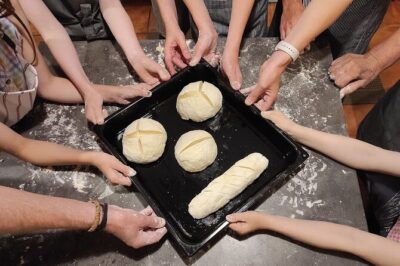
Authentic Garden to Table Cooking Class in Dubrovnik Countryside
Read our review →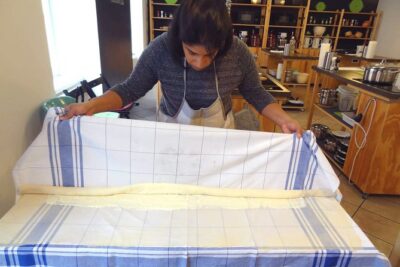
Croatian Traditional Cuisine: Peka Cooking Lesson
Read our review →Browse the lists this tour appears in