Reviewed · SPLIT TOURS
Secret Split: Socialist Architecture & brutalism – Urban Utopia
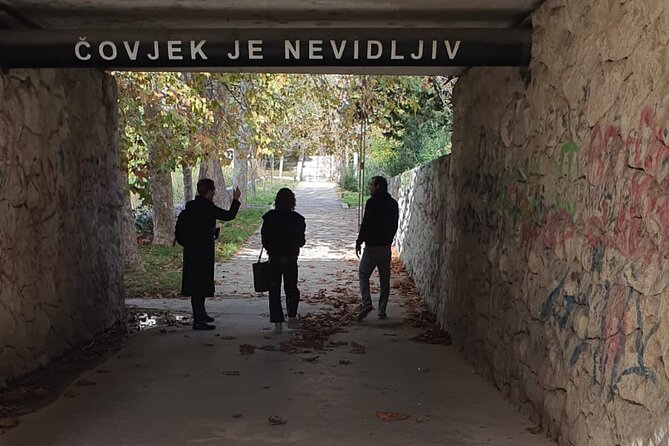
Concrete can tell a human story. This private walk leaves Roman Split behind and takes you into Split 3, a 1970s experiment in socialist city planning, where pedestrian paths, open spaces, and raw concrete were meant to support everyday life. I like the focus on a part of Split most short-stay visitors miss, and I like that the tour connects architecture with children, neighbors, artists, and community. The main consideration is price: at $113.90 per person, it makes the most sense if you care deeply about design, urban planning, or modern Croatian history.
I also like the personal scale. Only your group joins, and guide Mirjana brings clear passion for her city and its architecture. You meet a local artist or activist along the way, which gives the walk a living connection beyond buildings. The route lasts about one to three hours, so the exact value depends on how much time your group spends discussing the sites.
In This Review
- Key points at a glance
- Why Split 3 deserves time beyond Diocletian’s Palace
- Papandopulova ulica and the first look at Split 3
- A city within a city, built for ordinary routines
- Concrete, geometry, and the idea of care
- The architects behind the plan
- Art activism and modern Split
- What the private format changes
- Timing, meeting point, and practical planning
- Who will get the most from this walk
- Is $113.90 a fair price?
- Should you book Secret Split?
- FAQ
- Where does the Secret Split tour begin?
- Where does the tour end?
- How long does the experience last?
- Is this a private tour?
- What is included in the tour?
- Are admission tickets included?
- Is public transportation available near the tour?
- Can I cancel for a full refund?
Key points at a glance
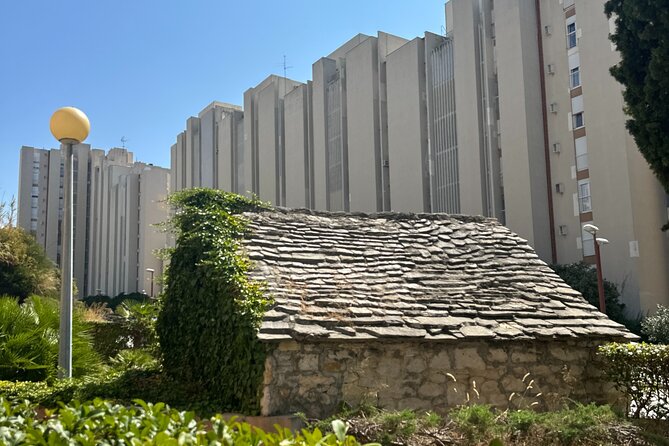
- Split 3 was a 1970s urban experiment: The plan answered rapid population growth with a city within a city.
- The area earned international attention: Split 3 appeared in the Museum of Modern Art exhibition Toward a Concrete Utopia in New York in 2018.
- The route favors daily life over ancient monuments: You walk through a residential area designed around pedestrians, open areas, and community.
- Brutalism gets a wider explanation: The tour treats concrete and geometry as tools for care, not just a visual style.
- Art activism is part of the story: One stop connects the built environment with critical communication and local creative work.
- The tour is private: Your group is the only group taking part, with a licensed guide and certified heritage interpreter.
Why Split 3 deserves time beyond Diocletian’s Palace
Split is famous for its Roman core, and rightly so. Yet the old center explains only one chapter of the city. This walk turns your attention to the 20th century, when Split was growing quickly and architects were asked to imagine a different kind of urban life.
Split 3 was planned in the 1970s as an answer to rapid population growth. It was never fully completed, but the idea was bold. Instead of simply adding blocks of housing, planners aimed to create a complete district with room for movement, social contact, children, and ordinary routines.
That makes this more than a building-spotting walk. You are looking at choices about how people should live together. The concrete matters, but so do the spaces between the buildings. Paths, open areas, and pedestrian zones show the planners trying to reduce the importance of cars and make the neighborhood work at human speed.
I find that idea especially useful in Split, where the old center can make the city seem like a place built only for the past. Split 3 shows a city still being shaped in living memory. People do not just visit it. They live there.
Other Split trips people book alongside this one:
- Split: Krka Waterfalls Trip with Boat Cruise and Swimming
★ 4.8 · 10,519 reviews - From Split: Krka Waterfalls, Food & Wine Tasting Tour
★ 5.0 · 9,326 reviews - Blue cave, Mamma Mia and Hvar, 5 islands speedboat tour
★ 5.0 · 7,150 reviews
Papandopulova ulica and the first look at Split 3
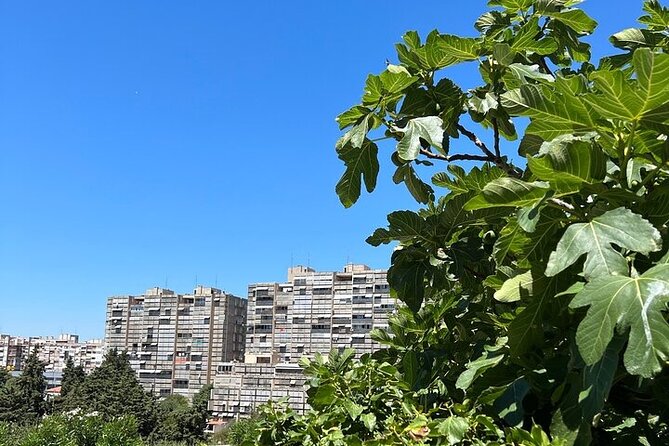
The tour begins at Ul. Šime Ljubića 3 and then focuses on the residential area around Split 3, including Papandopulova ulica. This opening section introduces the architecture that gained attention in MoMA’s 2018 exhibition Toward a Concrete Utopia.
You can expect the first part to last about 38 minutes. Admission to the sites is free, so the value here comes from interpretation rather than entry tickets. Your guide helps you read the forms, spacing, and intended use of the buildings instead of simply pointing out unusual concrete shapes.
The buildings may look severe at first. Raw surfaces and clean geometry do not offer the easy charm of a tiled old town. That is part of the point. Brutalism often asks you to slow down and consider structure, scale, and purpose before deciding if you like it.
The tour presents brutalism as more than concrete for its own sake. The style grew from ideas about function, shared space, and access to daily services. In Split 3, the architecture was connected to a wider social plan. The goal was not only to house people, but to organize a neighborhood around community life.
You might notice that this opening section is best for people who enjoy looking closely. If you prefer famous monuments with a clear visual payoff, the first impression may be less immediate. Give the guide time to explain what the planners were attempting. The clean lines and open spaces make more sense once you understand the social goals behind them.
A city within a city, built for ordinary routines
The second section lasts about 25 minutes and focuses on Split 3 as an urban project. This is where the tour moves from individual buildings to the full plan.
The phrase city within a city captures the appeal of the area. Split 3 was intended to function as more than a collection of apartment blocks. Its design aimed to support the rhythm of home, school, play, walking, and meeting other people.
The project was never fully realized, so you should not expect a perfect example of a completed utopian plan. That unfinished quality is important. It lets you see both the ambition and the limits of large-scale planning.
I like this part because it gives you a practical way to judge the neighborhood. Instead of asking only if the buildings are attractive, you can ask better questions. Where do people walk? How open does the district feel? What kind of space is given to children? How does a residential zone relate to the rest of Split?
The route emphasizes a fully pedestrian zone. That detail matters. A pedestrian plan changes how a neighborhood feels and how people use it. It creates room for walking and shared space, although the tour does not promise that every part of the original vision was completed exactly as planned.
This is also the point where the wider importance of Split 3 becomes clear. The project entered the story of 20th-century architecture not just in Croatia, but beyond it. Its place in the New York MoMA exhibition confirms that the district has interest for people who follow modern architecture and urban design.
You will get the most from this section if you are willing to think about policy and daily life. It is less about taking a quick photograph and more about understanding why the neighborhood looks and works as it does.
Concrete, geometry, and the idea of care
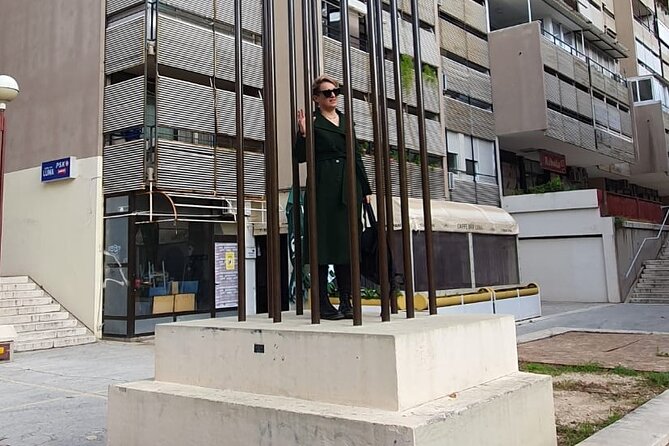
Many people hear brutalism and picture hard concrete, dark interiors, and giant institutional buildings. This tour offers a broader reading. It asks you to consider how a strong visual style could support a generous social aim.
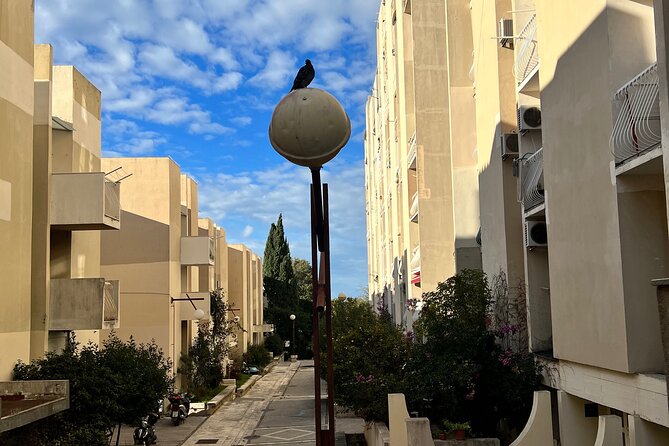
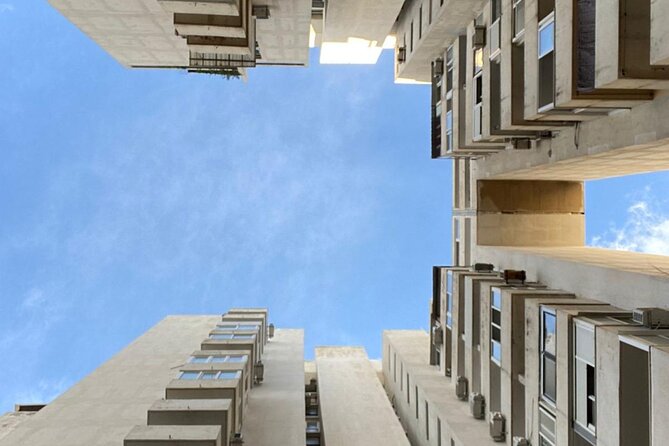
The buildings of Split 3 use raw materials and clear geometric forms. Those choices can feel cold, but they also make the design easy to read. You can see the structure, the edges, and the relationship between built areas and open spaces.
The central idea is that architecture can express care through planning. Care may mean giving people safe routes to move through a district, creating space for children, or shaping a neighborhood around shared daily needs. The walk does not ask you to admire every building. It gives you enough context to understand why the architects believed in this approach.
That balance is one of the tour’s strengths. It is not a nostalgic celebration of socialism, nor is it a simple attack on the period. The experience treats Split 3 as a real project with serious ideas, incomplete results, and an ongoing effect on local life.
I appreciate that direct approach. Urban plans often look tidy on paper, while actual neighborhoods are more complicated. Here, you can consider both the ambition and the gap between a plan and what finally gets built.
Something different for another day:
- From Split: Krka Waterfalls, Food & Wine Tasting Tour
★ 4.9 · 6,598 reviews - Split/Trogir: Blue Cave, Mamma Mia, Hvar and 5 Island Tour
★ 4.6 · 6,320 reviews - Blue Lagoon & 3 Islands Cruise with Lunch from Split
★ 4.5 · 5,756 reviews - Split: Old Town and Diocletian Palace Walking Tour
★ 4.9 · 4,727 reviews
The architects behind the plan
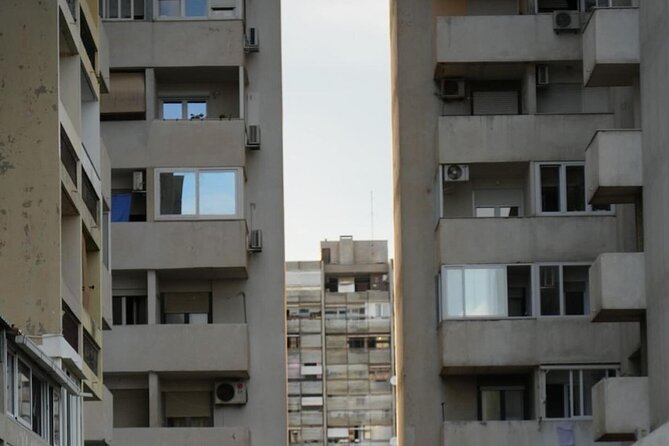
The tour also introduces the architects who shaped Split 3 and the beliefs behind their work. The supplied details do not name each architect, so you should not expect a list of famous names as the main attraction. Instead, the focus is on the ideas that guided the project.
Those ideas included pedestrian movement, community use, and a more complete residential setting. The architects were not merely arranging apartment blocks. They were trying to form a social environment.
This helps explain why the walk is valuable even if you are not an architecture specialist. You do not need technical training to notice an open path, a large communal area, or a building that changes how you move through a neighborhood. The guide supplies the context that turns those observations into a story.
Mirjana is specifically praised for her passion for Split and for making the time feel personal. That matters on a subject that can easily become dry. A good guide can help you see the difference between a plain concrete wall and a design choice tied to a larger way of thinking.
Because the tour is private, your group can likely spend more time on the questions that interest you. The supplied information does not promise a fixed level of customization, so I would treat this as a benefit of the format rather than a guarantee of a fully tailored route.
Art activism and modern Split
The third stop lasts about 35 minutes and turns toward art activism in Split. This section connects architecture with critical communication, giving the tour a wider cultural reach.
That connection is useful. Buildings do not exist apart from the people who use them, question them, decorate them, or challenge the ideas behind them. Art and activism can reveal tensions that a purely architectural walk might miss.
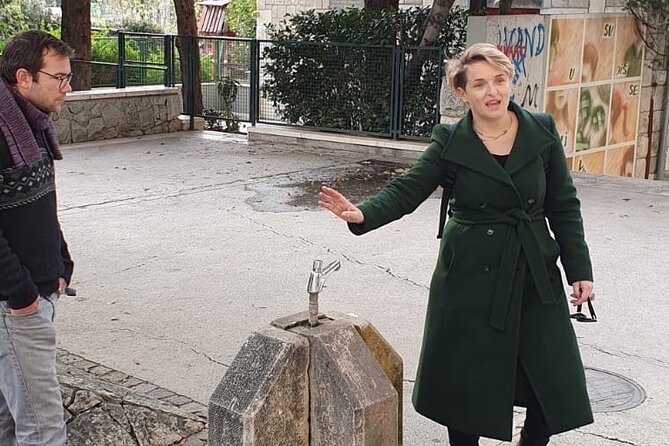
You also meet a local artist or activist during the experience. This is one of the most distinctive elements of the tour because it brings a current local voice into a walk about a historic urban plan. The available information does not identify the artist or activist, so the exact format may vary.
For you, the value is personal contact rather than a formal museum visit. You are not only looking at old plans and concrete forms. You are hearing how creative work responds to the need for clear, critical communication in the city.
This section may appeal most if you like the connection between public space and public debate. If your interest is limited to architecture, it still adds useful context. It shows that the story of Split 3 did not end when the buildings were finished or when the plan remained incomplete.
What the private format changes
This is a private activity, and only your group takes part. That is a meaningful difference from a large walking tour, especially when the subject depends on discussion and close observation.
You can ask why a path was arranged in a certain way, how the project responded to population growth, or what brutalism meant in the former socialist setting. You are not trying to hear over a crowd or waiting for a long line of people to move between points.
The tour includes a licensed tourist guide and certified heritage interpreter. Mirjana’s reported passion is a strong reason to choose this experience if you value a personal guide rather than a standard script.
The group format also affects price. At $113.90 per person, this is not a budget sightseeing walk. Yet the price may feel more reasonable if several people share the private booking and you want a specialist subject presented at your group’s pace. Group discounts are available, though the exact discount is not stated.
If you are traveling alone and paying the full amount yourself, the cost requires more thought. Split has many inexpensive ways to explore its historic center. This tour earns its higher price only if modern architecture, planning, and local creative life are central interests for you.
Timing, meeting point, and practical planning
The listed duration is about one to three hours. That is a wide range, so plan for a flexible experience rather than a tightly timed 90-minute route. The three sections together are listed at 38, 25, and 35 minutes, which suggests substantial discussion and movement between areas.
The meeting point is Ul. Šime Ljubića 3, 21000 Split, Croatia. The walk ends back at the same meeting point, a useful detail if you are arranging lunch, transport, or another activity afterward.
The experience is listed near public transportation, and most people can participate. Service animals are allowed. No separate admission fees are included because the listed stops have free admission.
The operating information gives hours from Monday through Thursday, 8:00 AM to 7:00 PM, for the stated availability period ending September 7, 2026. Check your selected date carefully when booking, since the available schedule may not cover every day of the week.
A mobile ticket is available, and confirmation is received at booking. Free cancellation applies if you cancel at least 24 hours before the start time. Inside that 24-hour window, the amount paid is not refunded, and changes are not accepted.
Who will get the most from this walk
I would choose this for you if you enjoy:
- Modern architecture and brutalism
- Socialist-era history and design
- Urban planning and pedestrian districts
- Questions about how cities shape social life
- Local art and activism
- Small private tours with room for conversation
It is also a good choice if you have already seen Diocletian’s Palace and want a different view of Split. The walk gives you a modern counterpart to the ancient center. One tells the story of an imperial palace. The other asks how a growing city could house people and support community in the 20th century.
I would be more cautious if your time in Split is very short and this is your first visit. The Roman center remains the city’s main introduction, and this tour will not replace it. I would also think twice if you want a polished sightseeing route filled with major monuments. Split 3 is a residential area, and its appeal depends on your willingness to look beyond postcard beauty.
Is $113.90 a fair price?
The price is high for a walk with no paid entry tickets. You are paying for private guiding, specialist interpretation, local access, and the chance to explore a part of Split that many standard tours skip.
The value improves if you are traveling as a group and can use the group discount. It also improves if you would otherwise spend hours reading about socialist planning, brutalism, and Split 3 on your own. A strong guide makes the buildings easier to understand and helps you connect the visual details with the city’s social goals.
The price is harder to justify if you mainly want a general introduction to Split. In that case, a less specialized city walk may cover more familiar sights for less money.
My advice is simple: book it for the subject, not just the sightseeing. If the words Split 3, MoMA, pedestrian planning, and brutalism catch your attention, the private format offers a focused way to explore them. If they do not, the price will probably feel steep.
Should you book Secret Split?
Book this tour if you want to see how modern Split works, not only how ancient Split looked. Its best qualities are the private format, the focus on a rarely visited residential area, Mirjana’s personal passion, and the meeting with a local artist or activist.
You should also book it if you enjoy architecture that needs explanation. Split 3 may not win you over at first glance, but the tour gives you a reason to look again. That is the real pleasure here: concrete becomes a record of social hopes, design choices, and unfinished plans.
Skip it if your main goal is ancient history, spectacular interiors, or a low-cost introduction to the city. For everyone else, especially people curious about cities and how they shape daily life, this is one of Split’s more thoughtful modern experiences.
FAQ
Where does the Secret Split tour begin?
The tour begins at Ul. Šime Ljubića 3, 21000, Split, Croatia.
Where does the tour end?
The activity ends back at the meeting point.
How long does the experience last?
The experience lasts approximately one to three hours.
Is this a private tour?
Yes. Only your group participates in the activity.
What is included in the tour?
The tour includes a licensed tourist guide, a certified heritage interpreter, a visit to the residential area of Split, and a meeting with a local artist or activist.
Are admission tickets included?
The listed stops have free admission, so no separate entry tickets are included or required for those stops.
Is public transportation available near the tour?
Yes. The meeting area is near public transportation.
Can I cancel for a full refund?
Yes, if you cancel at least 24 hours before the experience start time. Cancellations made less than 24 hours before the start time are not refunded.
Just added around Split
- Private VIP Blue Lagoon and 3 Islands Tour★ 4.5 · 9 reviews
- Split highlights – Evening walking tour★ 5.0 · 9 reviews
- Private boat transfer Split – Bol★ 5.0 · 9 reviews
- From Split: Trogir & Blue Lagoon Boat Tour with Snorkeling★ 4.6 · 9 reviews
- Private Photography Activity in Split★ 5.0 · 9 reviews
- Bike, Beer & Poljud Stadium Tour★ 5.0 · 9 reviews
- From Hvar: Blue cave group speedboat tour full day★ 5.0 · 9 reviews
- Split Walking Tour: History, Legends & Tales★ 5.0 · 9 reviews
Split Tours, compared.

Krka Waterfalls Trip with Boat Cruise and Swimming
Read our review →
Blue cave, Mamma Mia and Hvar, 5 islands speedboat tour
Read our review →
Blue Cave, Mamma Mia, Hvar and 5 Island Tour
Read our review →
Blue Lagoon & 3 Islands Cruise with Lunch from Split
Read our review →