
Reviewed · FOOD & DRINK
Food Tour in Split ( Small Group)
Split tastes best one small bite at a time. This 2.5-hour food walk combines the Green Market, fish market, traditional bakeries, and family-run eateries with stories about how Split eats today. I especially like the small group of no more than 10 people and the fact that the guides grew up in the old town, so the tour aims beyond the usual restaurant circuit.
I also like the clear mix of food and place: you try prosciutto, cheese, soparnik, burek, fish-market tastes, and fritula while walking through Diocletian’s Palace. The main consideration is seasonal availability. One guest found some restaurants closed outside the main season, so a few stops or tastes may change.
In This Review
- Key points to know before booking
- Why this Split food walk is worth your time
- Starting at Hrvojeva 2 by the Silver Gate
- Green Market: the best place to begin
- Peristyle and Diocletian’s Palace between bites
- Burek at a traditional local eatery
- Split Fish Market and Mediterranean food habits
- A second local restaurant stop
- Finishing with a sweet fritula
- What the guides add to the tour
- Price, group size, and timing
- Who should book this food tour?
- Should you book the Split food tour?
- FAQ
- Where does the Food Tour in Split start?
- How long does the tour last?
- What food is included?
- How large is the group?
- What language is the tour offered in?
- Can I cancel the booking?
Key points to know before booking
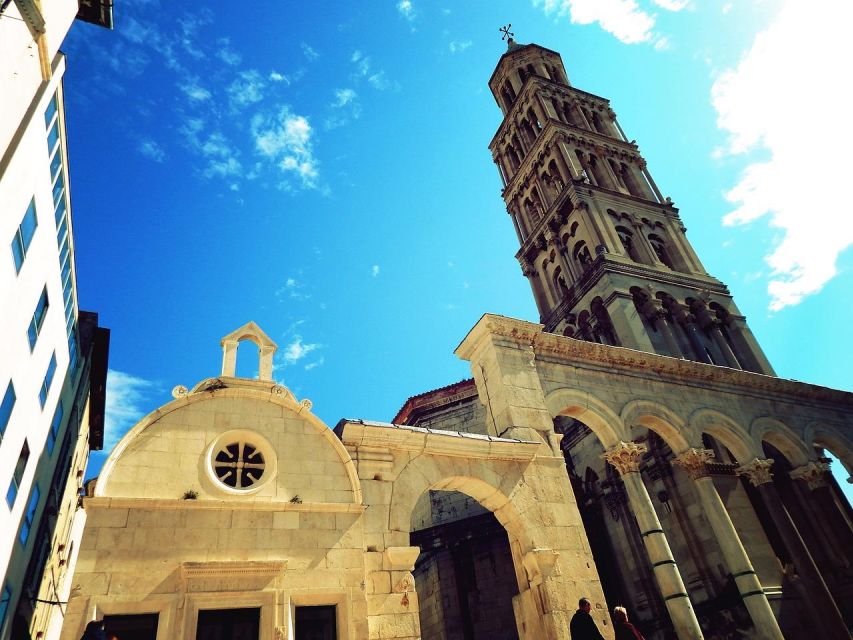
- Start beside Diocletian’s Palace: Meet at Hrvojeva 2, in front of St. Dominic Church, across from the Silver Gate.
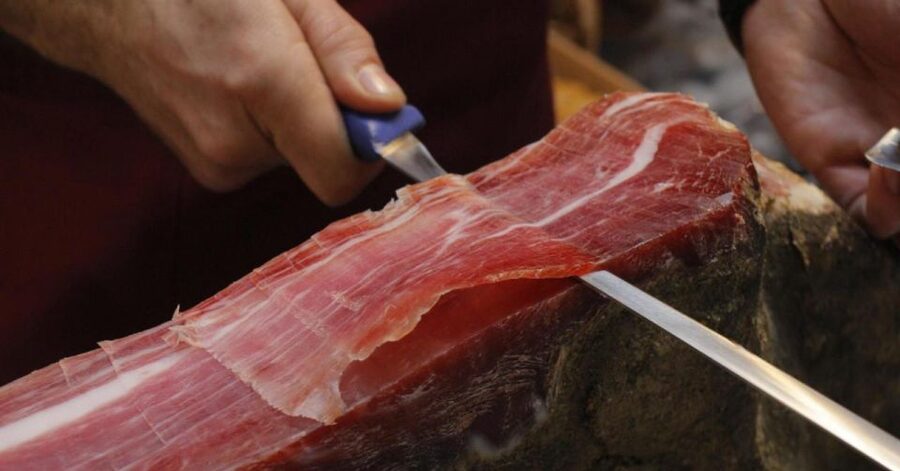
- Green Market comes first: You begin with farmers’ products such as prosciutto, cheese, and soparnik.
- Burek is a major stop: A traditional Split eatery serves both minced-meat and cheese versions of this flaky pastry.
- Local guides shape the experience: Dee Dee, Bruno, and Gita have each received praise for their friendly manner and strong understanding of Split.
- The group stays small: With a maximum of 10 participants, it is easier to ask questions and keep the walk personal.
- The ending includes fritula: A family shop specializing in traditional sweets provides the final taste.
Why this Split food walk is worth your time
A food tour can become a parade of restaurant samples with little sense of place. This one has a better idea: use food to explain Split.
You move through markets, old streets, and long-running local businesses while your guide explains how different cultures shaped the city’s eating habits. That gives the tour value beyond the food itself. You are not simply tasting a pastry. You are learning where local people shop, what they consider everyday food, and how old traditions fit into modern Split.
The route lasts about 2.5 hours, which is enough time for several stops without turning lunch into an all-day project. At $94 per person, it is not a cheap snack crawl. The price makes more sense if you value a local guide, several tastings, and a compact introduction to Split’s food culture.
The small size matters here. A group capped at 10 participants should feel more manageable than a large tour winding through narrow old-town streets. You can hear the guide more easily, ask about dishes, and get a more personal explanation of the city.
The tone also depends heavily on the guide. Dee Dee has been praised for making the experience feel friendly and personal while explaining Split’s culture and past. Bruno is described as relaxed and generous with his time, with a strong feel for the back streets and food stops. Gita has also been praised as an excellent guide, although seasonal closures affected part of one tour.
More Food Tours in Split
- From Split: Krka Waterfalls, Food & Wine Tasting Tour
★ 5.0 · 9,326 reviews - From Split: Krka Waterfalls, Food & Wine Tasting Tour
★ 4.9 · 6,598 reviews - Split: Blue Lagoon and 3 Island Cruise with Food and Drinks
★ 4.8 · 1,969 reviews
Starting at Hrvojeva 2 by the Silver Gate
Your meeting point is in front of St. Dominic Church, at Hrvojeva 2. It sits across from the Silver Gate of Diocletian’s Palace, making it a useful place to begin a walking tour through central Split.
Arrive ready to walk and eat soon after meeting your guide. The Green Market is the first central stop, so the tour gets to the food quickly rather than spending the opening stretch on a long orientation.
This location also puts you right beside one of Split’s key historic areas. As you walk, your guide connects the food stops to the city around you. That approach works well if you are new to Split and want your first meal decisions to come with a little local context.
The activity is offered in English, with a live guide. Since this is a walking tour through the old center, comfortable shoes are a sensible choice, though the supplied details do not specify accessibility conditions or the exact amount of walking.
Green Market: the best place to begin
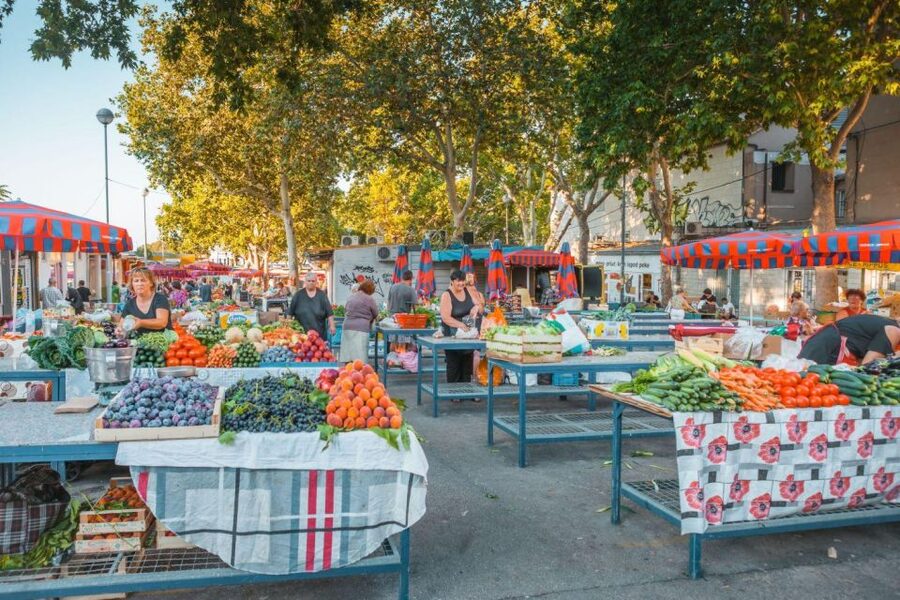
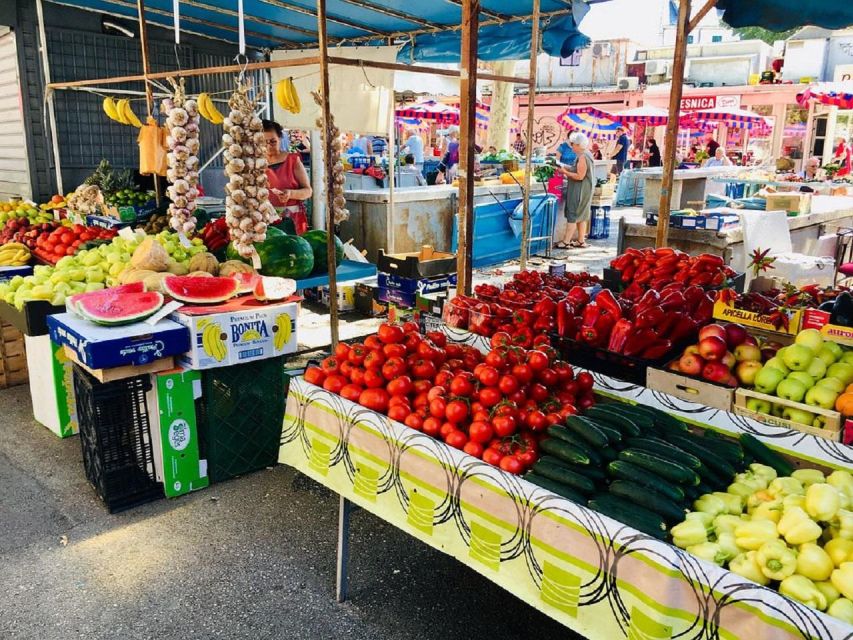
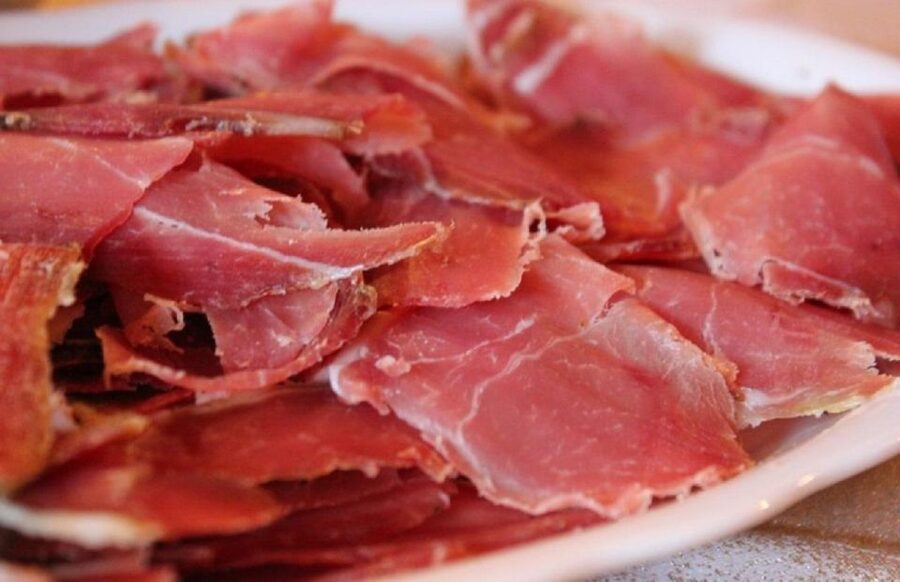
The Green Market, or Pazar, is where the food story starts. Farmers from nearby villages bring homemade products here, giving you a direct look at the ingredients that support local cooking.
You taste traditional foods including:
- Prosciutto
- Local cheese
- Soparnik
Soparnik is especially useful as an introduction to the region because it is a traditional savory pastry associated with Dalmatia. The tour gives you a chance to try it alongside cured meat and cheese, so you can compare different local flavors rather than receiving one isolated sample.
I like this opening because markets explain daily life better than a polished dining room. You see the setting where food is bought and sold, then taste products that come from that local supply chain. The stop lasts about 30 minutes, long enough for tasting and explanation without making the market visit feel like a formal shopping trip.
The market can also help you decide what to look for later in your trip. If you enjoy one cheese or cured meat, you will have a better idea of what to order in a restaurant or seek out from a food shop.
Peristyle and Diocletian’s Palace between bites
Between food stops, the guide pauses at Peristyle, the imperial square inside Diocletian’s Palace. This is not listed as a separate 30-minute tasting stop, but it gives the walk an important sense of place.
The pause helps explain why Split’s center feels different from an ordinary old town. Streets, homes, shops, and cafés sit within and around the remains of the palace complex. As the guide talks about Split’s past, you get a clearer idea of how the city’s food habits developed alongside its trade, rulers, and changing cultural influences.
This is one of the tour’s stronger choices. A food tour that ignores the city’s setting can feel disconnected. Here, the history lesson comes while you are moving toward the next dish, so it does not take over the experience.
Keep your expectations practical. The tour offers a guided stop and local stories, not a full archaeological visit or a dedicated palace tour. If you want detailed information about every part of Diocletian’s Palace, you will need a separate sightseeing experience.
Something different for another day:
- Split: Krka Waterfalls Trip with Boat Cruise and Swimming
★ 4.8 · 10,519 reviews - Blue cave, Mamma Mia and Hvar, 5 islands speedboat tour
★ 5.0 · 7,150 reviews - Split/Trogir: Blue Cave, Mamma Mia, Hvar and 5 Island Tour
★ 4.6 · 6,320 reviews - Blue Lagoon & 3 Islands Cruise with Lunch from Split
★ 4.5 · 5,756 reviews
Burek at a traditional local eatery
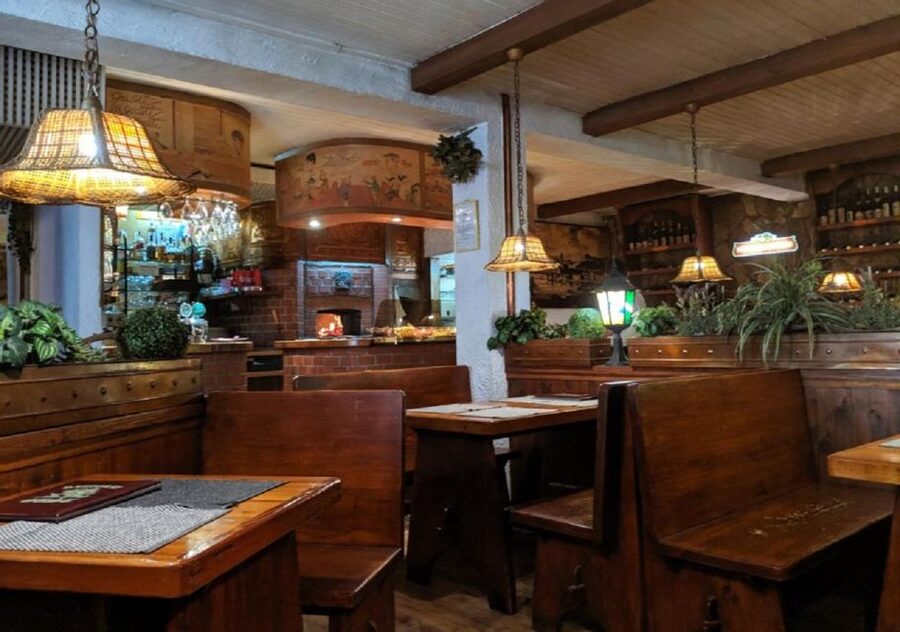
The next food stop takes you to a rare central Split eatery that has kept its old character and continues to attract local customers. Here you try burek, a baked pastry made with layers of filo and a savory filling.
The tasting includes two fillings:
- Minced meat
- Cheese
Burek is filling, crisp, and practical food. It is the sort of dish that makes sense as part of everyday life, not only as a special occasion meal. Trying both versions also gives you a useful comparison between the meat and cheese styles.
This stop may be one of the most satisfying for people who want ordinary local food rather than a restaurant dish designed for tourists. The setting is described as authentic and long-running, which gives the pastry more meaning than simply ordering one from a menu without explanation.
The tradeoff is that traditional eateries can be compact and busy. The group size helps, but you should not expect a leisurely sit-down meal with lots of personal space. This is a tasting stop, not a full lunch service.
Split Fish Market and Mediterranean food habits
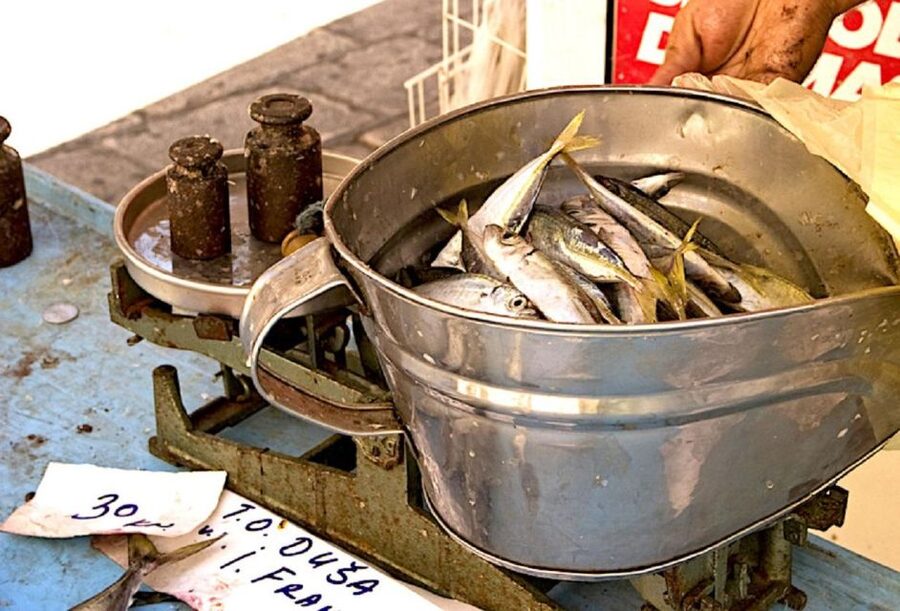
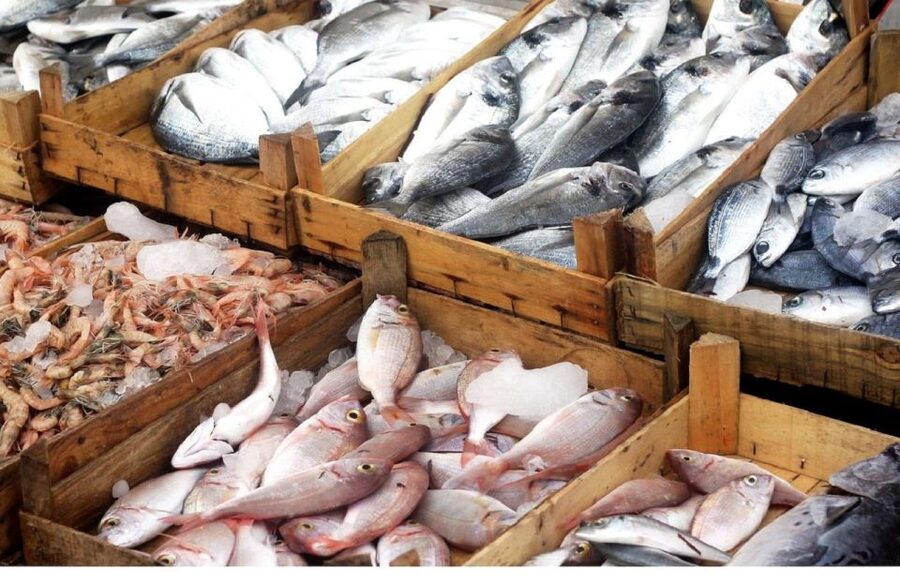
The fish market adds a different side of Split’s food culture. You have time to feel the energy of this typical Mediterranean market and sample food connected with the sea.
The stop lasts around 30 minutes and combines a market visit with tasting. Your guide explains the habits of local people and how the city’s position has influenced what appears on the table.
The fish market is valuable even if seafood is not your favorite food. It shows how food shopping works in a coastal city and gives the tour a change of pace after the bakery-style burek stop.
The supplied details do not specify the exact fish or seafood samples served. That means you should not book this expecting a particular dish. The contents may depend on the day and what is available at the market.
A second local restaurant stop
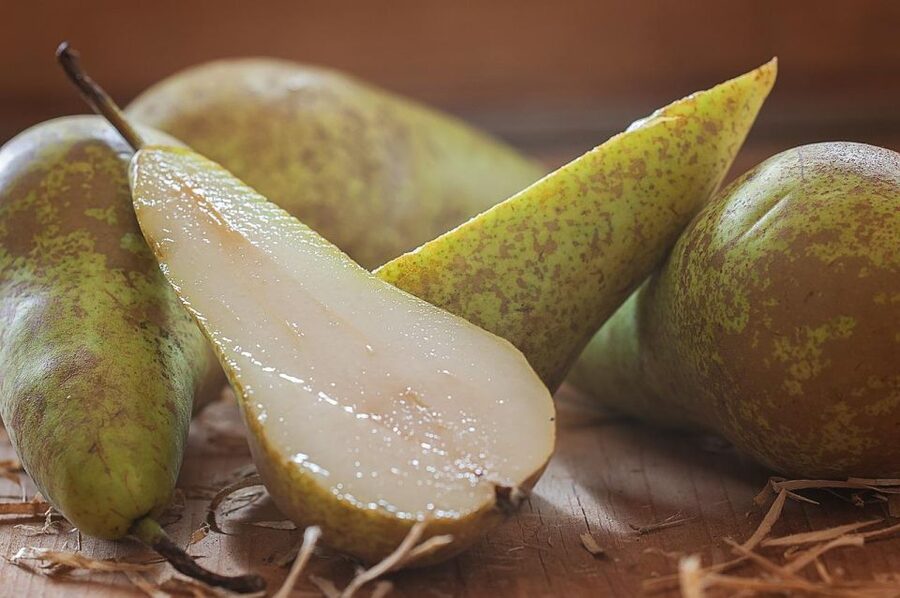
After the fish market, the route includes another local restaurant with food tasting. This stop lasts about 30 minutes.
The information provided does not name the restaurant or give a fixed menu, so the best way to view it is as a flexible part of the food route. Your guide can use this stop to show another side of Split’s traditional offer and explain how the city’s eating habits have developed over time.
That flexibility is useful, since local food tours often work better when the guide can respond to what is open and available. It also means the experience may not be identical on every date.
If you prefer a fixed menu with every dish listed in advance, this tour may feel less predictable. If you enjoy seeing how a city actually eats, the changing selection can be a plus.
Finishing with a sweet fritula
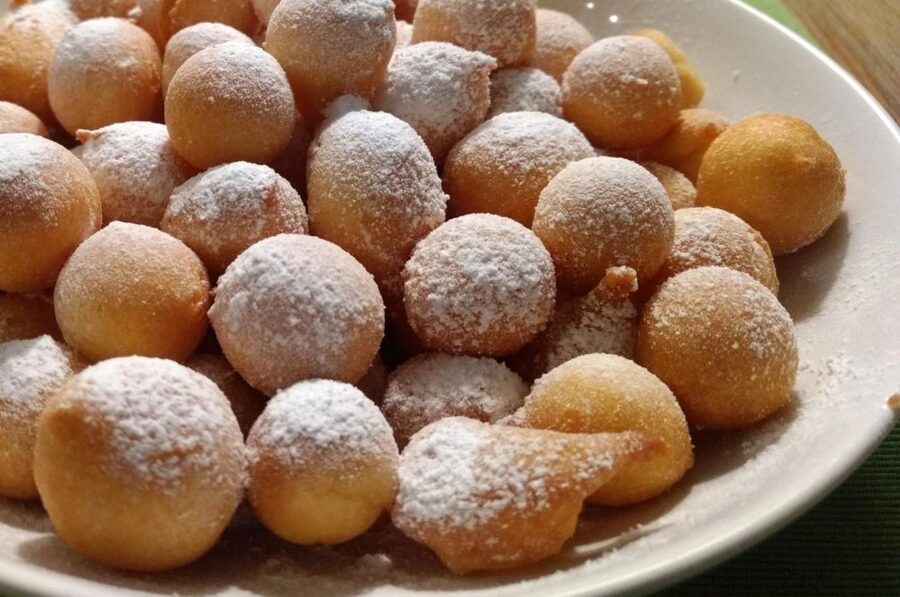
The final food stop is a family shop specializing in traditional local sweets. The featured treat is homemade fritula.
Fritula is a small sweet pastry associated with the Adriatic region. Ending with it gives the tour a simple finish after the savory foods at the market, bakery, and restaurants.
This last stop also reinforces the tour’s focus on small family businesses. You are not finishing at a large modern venue. You are visiting a shop built around traditional local products.
The route information gives the end point as Narodni trg, while the meeting information says the activity ends back at the meeting point. Because those details do not match perfectly, I would confirm the exact finishing location when booking. Either way, the tour remains within central Split and does not require transport between stops.
What the guides add to the tour
The strongest part of this experience may be the people leading it. The tour was created by locals who grew up in Split’s old town, and that background matters when the route turns into smaller streets and less obvious food stops.
Dee Dee has been praised for her friendly style and her ability to connect food with Split’s culture and past. The tone sounds less like a formal lecture and more like a walk with someone who enjoys showing off home territory.
Bruno brings a calm, laid-back manner. That can be a good fit if you prefer an easygoing tour rather than a rushed schedule. His familiarity with side streets and back-alley food places also supports the tour’s main promise: showing you where the good everyday food is found.
Gita has been praised as an excellent guide as well. Her experience points to one practical issue: some eateries may be closed outside the main season. The food itself was still described as delicious, but you should allow for substitutions or changes.
Price, group size, and timing
At $94 per person, this is a mid-to-high priced food walk. You are paying for more than the amount of food on the plate. The fee includes all tastings and a professional English-speaking guide, along with a small group limited to 10 people.
The value is strongest for a first visit to Split. In 2.5 hours, you get a quick orientation to the old center, an introduction to market shopping, several traditional foods, and suggestions about local eating habits. That can save you time during the rest of your stay.
The value is weaker if you are mainly looking for a large meal. This is a sequence of tastings, not a replacement for lunch or dinner. The exact portions are not specified, so plan your day with the expectation that you may still want another meal afterward.
Starting times vary, so check availability for the date you want. Free cancellation is available up to 24 hours before the tour for a full refund, and you can reserve now and pay later. Those terms are useful if your Split schedule may shift.
Who should book this food tour?
I would recommend it most strongly to:
- First-time visitors who want a quick introduction to Split
- People who prefer small groups
- Curious eaters who want traditional food rather than only restaurant classics
- Visitors who enjoy markets and local businesses
- Anyone who likes history explained along with a meal
- Couples, families, and small groups who want a guided start to their stay
You may want to skip it if you need a guaranteed menu, have strict dietary requirements that have not been confirmed, or want a long sit-down meal. The tour includes several tastings, but the dishes and open businesses can vary.
The tour is also a good choice early in your Split stay. You can return to the Green Market, fish market, or central food shops later with a better sense of what you are seeing.
Should you book the Split food tour?
Book it if you want Split explained through its everyday food. The best reasons are the small group, local guides such as Dee Dee and Bruno, the Green Market opening, the traditional burek stop, and the chance to connect old-town history with local eating habits.
The main caution is seasonal change. Some restaurant stops may be closed at quieter times of year, and the exact samples are not fully fixed. Still, the overall plan offers a useful and enjoyable introduction to Dalmatian flavors for $94, especially if you value personal guiding over a large meal.
With an overall rating of 4.8 from 15 reviews, the experience has a strong record, particularly for its friendly guides and food selection. I would choose it near the start of a Split visit, then use what you learn to plan the rest of your meals.
FAQ
Where does the Food Tour in Split start?
It starts at Hrvojeva 2, in front of St. Dominic Church, across from the Silver Gate of Diocletian’s Palace.
How long does the tour last?
The tour lasts 2.5 hours. Starting times vary, so check availability for your chosen date.
What food is included?
All food tasted during the tour is included in the price. Tastings include prosciutto, cheese, soparnik, burek with minced-meat and cheese fillings, food at the fish market and another local restaurant, and homemade fritula.
How large is the group?
The tour is limited to 10 participants.
What language is the tour offered in?
The live guided tour is offered in English.
Can I cancel the booking?
You can cancel up to 24 hours in advance for a full refund. The tour also allows you to reserve now and pay later.
Just added around Split
- Private VIP Blue Lagoon and 3 Islands Tour★ 4.5 · 9 reviews
- Split highlights – Evening walking tour★ 5.0 · 9 reviews
- Private boat transfer Split – Bol★ 5.0 · 9 reviews
- From Split: Trogir & Blue Lagoon Boat Tour with Snorkeling★ 4.6 · 9 reviews
- Private Photography Activity in Split★ 5.0 · 9 reviews
- Bike, Beer & Poljud Stadium Tour★ 5.0 · 9 reviews
- From Hvar: Blue cave group speedboat tour full day★ 5.0 · 9 reviews
- Split Walking Tour: History, Legends & Tales★ 5.0 · 9 reviews
Food & Drink, compared.
Blue Lagoon and 3 Island Cruise with Food and Drinks
Read our review →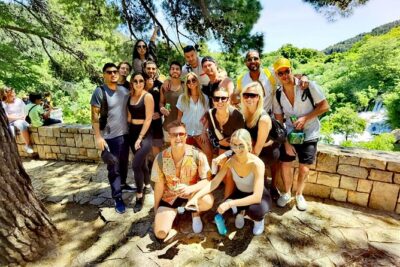
Krka National Park Tour with tour Guide & Wine tasting from Split & Trogir
Read our review →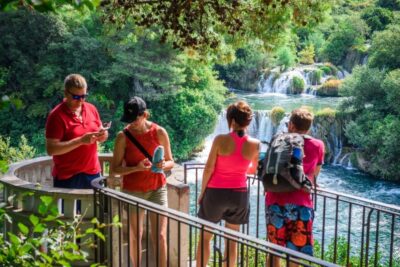
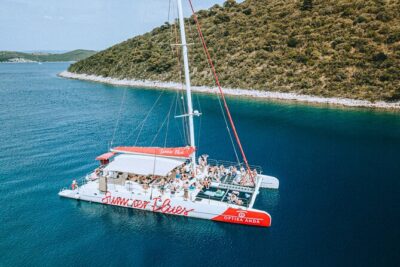
Full-Day Catamaran Cruise to Hvar & Pakleni Islands with Food and free Drinks
Read our review →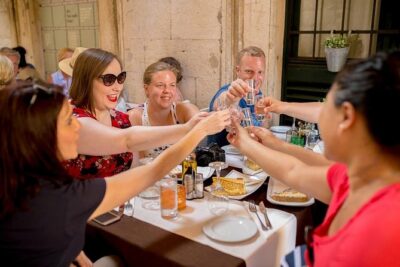
Dubrovnik Food and Drink Walking Tour with a Local Guide
Read our review →
Dubrovnik Guided Group Tour with Ston Oyster tasting from Split & Trogir
Read our review →Browse the lists this tour appears in