
Reviewed · WINE TOURS
Educational wine tasting in Split
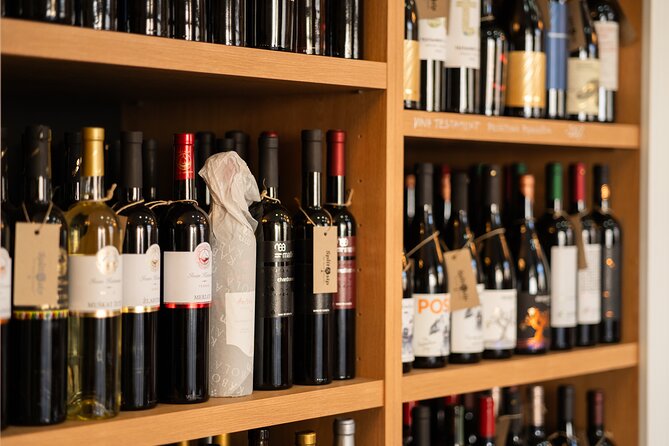
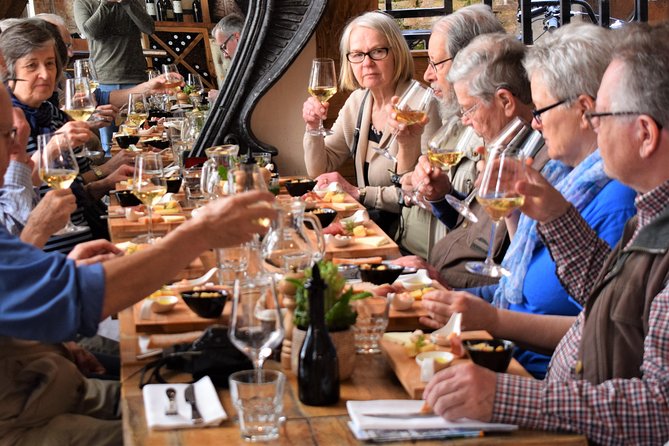
Taste Croatia one glass at a time. This Split wine tasting pairs regional wines with local cheese, prosciutto, olives, sun-dried tomatoes, and tapenade while hosts such as Sven and Kristina explain what is in your glass. I like the strong local focus and the relaxed teaching style. I also like that beginners and serious wine drinkers can both take something useful away.
The main consideration is the short, approximately one-hour format. It gives you a lively introduction, not a full vineyard visit or a long meal, and the $57.93 price feels best if you care about learning as much as drinking.
In This Review
- Key points at a glance
- A Croatian wine lesson just outside Split’s old walls
- What you taste: wine with a proper local plate
- How the tasting unfolds in the glass
- Why the hosts matter
- The setting and the Split connection
- Is $57.93 a fair price?
- Who will enjoy this most?
- Practical tips for a smoother tasting
- How it compares with a longer wine outing
- Should you book the Split wine tasting?
- FAQ
- Where does the wine tasting start?
- Where does the activity finish?
- How long does the experience last?
- What food is served?
- How many people can join?
- Can I cancel for a full refund?
Key points at a glance
- Croatian wine takes center stage: Taste wines from different regions while learning how grapes, soil, weather, and aging shape their flavor.
- Sven brings the stories: His warm presentation covers production, history, wine technique, and regional differences without turning the hour into a lecture.
- Generous pours are part of the appeal: Some tastings include three wines, while others feature six, depending on the session.
- Local snacks do real work: Cheese, prosciutto, olives, tapenade, and sun-dried tomatoes are served to match the wine, not merely fill the table.
- The setting is easy to reach: Meet at Trg Gaje Bulata 6, just outside Split’s old walls, and finish at the same point.
- Small groups keep it personal: The maximum group size is 18, and some sessions may feel much smaller.
A Croatian wine lesson just outside Split’s old walls
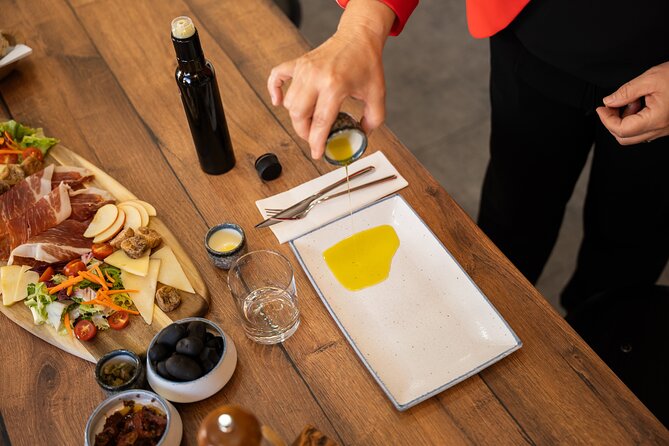
The experience begins at Trg Gaje Bulata 6, 21000 Split, a convenient meeting point near the historic center. The tasting takes place in a wine shop just outside the old walls, giving you an easy stop before or after a walk through Diocletian’s Palace.
That location matters. You do not need to arrange a taxi, find a rural vineyard, or surrender half a day to wine country. You can fit this into a morning, an early evening, or the first day of your Split visit. One useful approach is to schedule it near the start of your stay, then use what you learn to choose Croatian bottles and restaurants later.
The experience ends back at the meeting point. There is no separate transfer, sightseeing route, or second venue to navigate.
The advertised duration is about one hour. That is enough time for a focused tasting and a clear introduction to Croatian wine, but you should not expect a full meal or a long countryside excursion. The compact format is one of the strengths for busy schedules, though serious wine fans may want more time for questions.
More Food Tours in Split
- From Split: Krka Waterfalls, Food & Wine Tasting Tour
★ 5.0 · 9,326 reviews - From Split: Krka Waterfalls, Food & Wine Tasting Tour
★ 4.9 · 6,598 reviews - Split: Blue Lagoon and 3 Island Cruise with Food and Drinks
★ 4.8 · 1,969 reviews
What you taste: wine with a proper local plate
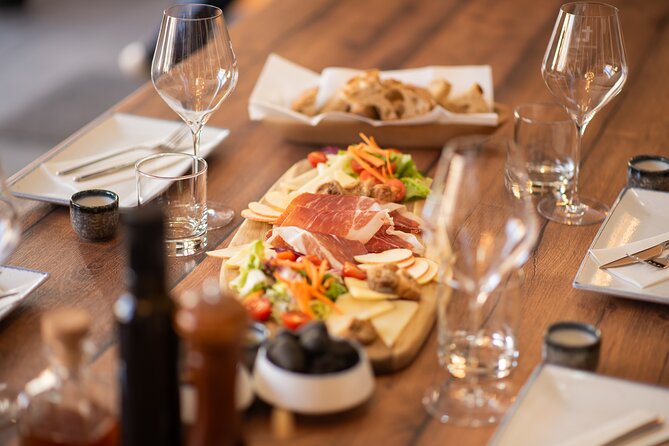
The food begins with snacks, but that plain label undersells their role. You can expect a selection of local cheeses, local prosciutto, sun-dried tomatoes, olives, and various tapenades.
This is not food placed on the table as decoration. The tasting uses the snacks to show how wine changes beside salty meat, creamy cheese, olive flavors, and savory spreads. A session may suggest combinations such as cheese with fig jam alongside a white wine. That kind of pairing advice gives you something practical to use at dinner, not just another fact to forget.
The food also helps pace the alcohol. You are not drinking on an empty stomach, and the board gives you a chance to compare a wine by itself with the same wine alongside food. If you are more interested in Croatian flavors than technical wine terms, the snack selection keeps the experience grounded.
Still, treat the charcuterie board as an accompaniment rather than lunch. The supplied menu lists snacks, not a full meal, so plan another meal if you arrive hungry. The food is best understood as part of the lesson and a taste of local produce.
How the tasting unfolds in the glass
The heart of the session is the explanation of Croatian wine and the differences between regions. Sven is described as an especially engaging host, and Kristina also leads tastings. Their approach covers how grapes, weather, soil, and production methods affect what you smell and taste.
You may begin with a simple guide to tasting technique. That can include paying attention to aroma, texture, acidity, and the finish rather than swallowing each sample without thought. This is useful even if you know very little about wine. You do not need polished vocabulary. You only need to notice what changes from one glass to the next.
A key lesson concerns place. The tasting connects wine style to the part of Croatia where the grapes grow, along with soil types and local growing conditions. You may learn why two wines made from different grapes, or from grapes grown in different areas, can feel so unlike each other.
The history and production side adds substance. You hear about Croatian wine traditions and the way local agriculture shapes what is poured. It is a good fit if you want your drinks tied to the country you are visiting, rather than a generic tasting of international labels.
Some sessions include three wines, while others have included six. The supplied details do not promise a fixed number, so you should think of the selection as a guided sample rather than a guaranteed flight. The repeated praise for generous servings makes the price more appealing, but it also means you should pace yourself and use the food.
Why the hosts matter
Wine tastings can go wrong when the host recites grape names and leaves you to fend for yourself. This experience puts the presenter at the center, and the strongest feature is the teaching.
Sven comes across as passionate, friendly, and easy to talk with. His presentation covers both the basics and the finer points, including regional soil, weather, production, and pairing. He also brings a storyteller’s touch, which helps the information stick. You are not simply told that Croatia produces good wine. You are given a way to understand why the bottles differ.
Kristina is also praised for clear explanations and generous pours. The experience may therefore vary slightly depending on who leads your session, but the central aim remains the same: local wine, practical instruction, and a welcoming atmosphere.
The tone suits mixed groups. A beginner can learn how to taste and pair wine without feeling tested. Someone already comfortable with wine can focus on Croatian grapes, regional distinctions, and production details. That balance is hard to achieve in a one-hour session, and it is a major reason I would recommend this over a purely decorative tasting.
Some sessions may feel almost private if attendance is low. The maximum is 18 people, so the group can be larger than a couple or small family, but it is not an enormous room full of wine glasses. A smaller turnout gives you more room to ask questions and chat with the host.
More Wine Tours in Split
- Krka National Park Tour with tour Guide & Wine tasting from Split & Trogir
★ 5.0 · 1,625 reviews - Split: Krka Waterfalls With Boat Cruise, Wine and Olive Oil
★ 4.3 · 1,507 reviews - Split/Trogir: Krka National Park Day Trip with Wine Tasting
★ 4.7 · 925 reviews - Private Full-Day Krka Waterfalls Tour with Wine Tasting
★ 5.0 · 263 reviews
The setting and the Split connection
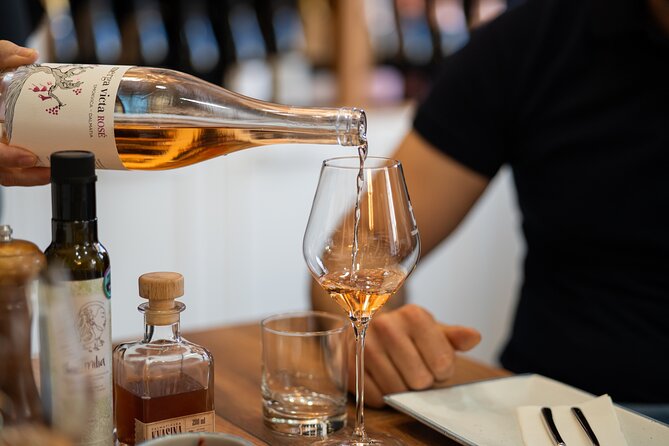
The wine shop setting gives the experience an everyday local feel. You are not being whisked away to a formal estate with a long list of rules. You meet near the old city, settle in, and focus on what Croatia produces.
That makes the tasting a smart counterpoint to Split’s grand stone monuments. Diocletian’s Palace tells you about Roman power and urban life. This experience shifts attention to farming, food, grape growing, and the people who keep those traditions going.
The location is also practical for a first-day activity. It gives you a quick introduction to local wines before you start ordering at restaurants or shopping for bottles. If you find a style you enjoy, you can ask for similar wines during the rest of your stay.
Do not expect vineyard views or a tour of the production rooms. No vineyard transport or winery visit is included in the supplied details. The value comes from the tasting and the host’s interpretation, not from scenery.
Is $57.93 a fair price?
At $57.93 per person, this is not the cheapest way to have a drink in Split. You can certainly buy a glass of Croatian wine for less. The question is what else you want from the hour.
The price includes guided instruction, a selection of Croatian wines, local cheese and charcuterie, and a setting near the old center. If you are curious about wine but would not know what to order, that guidance can prevent a few uninformed purchases. You also get a better sense of how to compare bottles, pair them with food, and recognize regional differences.
The value is strongest for people who see wine as part of culture. You are paying for context and interpretation, not only liquid. The experience also earns points for its generous servings, though the exact number of wines is not fixed in the information provided.
For someone who only wants a quick glass and a snack, the cost may feel high. For someone who wants an introduction to Croatian wine and a polished activity close to the old center, it is reasonable. I would compare it to the cost of a good meal starter plus several glasses and a private explanation. By that measure, it can work well.
Who will enjoy this most?
I would recommend it to several types of people:
- Wine beginners who want a friendly way to learn tasting basics.
- Experienced wine drinkers who want a better grasp of Croatian varieties and regions.
- Couples looking for a relaxed evening activity with food and conversation.
- Small groups who enjoy comparing impressions over several glasses.
- Food lovers interested in cheese, prosciutto, olives, tapenade, and pairing ideas.
- Short-stay visitors who need a worthwhile activity that takes about an hour.
It also works for a mixed couple, including one person who is not especially interested in wine. The snacks, regional agriculture, history, and relaxed presentation give non-enthusiasts other ways to enjoy the hour.
I would hesitate to recommend it if you want a full-day wine-country trip, a vineyard walk, or a formal meal. None of those is part of the experience. It is a compact city tasting with an educational focus.
Practical tips for a smoother tasting
Book ahead if your Split dates are fixed. The experience is booked an average of 22 days before the start date, which suggests that waiting until the last afternoon may leave you with fewer choices. The group maximum is 18, but smaller sessions are possible.
Arrive at Trg Gaje Bulata 6 with enough time to locate the wine shop near the old walls. Your mobile ticket is accepted, and the activity is offered in English.
If you have a question about a particular grape or region, ask it early. The host’s expertise is one of the best parts of the experience, and a focused question can turn a standard tasting into a useful personal lesson.
Eat lightly beforehand, but do not arrive overly full. The snacks are generous enough to support the tasting, yet they are not intended as a complete meal. If you plan to walk the old city afterward, remember that the pours can be generous.
You may also want to note the names of wines you like. The experience is designed to help you recognize Croatian styles, and that information can be handy when choosing a bottle later. Some people have bought bottles to take home after finding new favorites, though purchases are not stated as part of the tour.
Free cancellation is available up to 24 hours before the start time. Canceling or changing the booking less than 24 hours ahead does not qualify for a refund, with cut-off times based on Split’s local time.
How it compares with a longer wine outing
A one-hour tasting cannot cover all of Croatia’s wine country. It cannot show you vines, cellars, harvest work, or the countryside. If those are your priorities, you should seek a separate winery visit.
What this experience does better is efficiency. You stay in Split, taste several wines, eat local snacks, and receive a clear explanation without giving up most of your day. That is especially useful if Split is one stop on a busy coastal itinerary.
The focus is also narrower and more personal than simply ordering a bottle at dinner. A restaurant can recommend a wine, but it may not explain soil, weather, production, and tasting method in the same concentrated way. Here, the host builds a story across the glasses.
For many people, that is enough. You leave with a better sense of Croatian wine and a few ideas for what to seek next. For dedicated wine tourists, it may serve as an introduction before a longer trip into the vineyards.
Should you book the Split wine tasting?
Book it if you want a local, educational wine experience close to Split’s center. The strongest reasons are the hosts, the regional focus, the generous pours, and the thoughtful food pairings. Sven and Kristina bring warmth to a subject that can easily become stiff or technical.
The $57.93 price makes the most sense when you value the lesson, not just the drinks. Beginners should feel comfortable, while experienced wine drinkers can still learn about Croatian regions, soil, grapes, and production.
Skip it if you want a full meal, vineyard scenery, or an all-day winery adventure. But if you have one free hour and want to understand what makes Croatian wine different, this is a smart use of time in Split.
FAQ
Where does the wine tasting start?
It starts at Trg Gaje Bulata 6, 21000, Split, Croatia.
Where does the activity finish?
The activity ends back at the meeting point.
How long does the experience last?
It lasts approximately one hour.
What food is served?
The snacks include local cheeses, local prosciutto, sun-dried tomatoes, olives, and various tapenades.
How many people can join?
The maximum group size is 18 people.
Can I cancel for a full refund?
Yes. You can cancel at least 24 hours before the experience start time for a full refund. Cancellations or changes made less than 24 hours before the start time are not accepted for a refund.
Just added around Split
- Private VIP Blue Lagoon and 3 Islands Tour★ 4.5 · 9 reviews
- Split highlights – Evening walking tour★ 5.0 · 9 reviews
- Private boat transfer Split – Bol★ 5.0 · 9 reviews
- From Split: Trogir & Blue Lagoon Boat Tour with Snorkeling★ 4.6 · 9 reviews
- Private Photography Activity in Split★ 5.0 · 9 reviews
- Bike, Beer & Poljud Stadium Tour★ 5.0 · 9 reviews
- From Hvar: Blue cave group speedboat tour full day★ 5.0 · 9 reviews
- Split Walking Tour: History, Legends & Tales★ 5.0 · 9 reviews
Wine Tours, compared.
Krka National Park Tour with tour Guide & Wine tasting from Split & Trogir
Read our review →
Krka Waterfalls With Boat Cruise, Wine and Olive Oil
Read our review →
Browse the lists this tour appears in