
Reviewed · CYCLING TOURS
Biking Vidova – Skrip & museum of olive oil – Splitska – Postira
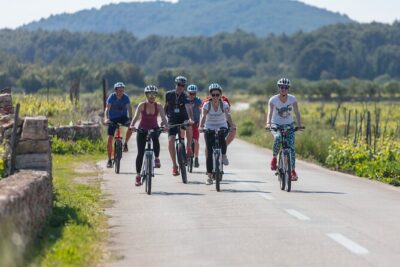
Catch Brač from its highest point. This four-hour bicycle tour combines mountain views, quiet island roads, and a stop at Škrip’s Museum of Oil. I like the downhill route beneath black pines, and I like that an air-conditioned vehicle handles the climb to Vidova Gora. The main drawback is simple: you need good weather, and the ride may not suit anyone uneasy on a bicycle.
The small group, capped at 12 people, should keep the outing personal and manageable. The 8 a.m. start also helps you ride before the day gets too warm. Still, this is not a sightseeing bus tour with a few token pedal strokes. You will spend much of the experience cycling, so basic comfort on a bike matters.
In This Review
- Key points at a glance
- Why this Brač bicycle tour works
- Reaching Vidova Gora without the hard climb
- Riding beneath Brač’s black pines
- Nerežišća and the island’s inland rhythm
- Škrip and the Museum of Oil
- Olives, cheese, and a local lunch break
- Splitska, Postira, and the sea
- What the four-hour format really means
- Who should book this Brač cycling experience?
- Should you book it?
- FAQ
- How long does the Brač bicycle tour last?
- What time does the tour start?
- Where does the cycling begin?
- Is a bicycle provided?
- Does the tour visit Vidova Gora?
- Does the tour visit the Museum of Oil?
- What food is included during the tour?
- How many people can join the tour?
- Is the tour canceled in bad weather?
- Can I cancel for a full refund?
Key points at a glance
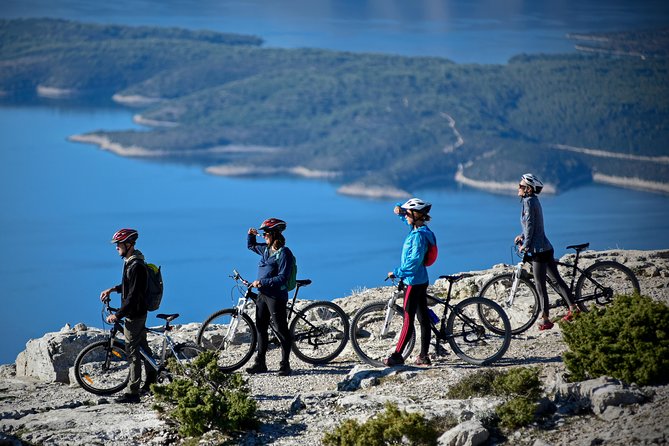
- A downhill start from Vidova Gora: Begin near Brač’s highest peak, then ride beneath black pine trees toward the villages.
- Quiet roads and a safe pace: The route passes through lightly populated parts of the island, with little traffic and a pace suited to group riding.
- Škrip’s Museum of Oil: Learn how olive oil was traditionally produced and see a less polished, more local side of Brač.
- Local food at lunchtime: Expect a break featuring olives, cheeses, and other island products.
- A small group of up to 12: The group size is compact enough to make the cycling portion easier to manage.
- Transport without the uphill strain: An air-conditioned vehicle takes you to the starting point, leaving you to enjoy the descent.
Why this Brač bicycle tour works
Brač is often reduced to a few postcard views and a trip to the famous beach at Bol. This outing gives you a broader look at the island. You see the high interior, pass through old settlements, and finish among small coastal towns.
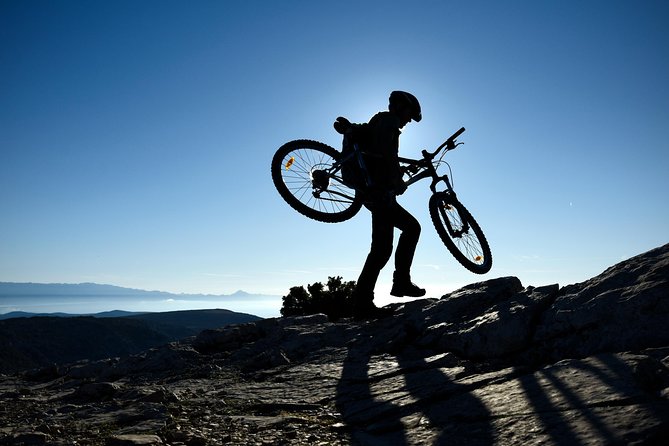
I like the basic design of the day. The vehicle takes you up to Vidova Gora, the highest point on Brač, instead of asking you to pedal uphill from sea level. From there, the route runs downhill through pine country and onward to villages. That gives you scenery and exercise without turning the morning into a punishing climb.
The experience lasts about four hours. That is long enough to feel like a proper outing, but short enough to fit into a busy Brač visit. You start at 8 a.m. and return to the meeting point at the end, so you still have much of the day left for swimming, sightseeing, or ferry plans.
The cost is $143.87 per person. That is not a bargain-basement bicycle rental, but you are paying for more than a bike. The price covers the group outing, bicycle, vehicle transfer to the mountain, planned stops, and admission to the Museum of Oil. The local food break adds another useful layer because you get to taste island products instead of simply passing through the countryside.
Reaching Vidova Gora without the hard climb
The day begins with a transfer in an air-conditioned vehicle to Vidova Gora. This is one of the smartest parts of the plan. Brač’s highest peak offers the island’s best views, but reaching it by bicycle would require a much tougher ride than the advertised route suggests.
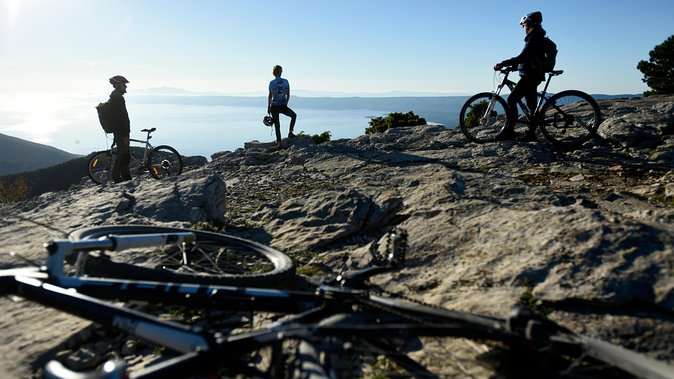
At the top, you get a short stop of about 30 minutes with admission included. The mountain is valued for two things: its broad view over Brač and its unspoiled setting. The provided information does not promise a particular viewpoint or visibility, so your exact view will depend on the weather. On a clear morning, this should be the visual high point of the tour, even though the ride itself starts here.
The mountain section is also where the route feels most natural. The path drops through black pine cover, giving you shade and a strong sense of leaving the developed coast behind. I would bring water, even for a downhill ride, because four hours outdoors in the island sun can add up.
Do not read downhill as effortless. You still need to steer, brake, and stay alert. The route is described as safe-paced, with light traffic, but a bicycle ride always requires more attention than sitting in a van. If you are comfortable riding on ordinary roads and handling a descent, this should be the most enjoyable part. If you rarely cycle, ask yourself if a four-hour outing is realistic before booking.
Riding beneath Brač’s black pines
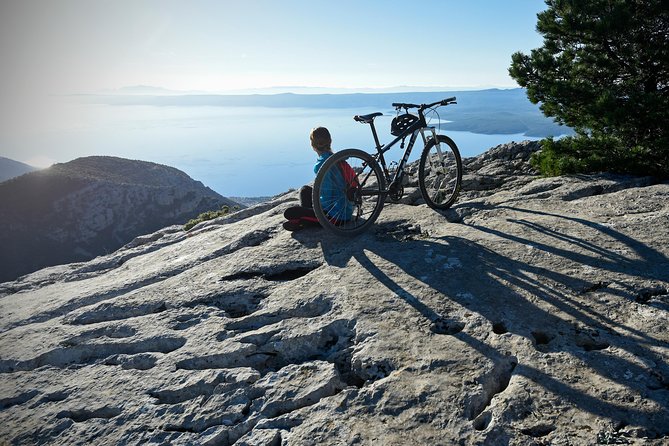
The ride from Vidova Gora uses the island’s natural setting as its first attraction. The black pines shelter the route as it winds down toward the villages. This is not a race, and the point is not to cover as many miles as possible. You are there to watch the scenery change from high mountain country to settled inland roads.
One useful detail is the light traffic. The route passes through a lightly populated part of Brač, which makes the cycling less stressful than riding beside a busy coastal road. The supplied trip details also note that Croatian drivers are generally bike-friendly. That does not mean you can switch off your attention, but it should make the road portion feel less tense.
A group limit of 12 is another plus. Large bicycle groups can stretch out, create delays, and make every stop feel like crowd control. A smaller group gives the guide a better chance to keep the pace together. It also makes it easier for you to ask questions or mention if you need a short pause.
The route is set, and a bicycle is provided. The details do not specify bicycle type, frame sizes, helmets, or whether electric bikes are available. If any of those points matter to you, check with Brac adventure before paying. That is especially wise if you need a particular size or prefer electric assistance.
Nerežišća and the island’s inland rhythm
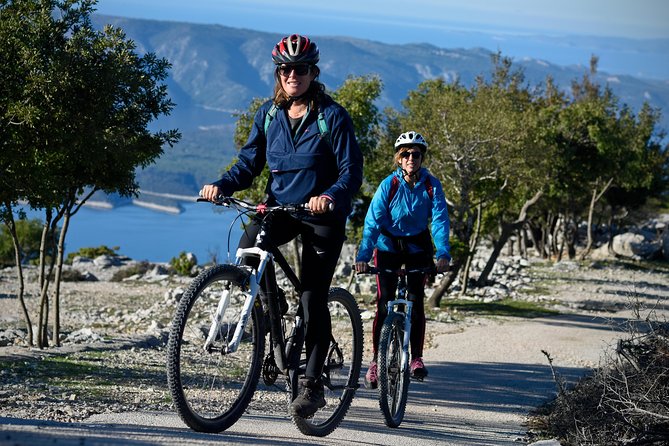
The route continues through Nerežišća, which sits at the crossroads of Brač’s main roads. Its position makes it a natural link between the mountain, inland villages, and the coast.
You will not get a long town tour here. Nerežišća is one part of a moving bicycle route, not a full day of guided walking. Its value is in the transition. You see how Brač connects its settlements and how quickly the island changes once you leave the main resort areas.
This is also a good point to appreciate the route’s balance. The tour does not keep you on one type of surface or scenery. You begin in pine forest, pass through an inland settlement, visit an olive oil museum, and later reach small coastal towns. That variety gives the half-day outing more substance than a simple downhill ride.
The cycling pace matters here. The experience is built for a group, so you should expect a steady outing rather than a personal training session. People looking for speed, steep technical riding, or a long-distance challenge may find it too gentle. People who want to see more of Brač without spending the entire day in a vehicle should find the format appealing.
Škrip and the Museum of Oil
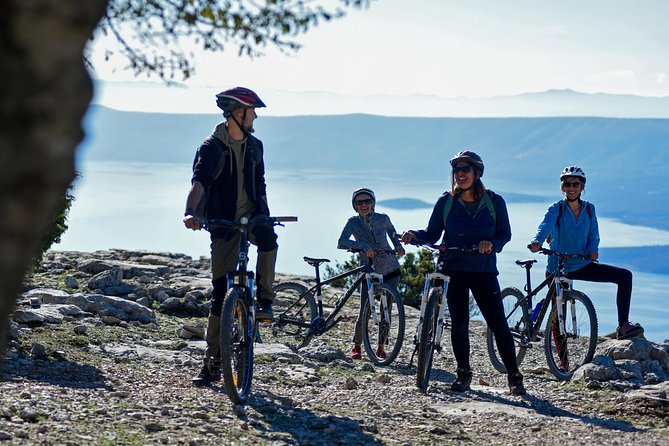
Škrip is described as Brač’s oldest settlement, and it brings the tour back to the island’s working traditions. The stop at the Museum of Oil lasts about 30 minutes, with admission included.
The museum focuses on traditional olive oil production. That subject fits the ride well because you have already been moving through the island’s rural interior. Instead of treating Brač as only a place for beaches and views, the visit shows one of the products that shaped everyday island life.
Thirty minutes is enough for an introduction, not a detailed museum study. You should expect a compact stop rather than a major cultural institution. That is fine for a four-hour bicycle trip. The museum gives you context without taking over the day.
I see this as one of the tour’s strongest choices. A scenic ride can blur into a series of pleasant views. A stop in Škrip gives the outing a clear local focus. You are not just looking at the island; you are learning how one of its traditional foods was made.
The museum is also a welcome change of pace after the descent. You can get off the bicycle, take in the displays, and reset before the food break and coastal section. The supplied details do not name a guide or describe a tasting inside the museum, so do not assume the museum visit includes a formal olive oil tasting unless Brac adventure confirms it.
Olives, cheese, and a local lunch break
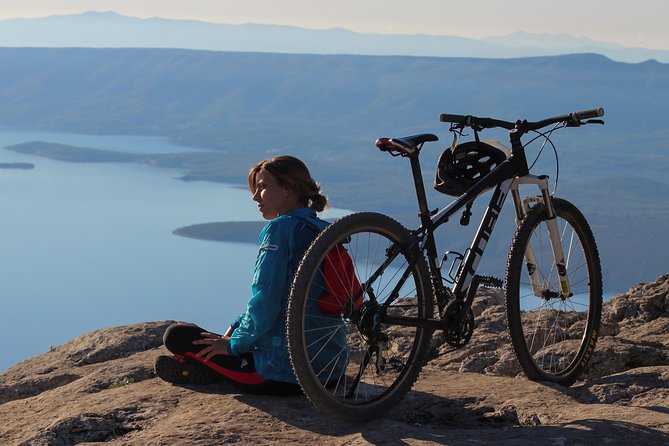
The tour includes a break for lunch based on local products. The named foods include olives and cheeses, along with other island fare. This is not presented as a restaurant meal with a broad menu. Think of it as a simple taste of Brač, tied to the places you have just passed.
I like this kind of meal on a bicycle tour. You get a chance to eat, rest, and try food connected to the local countryside. It also gives the tour a social pause, which helps a small group settle into an easy rhythm.
If you have dietary restrictions, ask ahead. The available information does not list ingredients, portions, vegetarian options, allergy handling, or drink inclusions. The same applies if you need a substantial meal after cycling. Local products can be satisfying, but the details of the lunch are not fully spelled out.
The lunch stop adds value to the $143.87 price, especially if you would otherwise pay separately for food and a museum visit. Still, I would compare the total against the cost of arranging a bicycle, transport, and a self-guided visit on your own. The tour makes sense if you value convenience and a planned route. It is less compelling if you already have a bicycle and know Brač’s roads well.
Splitska, Postira, and the sea
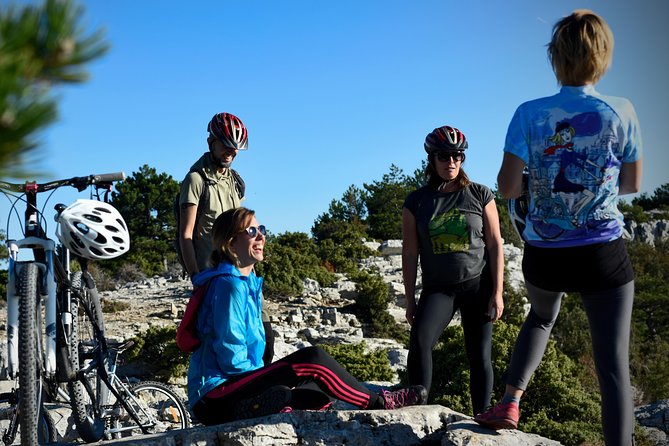
After the inland portion, the route reaches small coastal towns, including Splitska and Postira. The final stop is described as a beautiful, picturesque town by the sea, giving the ride a change of mood after the mountain and village sections.
The exact timing at each coastal stop is not provided, so you should not expect a long guided visit in both places. They function as part of the route rather than as separate walking tours. Their appeal is the contrast: pine-covered heights at the start, old inland settlements in the middle, and the coast toward the end.
This ending also makes practical sense. A downhill ride that finishes near the sea feels more rewarding than one that simply returns you to a vehicle. You get a clear sense of crossing Brač, from the island’s highest ground toward its coastal communities.
Because the activity ends back at the meeting point, check the exact meeting location before departure. The information supplied here identifies the activity’s return to the meeting point but does not give a street address. The tour is near public transportation, which may help with getting to and from the start, but the precise transport connections are not listed.
What the four-hour format really means
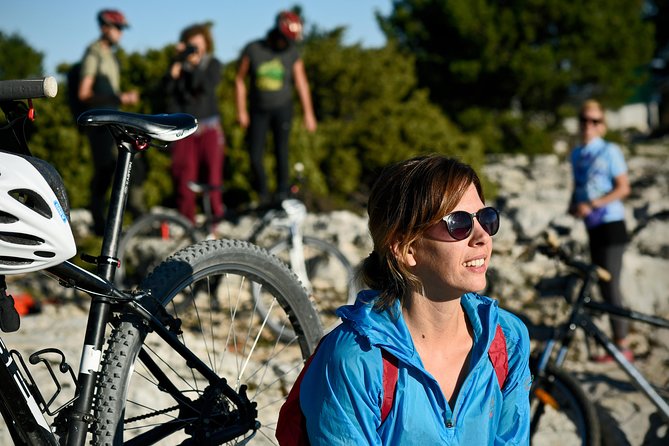
Four hours sounds brief, but the day includes a vehicle transfer, cycling, several settlements, the museum, and lunch. That means no single stop is likely to be long. The route is designed for movement and variety, not lingering over every village.
The 8 a.m. departure is useful. An early start can mean cooler riding conditions, and it leaves your afternoon open. It may be less attractive if you prefer slow mornings, but cycling in the warmer middle of the day would likely be less comfortable.
The maximum group size is 12. That is small enough to avoid the feel of a large coach excursion, while still being a proper group tour rather than a private ride. The experience is confirmed at booking, and most people can participate, but the weather and minimum group requirements still matter.
Poor weather can cancel the outing. If that happens, you are offered another date or a full refund. You can also cancel for a full refund if you do so at least 24 hours before the start time. Changes or cancellations made inside that 24-hour window are not accepted for a refund, and the cut-off follows local time.
Who should book this Brač cycling experience?
I would choose this tour if you want to see several sides of Brač in one morning and feel comfortable on a bicycle. It suits active sightseers who like a little exercise, local food, and smaller settlements more than a packed list of major attractions.
It is also a good match if you do not want to arrange your own transport to Vidova Gora. The air-conditioned transfer removes the hardest logistical problem and lets you start with the downhill section.
You may want another option if you dislike cycling, need a highly customized pace, or want long visits in Škrip, Splitska, or Postira. The route has a fixed structure, and the four-hour schedule leaves limited room for extended exploration.
Families and mixed-ability groups should think carefully. The details say most people can participate, but they do not specify age limits, bicycle styles, child seats, helmets, or assistance for riders with limited mobility. Ask Brac adventure directly before booking if those points affect your group.
Should you book it?
Book this Brač bicycle tour if you want a compact, well-rounded introduction to the island. The strongest features are the downhill start from Vidova Gora, light traffic beneath the pines, the traditional oil museum in Škrip, and the pause for olives, cheese, and other local foods.
At $143.87, it earns its price through transport, equipment, admissions, guiding, and a planned route rather than through sheer duration. I would book it for convenience and variety, not because it is the cheapest way to rent a bicycle.
The decision comes down to one question: are you happy spending much of the morning on a bike? If yes, this offers a fine mix of views, villages, food, and island culture. If not, choose a slower island tour with more time on foot.
FAQ
How long does the Brač bicycle tour last?
The experience lasts approximately four hours.
What time does the tour start?
The tour starts at 8:00 a.m.
Where does the cycling begin?
An air-conditioned vehicle takes you to Vidova Gora, where the bicycle route begins.
Is a bicycle provided?
Yes. The tour includes a provided bicycle.
Does the tour visit Vidova Gora?
Yes. Vidova Gora is the starting area and includes about 30 minutes with admission included.
Does the tour visit the Museum of Oil?
Yes. The route passes through Škrip and includes a visit to the Museum of Oil, also listed with about 30 minutes and admission included.
What food is included during the tour?
The experience includes a lunch break featuring local products such as olives, cheeses, and other food.
How many people can join the tour?
The group has a maximum of 12 participants.
Is the tour canceled in bad weather?
Yes. The experience requires good weather. If poor weather causes a cancellation, you are offered a different date or a full refund.
Can I cancel for a full refund?
Yes. You can receive a full refund if you cancel at least 24 hours before the local start time. Cancellations made less than 24 hours in advance are not refunded.
More Bike Tours
- City Bike Tour of Split
★ 5.0 · 331 reviews - Pula Highlights Bike Adventure
★ 5.0 · 254 reviews - Zagreb Highlights Bike Tour
★ 5.0 · 208 reviews - Classic Zagreb Bike Tour
★ 5.0 · 193 reviews
More Olive Oil Tastings
- Split: Krka Waterfalls With Boat Cruise, Wine and Olive Oil
★ 4.3 · 1,507 reviews - Wine, food and olive oil by PhD student
★ 5.0 · 111 reviews - Hvar: Island tour with Wine and Olive Oil Tasting
★ 4.9 · 77 reviews - Split: Olive museum Klis with Olive Oil Tasting
★ 4.9 · 51 reviews
Cycling Tours, compared.
Quad Biking Off Road Tour starting 10 minutes drive from Split
Read our review →
Browse the lists this tour appears in