

Reviewed · CITY TOURS
Zagreb: Guided City Tour with WWII Tunnels
Zagreb reveals itself in layers. This $23 guided walk links the city’s key sights with the Gric Tunnel, giving you a quick grounding in old streets, Croatian history, and twentieth-century Zagreb. I like the efficient route and the chance to walk with a local guide rather than simply collect photos of churches and towers. The main consideration is pace: two hours is enough for an introduction, not enough for long visits inside every landmark.
I also like the strong guide team. Guides such as Diana, Darko, Vid, Tonka, Ivana, Katherine, and Ena have been praised for mixing facts with stories, humor, and useful suggestions for places to eat and drink. The WWII tunnel stop adds something unusual to a standard Old Town walk, though church interiors may not be part of the visit, especially when repairs limit access.
In This Review
- Five Things to Know Before You Go
- Starting Under the Horseman Statue
- Zagreb Cathedral and the City’s Religious Center
- Stone Gate and the Move Into Upper Town
- St. Mark’s Square and Two Very Different Churches
- Lotrščak Tower and the Noon Cannon
- Inside Gric Tunnel, Zagreb’s Underground History
- Bloody Bridge and Zagreb’s Conflicts
- Dolac Market and the Flavors of Daily Zagreb
- What the Guides Add to the Walk
- Is $23 a Fair Price for Two Hours?
- Who Should Book This Zagreb Tour?
- Should You Book It?
- FAQ
- Where does the Zagreb city tour begin?
- Where does the tour finish?
- How long does the tour last?
- How much does the tour cost?
- Which languages are available?
- Does the tour include the Gric Tunnel?
- What should I bring, and what is not allowed?
Five Things to Know Before You Go
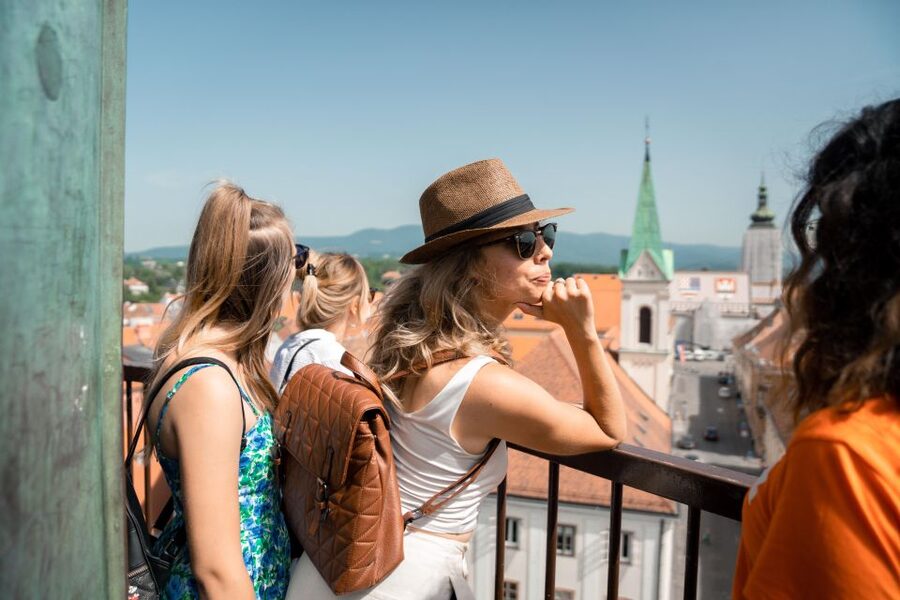
- The route starts and ends at Ban Jelačić Square, making it easy to fit into a first day in Zagreb.
- Gric Tunnel takes about 10 minutes, offering a brief look at wartime construction beneath the city.
- The noon cannon can be very loud, so cover your ears if the tour reaches Lotrščak Tower at firing time.
- The walk covers Zagreb’s essential Old Town sights, including Stone Gate, St. Mark’s Square, Dolac Market, and the Cathedral.
- The tour costs $23 per person, a fair price for two hours with a certified local guide and a route that covers several major sights.
- Comfortable shoes matter, and large bags or luggage are not allowed.
Starting Under the Horseman Statue
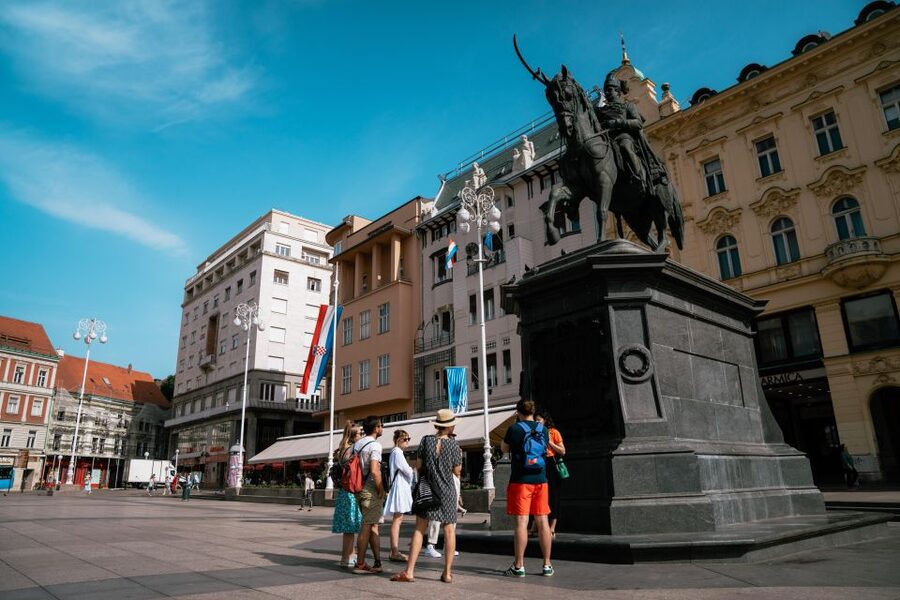
Your meeting point is easy to find: stand in front of the Horseman Statue at Ban Josip Jelačić Square. This is Zagreb’s central meeting place, so the tour begins in a useful spot for getting your bearings.
The square introduces you to Zagreb’s modern city center before the walk heads uphill into the older districts. Your guide explains the city’s past and present as you go, rather than treating each stop as an isolated monument. That approach helps you see how the commercial center, medieval Upper Town, market streets, and wartime tunnels fit together.
The group size is not fixed in the information provided, but one booking had a group of 12. That is a pleasant size for a walking tour, since you can usually hear the guide without the outing feeling entirely private. The certified local guide has led more than 500 tours, and the guide’s personality is a major part of the value.
Diana has been praised for energy, patience, humor, and strong storytelling. Darko is often singled out for his warmth, jokes, and ability to connect cultural, political, and historical subjects. Vid, Tonka, Ivana, Katherine, Ena, and others have also received high marks for making the city easy to understand and fun to explore.
More City Tours in Zagreb
- Zagreb: Small Group Walking Tour City Center and WW2 Tunnels
★ 4.9 · 895 reviews - Zagreb: City and WWII Tunnels Walking Tour
★ 4.9 · 845 reviews - Hop On Hop Off Panoramic bus – Zagreb City Tour
★ 3.7 · 769 reviews
Zagreb Cathedral and the City’s Religious Center
The route includes a photo stop at Zagreb Cathedral, the largest church in Croatia. Its twin towers and broad facade make it one of the city’s most recognizable sights, and its position near the market makes this a natural part of the walking route.
You should think of this as an exterior stop rather than a guaranteed church visit. One participant specifically noted that public buildings, including churches, were closed for repairs after earthquake damage. Conditions can change, but the tour information does not promise interior access.
That is not a major flaw for a two-hour city introduction. A guide can still explain the Cathedral’s place in Zagreb and point out details you might otherwise walk past. If entering the church matters to you, ask about current access during the tour or plan a separate visit.
The Cathedral also helps show Zagreb’s scale. The Old Town is walkable, but its sights are spread through streets and squares rather than packed into one small complex. A guide saves you time by linking them in a sensible order.
Stone Gate and the Move Into Upper Town
Stone Gate is one of the most atmospheric stops on the route. This 13th-century entrance marks the transition into the Old Town, and it feels more like a passage through the city’s past than a normal street corner.
The stop is listed as a photo opportunity, but it offers more than a quick picture. Your guide can give meaning to the gate’s survival and explain why it remains such a recognizable part of Zagreb. This is where the walk begins to feel distinctly local, with old lanes and compact historic spaces replacing the broader central square.
The uphill movement toward Upper Town is manageable for many people, but you should wear shoes with good grip and support. The organizers specifically recommend comfortable footwear. The tour is entirely a walk, with no transport included, so this matters more than it might on a bus-based city tour.
Stone Gate also gives you a useful sense of Zagreb’s historic structure. The city is not presented as a series of grand palaces alone. Its identity is found in gateways, narrow routes, religious landmarks, public squares, and stories about conflict and daily life.
St. Mark’s Square and Two Very Different Churches
St. Mark’s Square is one of the essential stops. St. Mark’s Church is famous for its colorful tiled roof, which displays the emblems of Zagreb and Croatia. The building is a powerful photo subject, but the square’s political importance gives the stop extra weight.
This is where the guide’s storytelling can make a real difference. The route is designed to cover cultural and political details along with dates and architecture. Several guides have been praised for explaining these subjects in a friendly, easy-to-follow way rather than delivering a dry list of facts.
You also see St. Catherine’s Church, noted for its pink ceiling. That unusual detail adds variety to the church stops. Zagreb’s religious buildings do not all look alike, and a guide can help you notice features that are easy to miss when you are focused only on St. Mark’s famous roof.
Again, expect a photo stop, not a guaranteed interior tour. Repairs have affected access to some public buildings, so keep your expectations practical. Even from outside, St. Mark’s Square gives you one of the clearest pictures of Zagreb’s old political and religious center.
A few more tours and experiences worth a look
- From Zagreb: Plitvice & Rastoke Guided Day Trip with Ticket
★ 4.9 · 2,955 reviews - Zagreb: Rastoke & Plitvice Lakes Guided Tour with Ticket
★ 4.9 · 1,897 reviews - Plitvice Lakes with Ticket & Rastoke Guided Tour from Zagreb
★ 5.0 · 966 reviews - From Zagreb: Plitvice Lakes Guided Group Day Trip
★ 4.6 · 613 reviews
Lotrščak Tower and the Noon Cannon
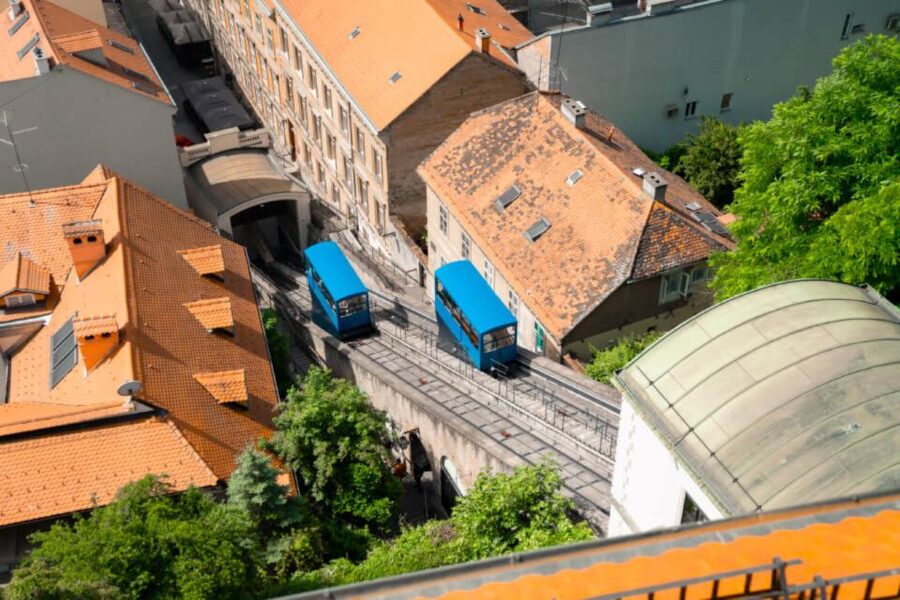
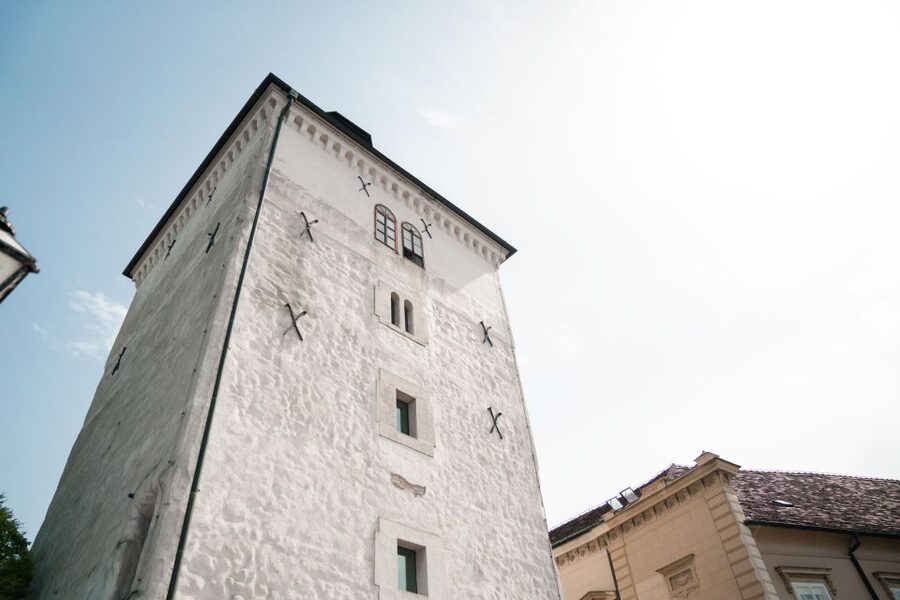
The walk continues to Lotrščak Tower, where you may witness Zagreb’s famous cannon shot at noon. This is one of the tour’s most memorable moments, but it comes with a simple warning: the cannon is loud.
One person specifically advised covering your ears. I would take that seriously, especially if you are sensitive to sudden noise or are traveling with children. The tour time depends on the selected starting slot, so the cannon firing is not necessarily guaranteed on every departure. If this is a priority, check the timing before booking.
Lotrščak Tower also gives the guide a chance to explain Zagreb’s defensive past and how the Upper Town functioned. The stop works best when you hear the story behind the tower, not just when you photograph it.
The cannon is a small event, but it gives the tour a local rhythm. It is not a staged performance created for the group. It is part of the city’s regular soundscape, and that makes the moment more memorable.
Inside Gric Tunnel, Zagreb’s Underground History
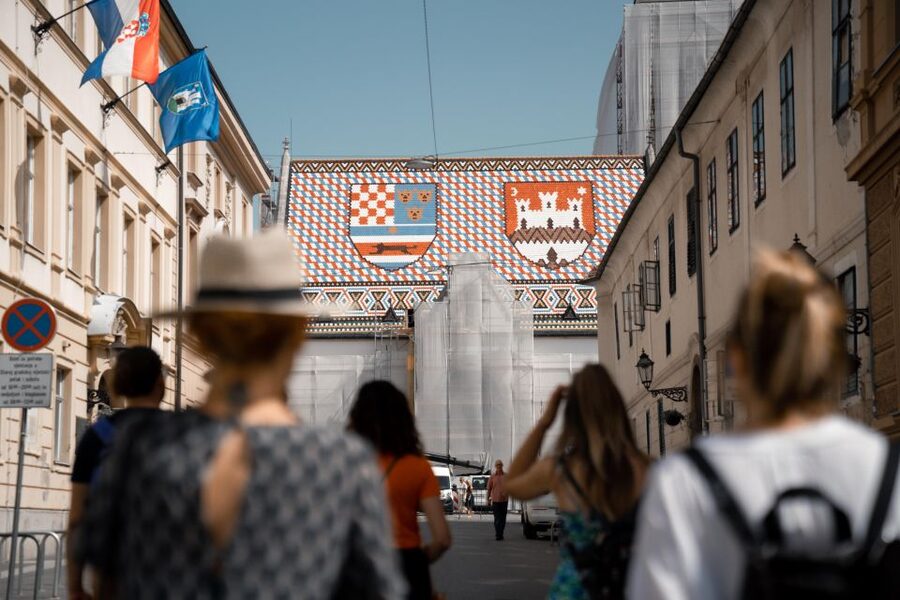
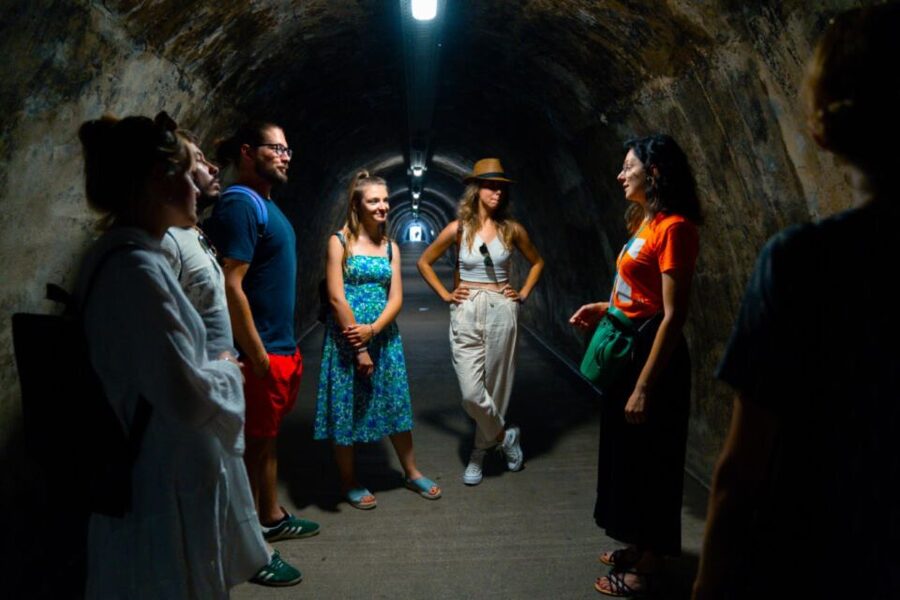
The Gric Tunnel is the tour’s most distinctive stop. You spend about 10 minutes walking through tunnels built by the fascists during the Second World War. This brief underground section changes the mood of the tour and adds a direct link to Zagreb’s wartime past.
Do not expect a long museum visit or an extended tunnel expedition. Ten minutes is short, but it is enough to give you a physical sense of the hidden infrastructure beneath the city. The contrast is valuable: above ground, you see churches, markets, and elegant squares; below ground, you encounter a reminder of fear, shelter, and conflict.
The tunnel visit also prevents the tour from becoming a standard architecture walk. You get more than the city’s postcard face. The guide connects the underground passage with Zagreb’s twentieth-century story, while the other stops cover medieval and modern civic life.
Because luggage and large bags are not allowed, pack lightly for this outing. A small day bag may be acceptable, but the stated rule is clear about large bags and luggage. If you are arriving directly from a train or airport with suitcases, arrange storage first.
Bloody Bridge and Zagreb’s Conflicts
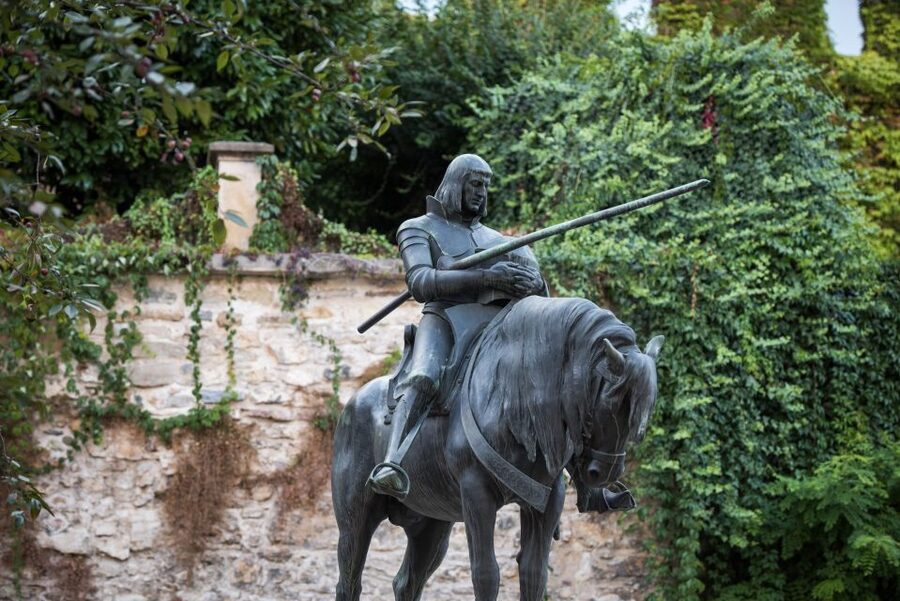
The route includes Bloody Bridge, a place linked with many conflicts across Zagreb’s turbulent past. Despite the name, this is not presented as a dramatic attraction. Its value is historical. It shows how an ordinary urban passage can carry memories of rivalry and violence.
This stop works well alongside Stone Gate and the Gric Tunnel. Stone Gate reflects the older city, Bloody Bridge recalls long-running local conflicts, and the tunnel points to the Second World War. Together, these places show that Zagreb’s past is not one neat story.
The guide is especially useful here because the name alone does not explain the site. Several highly rated guides have been praised for mixing legend, anecdote, historical fact, and humor. That style suits places like Bloody Bridge, where a short explanation can turn an unremarkable-looking location into a meaningful stop.
Dolac Market and the Flavors of Daily Zagreb
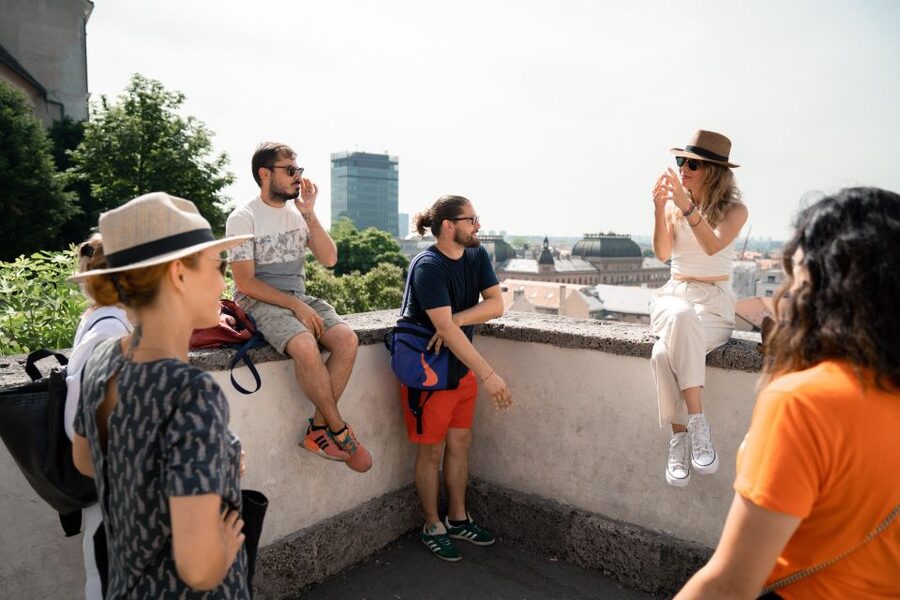
Dolac is Zagreb’s largest green market and one of the liveliest parts of the route. Here you can take in the colors and aromas of a working food market, rather than simply admire another historic facade.
This is a valuable stop because it shows everyday Zagreb. Markets reveal what people buy, how the center is used, and how the city feels outside its formal monuments. The market also breaks up the church and tower sequence with a more sensory experience.
You should not expect a long shopping period during the tour. The group continues through several stops, and the market is part of a two-hour route. Still, pay attention to the details your guide points out, then return later if you want more time to browse.
The market is close to the Cathedral, so the route makes practical sense. You move from daily food culture to one of Croatia’s most important religious buildings, then continue back toward the central square. This efficient planning is one reason the tour offers good value for a short visit.
What the Guides Add to the Walk
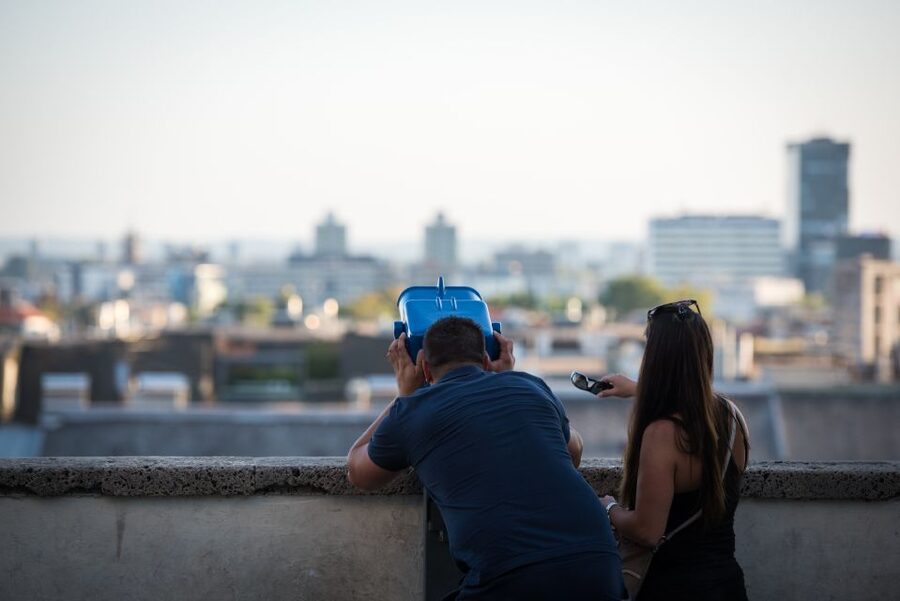
The strongest part of this experience is not any single building. It is the guide. The high score of 4.9 from 155 reviews reflects a consistent pattern of praise for enthusiasm, clear communication, humor, and local insight.
Katherine has been described as energetic and exceptionally informed. Ivana was praised for her enthusiasm and strong command of Zagreb’s major historical points. Diana’s tours are noted for a mix of facts, legends, anecdotes, restaurant suggestions, and practical ideas for the rest of your stay.
Darko appears repeatedly in the feedback, with praise for his friendly manner, modern storytelling, and eye for good photo spots. Tonka has also been praised for engaging explanations and a strong grasp of the city’s history. Ena was noted for giving a broad account of Zagreb and Croatia while keeping the group involved.
Guide quality can vary on any scheduled walking tour, but the range of positive names here is encouraging. You are not paying only for a route. You are paying for the ability to ask questions and get a local explanation of what you are seeing.
The tour is offered in English and Spanish. If you want a guide who can help you plan the rest of your stay, ask questions during the walk. Some guides have offered useful suggestions for food, drinks, and further sights.
Is $23 a Fair Price for Two Hours?
At $23 per person, this tour is reasonably priced for a two-hour guided walk through Zagreb’s major historic areas. You visit the central square, Cathedral, Stone Gate, St. Mark’s Square, St. Mark’s Church, St. Catherine’s Church, Lotrščak Tower, Gric Tunnel, Bloody Bridge, and Dolac Market.
You could walk past many of these places on your own for free. The value comes from the order of the route, the background stories, the tunnel visit, and the chance to ask a local guide questions. If you prefer to explore quietly with a map, the price may feel unnecessary. If you want context on your first day, it is a sensible expense.
The tour also has useful booking flexibility. You can reserve now and pay later, and cancellation is free up to 24 hours before the start for a full refund. Check the available start times before booking if you want to catch the noon cannon.
Who Should Book This Zagreb Tour?
I would choose this tour if you are visiting Zagreb for the first time, have only a short stay, or want a clear introduction before exploring alone. It suits history fans, architecture lovers, photographers, and anyone who prefers stories to guidebook captions.
It is also a good fit for people who want to see the Old Town without spending half a day planning a route. The walk is compact but varied, moving from a city square to medieval gates, churches, a tower, an underground tunnel, a historic crossing, a market, and the Cathedral.
You may want something else if you need lengthy interior visits, a slow photography session, or a private itinerary. The tour covers many sights in two hours, so each stop is fairly focused. Church access can also be limited by repair work, as happened after earthquake damage.
Bring comfortable shoes and a camera. Leave large luggage behind. If the cannon fires at noon, protect your ears.
Should You Book It?
Yes, I would recommend it for a first look at Zagreb. The route covers the city’s main Old Town sights, but the Gric Tunnel and Bloody Bridge keep it from feeling like a basic monument checklist.
The best reason to book is the guide. The repeated praise for Diana, Darko, Vid, Tonka, Ivana, Katherine, Ena, and others points to an experience shaped by personality and storytelling. At $23, two hours with a certified local guide is good value, especially when you use the walk to decide which parts of Zagreb deserve a second visit.
Book it if you want quick orientation, local stories, and a taste of Zagreb above and below ground. Skip it only if you already know the city well or want to explore entirely at your own pace.
FAQ
Where does the Zagreb city tour begin?
The tour begins in front of the Horseman Statue at Ban Josip Jelačić Square.
Where does the tour finish?
The route finishes back at Ban Josip Jelačić Square.
How long does the tour last?
The tour lasts two hours.
How much does the tour cost?
The listed price is $23 per person.
Which languages are available?
The live tour guide is available in English and Spanish.
Does the tour include the Gric Tunnel?
Yes. The route includes a sightseeing stop at Gric Tunnel that lasts about 10 minutes.
What should I bring, and what is not allowed?
Bring comfortable shoes and a camera. Luggage and large bags are not allowed.
Just added around Zagreb
- Zagreb: VR 3D Immersive Film Experience – Voucher★ 4.6 · 9 reviews
- Zagreb GRAND Private Walking Tour★ 4.5 · 9 reviews
- Zagreb: Explore with an Art Historian – Private Walking Tour★ 4.9 · 9 reviews
- Croatian cuisine cooking class with Dolac market tour★ 5.0 · 9 reviews
- From Zagreb: Plitvice Lakes & Rastoke Private Tour★ 5.0 · 9 reviews
- Private Guided Tour of Ljubljana and Lake Bled from Zagreb★ 5.0 · 9 reviews
- Picturesque Samobor & Samobor Castle Half-day Tour★ 4.5 · 9 reviews
- Zagreb to Split Private Transfer via Plitvice Lakes National Park★ 5.0 · 9 reviews
City Tours, compared.

City Walls Early Morning or Sunset Walking Tour
Read our review →
Dubrovnik Combo: Old Town & Ancient City Walls
Read our review →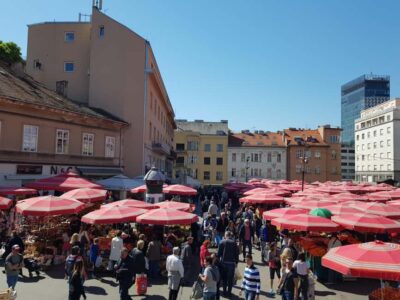
Small Group Walking Tour City Center and WW2 Tunnels
Read our review →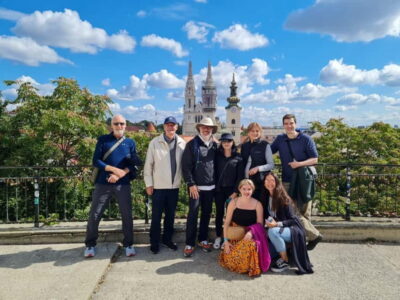
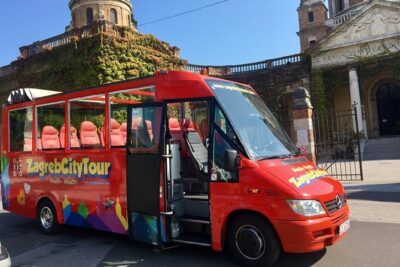
Hop On Hop Off Panoramic bus – Zagreb City Tour
Read our review →
Browse the lists this tour appears in