
Reviewed · WALKING TOURS
Šibenik: Medieval Night Walking Tour
The old town changes after sunset. This one-hour walk through Šibenik’s dark lanes brings you face to face with more than 600 years of stone streets, church squares, tunnels, covered passages, and stories that make the medieval town feel unusually close. A specially trained guide from one of the city’s medieval brotherhoods leads the route.
I like the evening timing, especially in Dalmatia’s summer heat, and I like the focus on places you could easily pass without noticing in daylight. The medieval cistern, the cave beside St. Lawrence Monastery, and the old streets offer more than a standard city walk. The main drawback is the short length: at $49 per person, this is not a cheap tour for only an hour, although the guide’s storytelling and the unusual route may justify the cost for history-minded visitors.
In This Review
- Key points about the night walk
- Why Šibenik works so well after sunset
- Starting beside the Cathedral of St. James
- Narrow lanes, stairs, and medieval passageways
- The Four Wells and Šibenik’s medieval water supply
- St. Lawrence Monastery and the old-town cave
- Pillars of shame, fairs, and local legends
- Churches, chapels, and the city’s religious life
- What Dario Mikulandra adds to the tour
- Is $49 a fair price for one hour?
- Timing, meeting details, and useful planning advice
- Who should book the medieval night walk?
- My verdict on the Šibenik Medieval Night Walking Tour
- FAQ
- Where does the Šibenik Medieval Night Walking Tour start?
- Where does the tour end?
- How long does the tour last?
- What languages are available?
- What places are included during the walk?
- Are church and museum entrance fees included?
- Is hotel pickup available?
- Can I cancel the booking?
Key points about the night walk
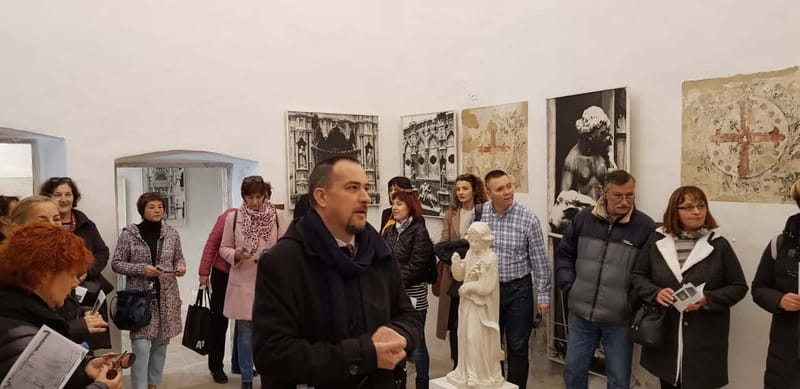
- Šibenik after dark: Walk narrow streets that were not lit during the Middle Ages, with tunnels, stairs, and covered passageways adding atmosphere.
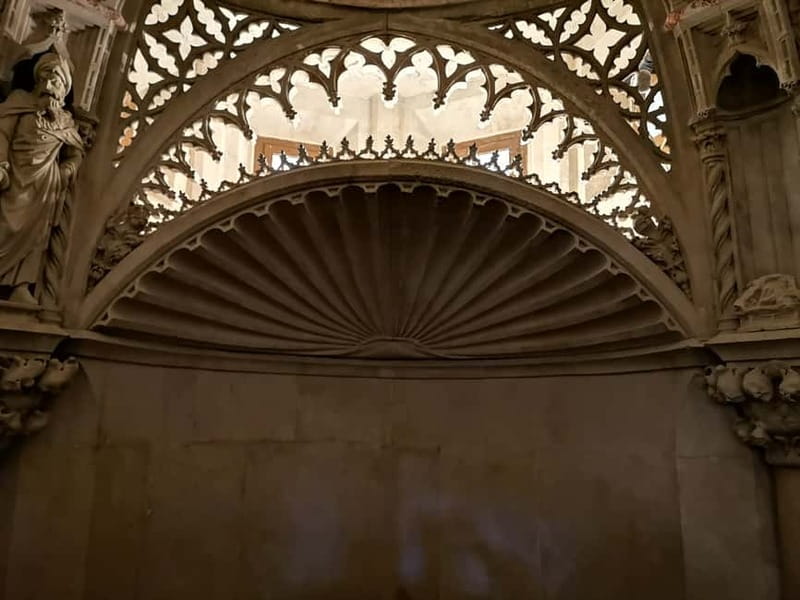
- The Cathedral of St. James: Hear how light shaped the cathedral’s construction and what the building meant to the people of Šibenik.
- The Four Wells cistern: See the medieval water system and learn how the town collected and stored water.
- A cave in the old town: Visit the cave beside the Monastery of St. Lawrence, one of the tour’s most unusual stops.
- Stories beyond the postcard view: Learn about the pillar of shame, medieval fairs, the plague of 1649, and the city’s 72 bells.
- A guide with local depth: Dario Mikulandra is praised for clear English, humor, enthusiasm, and a strong grasp of Šibenik’s past.
Why Šibenik works so well after sunset
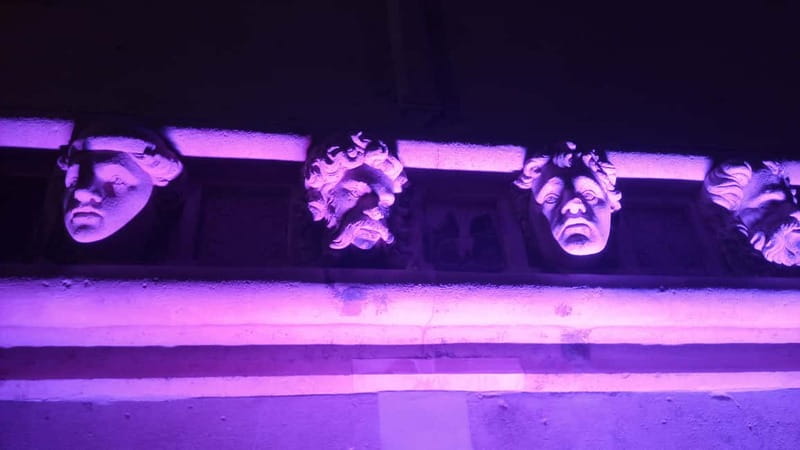
Šibenik is an ideal city for a night walk because its old center is built for slow exploration. The streets are narrow, steep, and often linked by stairs or passageways. In daylight, you may notice the stone walls and church façades first. At night, the lack of open views makes you pay attention to sound, texture, and the shape of the lanes.
The tour focuses on the medieval character of the town rather than giving you a broad modern introduction. You will walk through streets more than 600 years old, with stories about how people lived, prayed, worked, traded, and survived inside the old city walls.
I especially like the contrast between the famous sights and the smaller details. The cathedral gets its proper share of attention, but the route also points out a chapel linked to Šibenik’s first doctor from 1419, an old craft area, the town’s medieval sign for its underground passages, and a public lighting lamp from 1895.
This is not a long walk, so the guide needs to keep the pace moving. That can be useful if you have only one evening in Šibenik, but you should not expect a leisurely two-hour history seminar. Think of it as a concentrated introduction, with enough unusual material to help you plan what to revisit the next day.
More Walking Tours in Sibenik
- Private Sibenik Walking Historical Morning or Evening Tour
★ 5.0 · 93 reviews - Sibenik: Guided Evening Walking Tour
★ 4.9 · 62 reviews - From Sibenik: Private Walking Sibenik Sightseeing Tour
★ 4.9 · 15 reviews
Starting beside the Cathedral of St. James
The meeting point is precise, which matters in a city with several cathedral entrances. Go to the main entrance portal on the west-facing side, opposite the statue of sculptor Juraj Dalmatinac. Do not wait at the cathedral doors with the lions.
The cathedral square is a strong place to begin. It gives the guide a natural setting for explaining the construction of the Cathedral of St. James, often called the most beautiful Croatian cathedral. The building is not treated simply as a photo stop. You will hear what its construction represented to the people of Šibenik, how long it took, and whether the work was completed slowly or at a remarkably fast pace for its time.
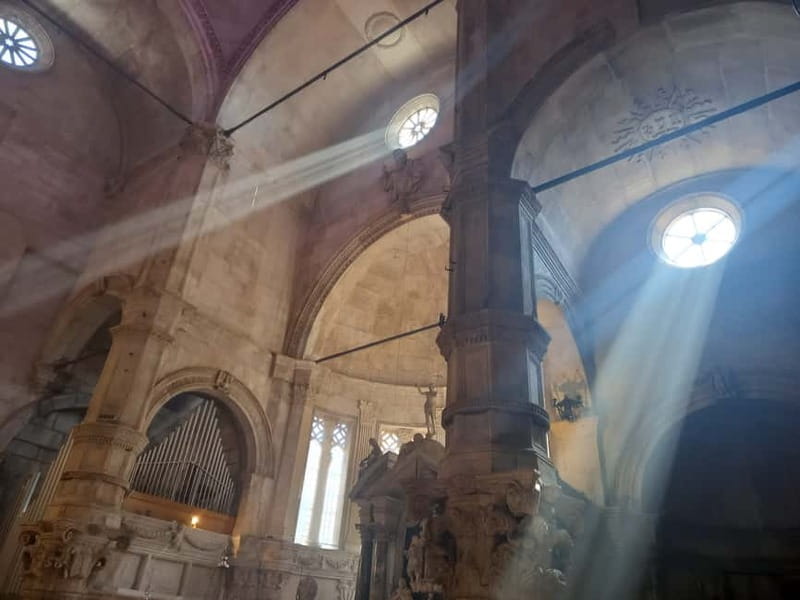
Light is another theme. The guide explains what light meant in the cathedral’s design and construction, an idea that becomes more interesting on a night tour. You see the building in a different mood, with the surrounding streets quieter and the stonework less exposed than it is under the midday sun.
The route also includes a square with one of the best views of the cathedral. That stop should appeal to photographers, although the darkness means you may need to keep your expectations practical. The value here is the setting and the explanation, not a guaranteed perfect night photograph.
Narrow lanes, stairs, and medieval passageways

From the cathedral area, the walk moves into Šibenik’s older streets. These lanes were not lit in the Middle Ages, and the tour uses that fact to help you picture daily life before modern street lighting. The darkness is part of the point, not an inconvenience to be removed.
You will pass through narrow streets, tunnels, covered passageways, and many stairs. The route’s physical character gives the history some weight. A discussion of medieval town life can feel abstract in a museum, but it feels more direct when you are standing in the same tight lanes where houses had to be fitted into limited space.
The guide also explains why and how homes were built inside the old city core. This is one of the more useful topics because it connects architecture with ordinary needs. You begin to notice the relationship between stairs, doors, walls, and the small amount of room available for homes and workshops.
Bring shoes with a firm grip. The tour description does not provide a formal accessibility rating, but the many stairs, narrow streets, tunnels, and passageways clearly make this a poor match for anyone who needs a completely level route. The dark setting also means you should watch your footing.
The Four Wells and Šibenik’s medieval water supply

The visit to the medieval cistern of Four Wells gives the tour a practical edge. Water is easy to take for granted now, but a medieval city had to collect and protect its supply. Here you learn what the cistern looked like inside and how water was gathered.
I like this stop because it shifts the focus away from grand monuments. Cathedrals and palaces tell you how a city wanted to present itself. A cistern tells you how it functioned. It gives you a clearer sense of the work required to keep a fortified coastal town alive.
The cistern also helps explain why old cities were designed as they were. Water storage, public access, and limited space all shaped urban life. Since the tour lasts only an hour, the stop is likely brief, but it adds useful context that many sightseeing walks skip.
If you enjoy engineering, old infrastructure, or the practical side of history, this may be one of the most memorable parts of the route. If you prefer only famous landmarks, it may seem less dramatic, but it is exactly the sort of detail that makes Šibenik easier to understand.
More Walking Tours:
- The Best of Sibenik Private Walking Tour
★ 5.0 · 13 reviews - Dubrovnik: Old Town Walking Tour
★ 4.8 · 5,174 reviews - Split: Old Town and Diocletian Palace Walking Tour
★ 4.9 · 4,727 reviews - Dubrovnik Discovery Old Town Walking Tour
★ 5.0 · 4,458 reviews
St. Lawrence Monastery and the old-town cave
The walk includes the Monastery of St. Lawrence and a cave beside it. A cave in the middle of an old city is not the sort of feature you expect from a typical cathedral-and-palace tour, which makes this stop particularly appealing.
The monastery also connects with stories about nuns praying for the city in darkened monasteries. That detail gives the tour a human and spiritual side. You are not hearing only about rulers, builders, and military events. You are also hearing about religious communities and the role they played in city life.
The tour includes the medieval gardens of St. Lawrence as part of the places introduced along the route. Since this is a night walk and there are no entrance fees to churches or museums included, do not assume you will receive a full daytime garden visit. The better plan is to make a note of the location and return in daylight if it interests you.
One useful benefit of the walk is that it can point out places worth revisiting. The route is short enough that you can return the next morning with a map and explore at your own pace.
Pillars of shame, fairs, and local legends
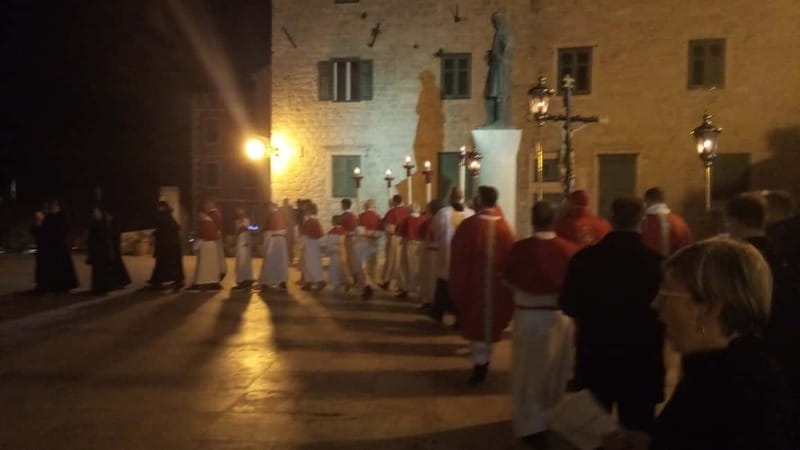
The stories are not limited to architecture. You will hear where Šibenik’s pillar of shame once stood, a reminder that medieval justice was often public and humiliating. You will also learn where dishonest people supposedly escaped from the medieval fair.
These stories help keep the tour lively. A list of construction dates can lose you after a long day of sightseeing. A story about a cheating merchant or a public punishment gives the same streets a cast of characters and conflicts.
The guide also explains why there are no weddings in Šibenik during May. The information provided does not spell out the answer in advance, which is a good reason to hear the story in person rather than search for it beforehand. The same applies to the question of how the plague nearly destroyed the city in 1649.
Another highlight is the city’s bells. You will hear why all 72 bells rang at midnight on December 17 and what that date meant to Šibenik. This kind of local tradition is precisely where a good guide adds value. You could walk past the churches on your own, but you would not know which sound, date, or custom matters.
Churches, chapels, and the city’s religious life
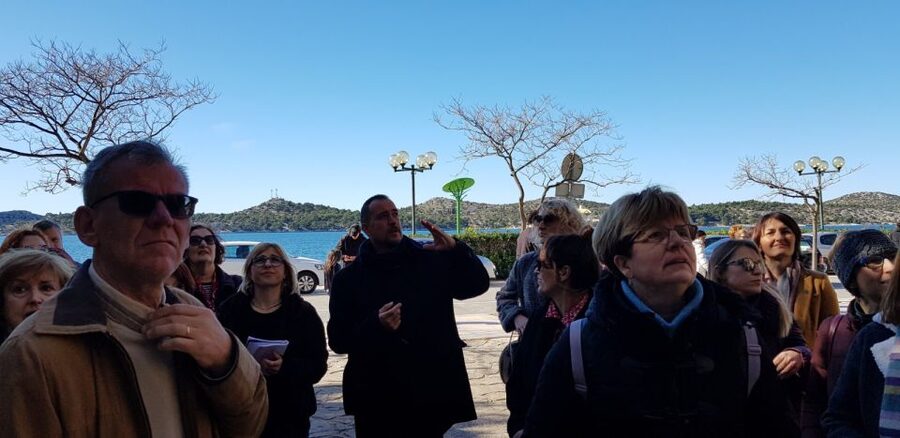
Šibenik hides more than 30 churches, and the tour introduces several parts of this religious network. The route includes the Church of St. John and its reliefs, the cathedral square, St. Lawrence Monastery, and the chapel connected with the city’s first doctor from 1419.
You should not expect a full interior tour of every church. The activity lasts one hour, and entrance fees to churches and museums are not included. At night, the emphasis is on exteriors, locations, stories, and the way these buildings shaped city life.
That limitation is worth keeping in mind. If your main goal is to study cathedral interiors or see museum collections, book separate daytime visits. If you want to understand how churches were woven into the structure of medieval Šibenik, the night walk offers a useful framework.
The guide’s storytelling style seems especially important here. Dario Mikulandra is praised for his clear English, humor, enthusiasm, and ability to answer questions. Those qualities matter on a short tour because the guide has little time to make each stop memorable.
What Dario Mikulandra adds to the tour
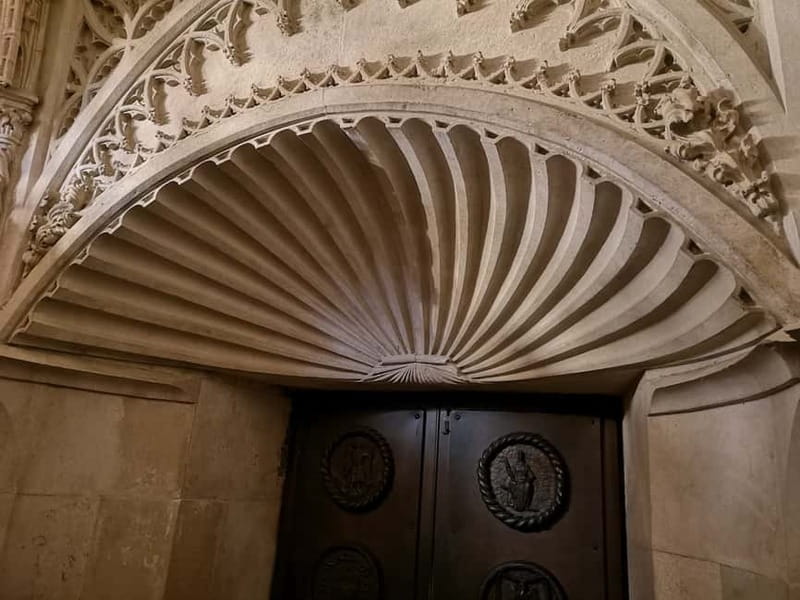
The tour is operated by Magnificat, with Dario Mikulandra as the owner and guide. His role is more than simply leading you from one address to another. He is described as a member of a medieval brotherhood and as a specially trained guide with a strong connection to Šibenik’s past.
The strongest praise centers on his delivery. He is described as authentic, passionate, engaging, and funny, with very good English. That combination should suit you if you prefer stories and conversation to a formal lecture.
Dario also appears comfortable with questions. That is useful because Šibenik’s history touches architecture, religion, medicine, public punishment, water supply, plague, trade, and local custom. A guide who can move between those subjects makes the short route feel less mechanical.
The tour is offered in English, Croatian, and Serbo-Croatian. Maps of the city and brochures in your own language are provided, giving you something practical to use after the walk.
Is $49 a fair price for one hour?
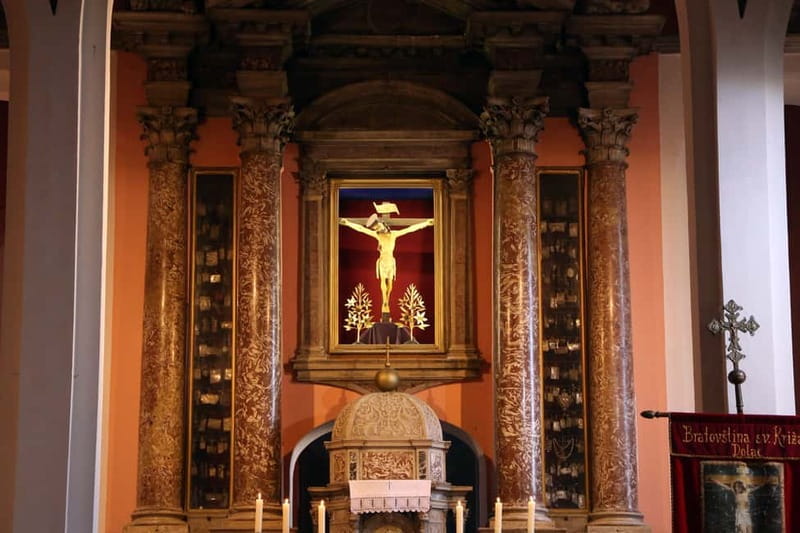
At $49 per person, this is a relatively high price for a one-hour walking tour. You should judge it as a guided storytelling experience, not as a basic orientation walk.
The price includes the professional guide, the route through the old town, the cistern visit, the cathedral square, the monastery area, the oldest street, and the other historical points along the way. Maps and brochures are also included. There are no separate church or museum entrance fees during the night walk, because those interiors are not part of the visit.
For a family of four, the total cost adds up quickly. Still, the route can work well for families because it combines architecture, legends, caves, bells, medieval justice, and practical history. Two young children were reported to have enjoyed the walk, though parents should be ready for stairs, darkness, and a steady pace.
I would call the tour good value for three kinds of visitors: people with only one evening in Šibenik, history fans who want local stories, and anyone who prefers a personal guide to reading plaques. If you want a long tour with extensive interior access, the price will feel less attractive.
Timing, meeting details, and useful planning advice
The duration is one hour, and starting times vary, so check availability before booking. Since the walk ends back at the cathedral meeting point, it is easy to continue with dinner or return to your accommodation afterward.
The meeting point is at the main west-facing cathedral portal, opposite the statue of Juraj Dalmatinac. Again, avoid the entrance with the lions. This small detail can save you from wandering around the square after dark.
Hotel pickup may be arranged if needed. In that case, the guide waits at the reception of your hotel. Confirm the arrangement in advance rather than assuming it is automatic.
You can cancel for a full refund up to 24 hours before the activity. The reserve-now-and-pay-later option also helps if your Dalmatian schedule is still shifting.
Wear comfortable shoes and bring a light layer if you tend to feel cool in the evening. The route is short, but its stairs and uneven old-town surfaces deserve attention. A small flashlight might be useful, although you should not expect the streets to be lit like a modern sightseeing route.
Who should book the medieval night walk?
I would recommend this tour if you want to see Šibenik through local stories rather than only its headline sights. It suits couples, families with older children, and independent visitors who want a quick introduction before exploring alone.
It is also a smart choice if you arrive during a hot part of the year. The evening schedule keeps you away from the strongest daytime heat, and the darker streets give the old town a mood that daylight cannot match.
You may want to skip it if you dislike stairs, have difficulty walking on uneven surfaces, or want extensive access to church interiors and museums. The tour is not designed as a complete Šibenik sightseeing program. It is a focused walk through medieval streets and stories.
My verdict on the Šibenik Medieval Night Walking Tour
I like this tour because it treats Šibenik as a lived-in medieval town, not just a backdrop for the Cathedral of St. James. The cistern, cave, old street, chapel, underground sign, pillar of shame, and bell traditions give you plenty of details to remember.
Dario Mikulandra appears to be the key reason the experience earns such strong praise. His English, humor, enthusiasm, and local command of the subject make the one-hour format work. Just keep the price and physical demands in mind.
Book it if you want an atmospheric evening introduction and plan to revisit the cathedral, monastery gardens, or city museum afterward. Skip it if you need a low-cost, level walk or a longer tour with formal interior visits.
FAQ
Where does the Šibenik Medieval Night Walking Tour start?
It starts at the main entrance portal of the Cathedral of St. James, facing west. The portal is opposite the statue of sculptor Juraj Dalmatinac, not at the cathedral doors with the lions.
Where does the tour end?
The walk ends back at the cathedral meeting point.
How long does the tour last?
The tour lasts one hour. Starting times vary, so check availability when booking.
What languages are available?
The tour is offered in English, Croatian, and Serbo-Croatian.
What places are included during the walk?
The route includes the cathedral square, the medieval Four Wells cistern, the oldest street in Šibenik, the Monastery of St. Lawrence, the cave beside the monastery, the Church of St. John, the chapel of Šibenik’s first doctor from 1419, the pillar of shame, old craft areas, and other historic locations.
Are church and museum entrance fees included?
There are no entrance fees for churches or museums during this night tour. The activity focuses on the nighttime walk and does not include standard entrance visits.
Is hotel pickup available?
If pickup is needed, the guide can wait at the reception of your hotel. Arrange this in advance.
Can I cancel the booking?
You can cancel up to 24 hours before the tour for a full refund. You can also reserve now and pay later.
Just added around Sibenik
- Sibenik: Stunning views, History & Tasting – Croatia in day★ 4.9 · 9 reviews
- Fortresses Sightseeing – Eco City Tour Šibenik★ 4.8 · 9 reviews
- From Trogir, Seget & Okrug: Krka Waterfalls Gastro Tour★ 5.0 · 9 reviews
- Private Krka Waterfalls Tour with Wine Tasting from Sibenik★ 5.0 · 10 reviews
- Private Boat Trip Swim and Chill in Crystal Blue Šibenik half day★ 5.0 · 11 reviews
- Sunset Sea Private Kayaking in Vodice★ 5.0 · 11 reviews
- Private Full Day Sailing in Šibenik Archipelago★ 4.5 · 11 reviews
- Day trip to Krka National Park from Šibenik★ 4.5 · 12 reviews
Walking Tours, compared.




Walking Tour of Split and Diocletian’s Palace
Read our review →


Krka Waterfalls tour with Trogir Walking tour and Krka panoramic boat cruise
Read our review →
City Walls Early Morning or Sunset Walking Tour
Read our review →Browse the lists this tour appears in