
Reviewed · WALKING TOURS
A walk through life in communist Yugoslavia
History feels closer behind ordinary doors. The Red History Museum in Dubrovnik recreates daily life in communist Yugoslavia through room sets, genuine 20th-century objects, music, political displays, and interactive technology. I like the museum’s focus on everyday people and routines, not just party leaders and official dates. I also like its compact size, which gives you a clear visit without demanding half a day.
The main drawback is the price. At $211, this is a costly admission for a museum visit lasting about 50 minutes to 1 hour 35 minutes, with the planned visit listed at roughly 1 hour 30 minutes. The museum itself receives a 4.9 rating from 187 ratings, and 98 percent of respondents recommend it, but you should still check the price carefully before booking.
This is a good choice if you want context for modern Croatia beyond the old-town walls. It is especially useful if you know little about Yugoslavia, though anyone seeking a detailed account of the country’s final years may find the treatment of its collapse too brief.
In This Review
- Key points about the Red History Museum
- Entering the Red History Museum at Svetog Križa 3
- Room sets that turn politics into daily life
- From the Communist Party to secret agencies
- Music, design, and the Non-Aligned way
- Following Yugoslavia from beginning to end
- Why the interactive format works
- Is $211 a fair price for the visit?
- Who should book this Dubrovnik museum?
- Booking, timing, and cancellation details
- Should you visit the Red History Museum?
- FAQ
- Where is the Red History Museum located?
- How long does the museum visit take?
- What is included in the admission?
- Can I use a mobile ticket?
- Is the museum near public transportation?
- Can I cancel for a refund?
Key points about the Red History Museum
- A 300-square-meter time capsule: Room sets and household objects make communist-era life easier to picture than a standard row of display cases.
- More than political dates: The exhibits cover art, design, music, politics, secret agencies, and daily routines.
- Yugoslavia’s special position: The museum explains the country’s connection to the Non-Aligned movement, an important part of its international identity.
- Prepaid mobile admission: You can arrive with your ticket ready and avoid buying admission at the counter.
- A short, focused visit: Plan on about 1 hour 30 minutes, though the stated duration ranges from 50 minutes to 1 hour 35 minutes.
- A worthwhile caution on cost: The content is well regarded, but $211 is a steep price for this length of museum visit.
Entering the Red History Museum at Svetog Križa 3
The museum is at Ul. Svetog Križa 3 in Dubrovnik, and the activity begins and ends there. It is near public transportation, which makes the location practical if you are staying outside the old center or building a wider sightseeing day around the Gruž area.
Your mobile ticket gives you prepaid admission for your chosen day. That matters most during a busy Dubrovnik visit, when you may prefer to spend your time inside the exhibits rather than dealing with ticket-purchase lines. The admission is not described as a guided walking tour, so you should expect to explore the museum’s displays yourself.
The setting is compact, with about 300 square meters devoted to the story. That small footprint is part of the appeal. You can see the full exhibition without losing the thread, and the visit fits neatly before or after another Dubrovnik activity.
At the same time, a small museum cannot cover every part of Yugoslavia in equal detail. You will get a strong introduction and a memorable visual experience, not an academic survey of every republic, decade, or political dispute.
More Walking Tours in Dubrovnik
- Dubrovnik: Old Town Walking Tour
★ 4.8 · 5,174 reviews - Dubrovnik Discovery Old Town Walking Tour
★ 5.0 · 4,458 reviews - Dubrovnik: Game of Thrones Walking Tour
★ 5.0 · 1,732 reviews
Room sets that turn politics into daily life
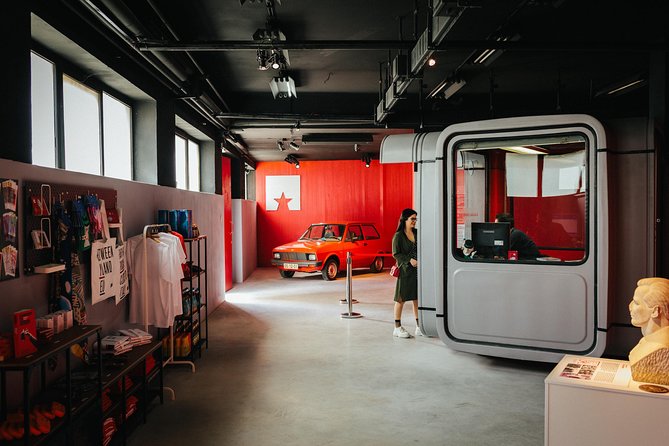
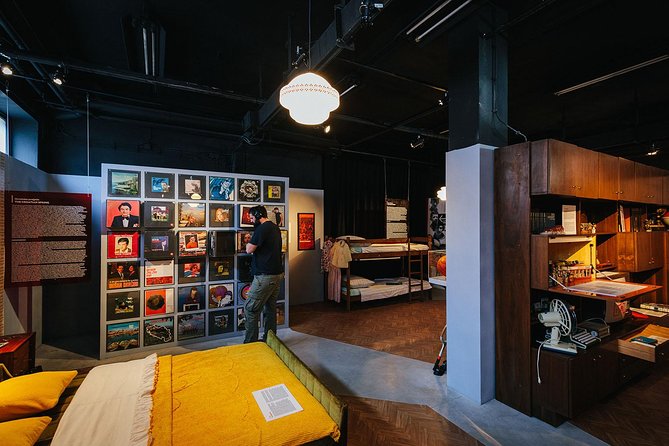
The museum’s strongest feature is its use of room sets and familiar objects. Instead of treating communism as a distant political system, it shows how the system reached into homes, design, culture, and ordinary routines.
That approach helps you understand the era on a human scale. A political timeline can tell you who ruled and when. A reconstructed room can suggest how people lived, what surrounded them, and how public ideology entered private space.
The museum uses both older objects and newer technology. This combination gives the visit a time-capsule quality while keeping it active rather than purely static. You might find yourself moving between physical artifacts and interactive material, with each helping explain a different part of life in Yugoslavia.
The displays cover art and design as well as politics. That mix is important because communist Yugoslavia was not simply a story of official speeches and secret police. Design, popular culture, music, and international identity all helped shape how the country presented itself and how people experienced it.
From the Communist Party to secret agencies
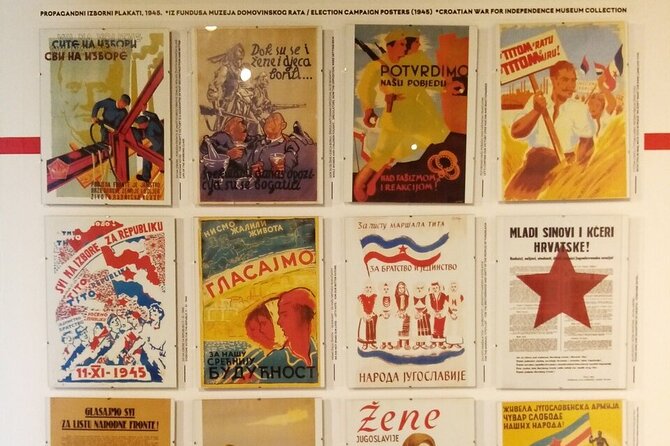
The museum also examines the watchful side of the system. Its displays address the Communist Party, secret agencies, and the pressures of living under a one-party regime.
This is where the visit gains moral and political weight. You are not shown only the nostalgia of old furniture, music, and consumer objects. You are also reminded that daily life existed under surveillance and political control.
That balance is useful. Memories of Yugoslavia can be complicated, and a museum about the period should not reduce the past to either perfect nostalgia or a single story of oppression. The Red History Museum presents the era through several angles, including the state structure and the experiences of people living under it.
You should keep your expectations in check, though. The available description promises detail about the secret police and totalitarian society, but it does not suggest a long specialist presentation on the security services. If that is your main interest, this museum will likely give you an introduction rather than exhaustive detail.
Music, design, and the Non-Aligned way
The museum includes the greatest hits of the period, adding sound to the objects and room displays. Music can do something labels cannot: it gives a sense of the mood and popular culture of a time.
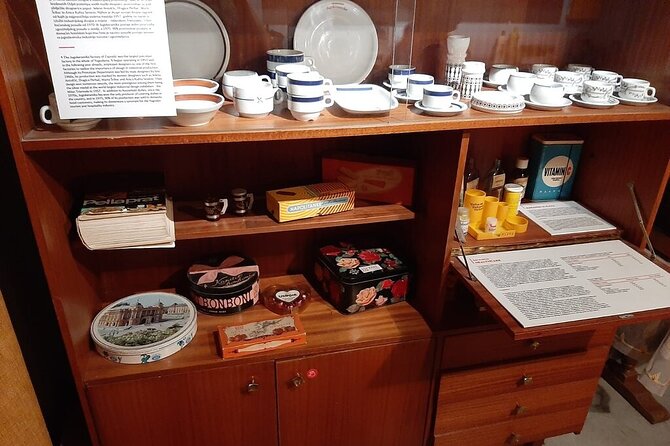
This is one reason the museum should appeal to people who do not normally seek out political museums. You are not simply reading a sequence of dates. You are encountering the period through sound, visual style, household items, and stories of real life.
The Non-Aligned movement is another important part of the exhibition. Yugoslavia did not fit neatly into the usual Cold War picture of East versus West. Learning about its Non-Aligned position helps explain why the country developed its own political identity and why its history cannot be understood only through comparisons with the Soviet bloc.
For a first visit to Croatia, this context is valuable. Dubrovnik’s stone streets and medieval walls can make the country’s recent past easy to overlook. The museum shifts your attention to the 20th century and shows that Croatia’s identity was shaped by experiences far closer to the present.
Something different for another day:
- Blue Cave Small-Group Boat Tour from Dubrovnik
★ 5.0 · 9,360 reviews - Full-Day Dubrovnik Elaphite Islands Cruise with Lunch and Drinks
★ 5.0 · 8,823 reviews - Dubrovnik: Epic Game of Thrones Tour + Lokrum & Saver Option
★ 4.9 · 5,995 reviews - Dubrovnik: Elaphiti Islands Full-Day Cruise with Lunch
★ 5.0 · 5,938 reviews
Following Yugoslavia from beginning to end
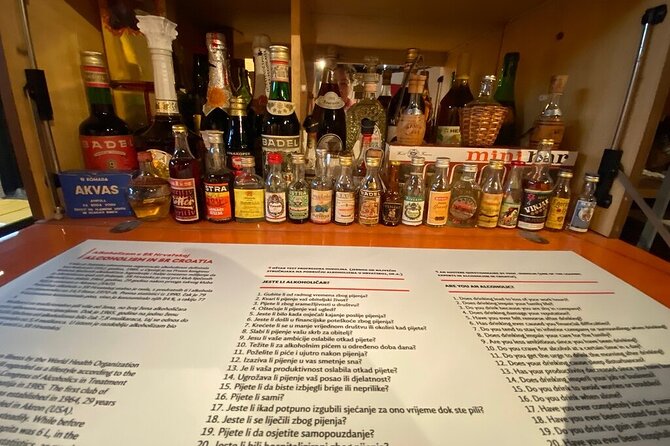
The exhibition charts communist Yugoslavia from its beginning through the end of the system. That broad arc gives you a useful framework before you visit other museums, monuments, or former Yugoslav sites elsewhere in the region.
I would allow the full 1 hour 30 minutes if you want time to read, listen, and study the room sets. The stated duration ranges from 50 minutes to 1 hour 35 minutes, so a faster visitor can make it a short stop, while someone interested in the material can use nearly the full period.
One limitation deserves attention: the final years and breakdown of the system may not receive as much space as some visitors would prefer. The museum covers the country’s story from beginning to end, but the available feedback specifically points to the later collapse as an area that could have been shown in greater detail.
That does not make the museum incomplete for a general introduction. It simply means you should not book it expecting a full account of the political crises, breakup, and wars that followed the communist period. The exhibition seems strongest when explaining the texture of everyday life under Yugoslav rule.
Why the interactive format works
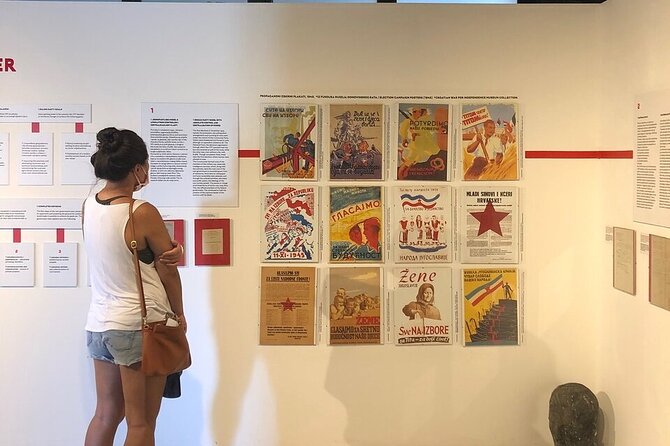
The interactive design gives you several ways to approach the subject. You can look at the objects, enter the room sets, listen to period music, and use the technology to connect individual experiences with larger political ideas.
That variety is helpful for families and mixed-interest groups. One person may focus on design, another on politics, and another on the household objects. You do not need to arrive with a firm grasp of Yugoslav history to get something from the visit.
The format also helps avoid a common museum problem: too much text and too little sense of place. By presenting daily life in a physical setting, the museum makes the subject less abstract.
Still, interactive does not mean large or elaborate. This is a compact museum, not a full-day historical center. The visit works best as a focused stop with a clear subject. If you prefer major museums with extensive collections and long chronological galleries, you may find the experience limited.
Is $211 a fair price for the visit?
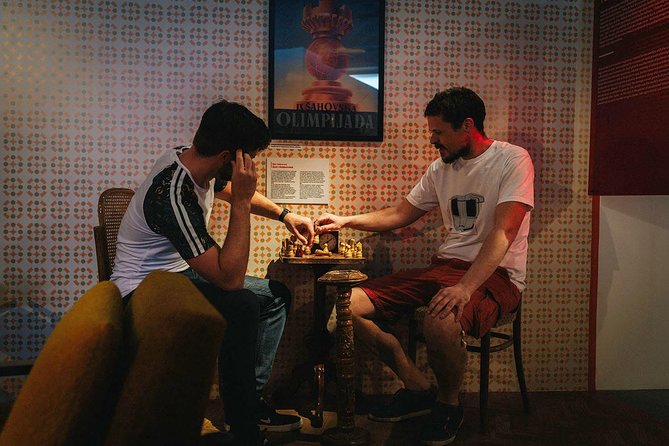
The listed price of $211 is the biggest concern. For approximately 50 minutes to 1 hour 35 minutes, and usually around 1 hour 30 minutes, that is a high cost for museum admission.
The prepaid mobile ticket and guaranteed entry add convenience. You are paying for a reserved visit on your selected day and the ability to bypass ticket-counter lines. Those benefits can matter when your schedule is tight, but they do not fully explain such a high price on their own.
I would compare the listed amount with the current official rate before completing a purchase. The information provided identifies the Red History Museum as the experience provider and includes admission, but it does not explain any extra service, private guide, transfer, or special access included in the $211 price.
If $211 is truly the price for one person’s admission, the value is difficult to defend unless this subject is a major priority for you. If the amount covers a different booking arrangement or multiple admissions, the calculation may change. Either way, check exactly what the charge includes.
The museum’s strong rating and high recommendation rate suggest that the content is well received. That speaks to the quality of the visit, but good content and good value are not always the same thing. I would recommend the museum more readily at a normal museum admission price than at $211.
Who should book this Dubrovnik museum?
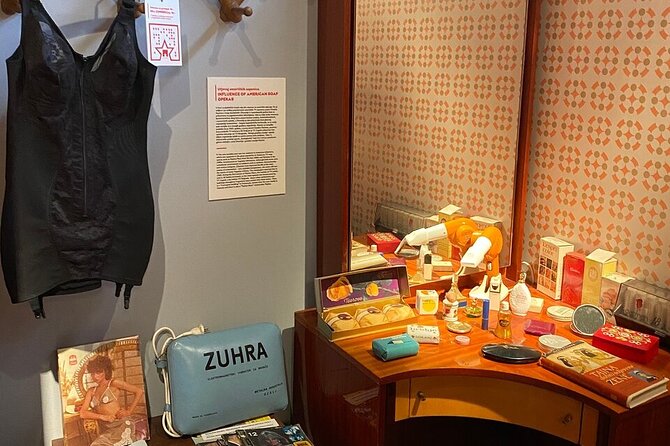
This experience suits you best if you want to understand Croatia’s recent past and prefer exhibits that show ordinary life rather than only famous events. It is also a good fit if you have never studied Yugoslavia and want a clear starting point.
You will likely appreciate it if you enjoy:
- Social and political history presented through objects
- Design, music, and popular culture
- Small museums with a single strong theme
- Interactive displays and reconstructed rooms
- A short indoor activity in Dubrovnik
- Historical context that goes beyond the medieval old town
It may be less satisfying if you want a detailed account of the breakup of Yugoslavia or a long examination of the final years of communist rule. The museum addresses the full period, but the final breakdown appears to deserve more attention than it receives.
The compact format also makes this easy to fit into a busy day. You do not need to commit several hours, and the meeting point is also the end point. Most people can participate, and service animals are allowed.
Booking, timing, and cancellation details
Confirmation is provided at the time of booking, and the ticket is mobile. You can reserve admission for your chosen day, with the practical benefit of avoiding a ticket-counter line.
The maximum group size is listed as 200 people. That is a generous cap for a 300-square-meter museum, so the feel of the visit may depend on how many people arrive at the same time. If you prefer a quiet, slow museum experience, arriving with enough time to use the full visit window may help, though no specific arrival-time advice is provided.
Free cancellation is available if you cancel at least 24 hours before the experience start time. Canceling less than 24 hours in advance, or making changes inside that period, does not qualify for a refund. The cut-off follows local time in Dubrovnik.
Should you visit the Red History Museum?
Book it if you want a concise, visual introduction to communist Yugoslavia, especially the way politics shaped ordinary life, design, music, and culture. The room sets, real 20th-century objects, interactive technology, and attention to secret agencies give the museum more substance than a simple collection of old household goods.
I would be more cautious about the booking price. At $211 for a visit of about 1 hour 30 minutes, the value is poor unless the amount includes something beyond the admission described here. If the actual price available to you is lower, this becomes an easy recommendation for anyone curious about Croatia’s 20th-century story.
FAQ
Where is the Red History Museum located?
The museum is at Ul. Svetog Križa 3, 20000 Dubrovnik, Croatia.
How long does the museum visit take?
The stated duration ranges from 50 minutes to 1 hour 35 minutes. The planned museum visit is listed at approximately 1 hour 30 minutes.
What is included in the admission?
Admission to the Red History Museum is included. The visit covers the interactive exhibits and room sets inside the museum.
Can I use a mobile ticket?
Yes. The experience provides a mobile ticket, and prepaid admission lets you reserve entry for your selected day.
Is the museum near public transportation?
Yes. The museum is located near public transportation.
Can I cancel for a refund?
Yes, if you cancel at least 24 hours before the experience start time. Cancellations or changes made less than 24 hours before the start time are not refunded.
Just added around Dubrovnik
- Dubrovnik Sunset Mountain Tour With Wine★ 5.0 · 9 reviews
- From Dubrovnik: Mali Ston Oyster Paradise Tour with Transfer★ 4.8 · 9 reviews
- Dubrovnik: Private Panoramic Half-Day Buggy Tour with Brunch★ 4.6 · 9 reviews
- Luxury Day tour to Mostar and Kravice waterfalls★ 5.0 · 9 reviews
- Sarajevo & Mostar Private Day Tour from Dubrovnik★ 4.5 · 9 reviews
- Blue Sea & Black Mountains – Montenegro★ 5.0 · 9 reviews
- Montenegro from Dubrovnik Private Tour★ 5.0 · 9 reviews
- Ston Oysters & Wine Tasting Tour from Dubrovnik★ 5.0 · 9 reviews
Walking Tours, compared.




Walking Tour of Split and Diocletian’s Palace
Read our review →


Krka Waterfalls tour with Trogir Walking tour and Krka panoramic boat cruise
Read our review →
City Walls Early Morning or Sunset Walking Tour
Read our review →Browse the lists this tour appears in