
Reviewed · HVAR TOURS
Back to the Roots – Ancient Island Interactive Experience
Step into Hvar’s rural past. At Terra Arhaica in Vrisnik, you do more than look at old tools: you grind wheat, press grapes, mend a fishing net, salt sardines, and learn how island families once worked and ate. I especially like the hands-on format and the warm welcome from the family who maintains this 150-year-old home. The chance to taste food made from garden produce, homemade bread, olive oil, and traditional sweets gives the visit real flavor.
The main consideration is the price, $155.33 per person, for about 1 hour and 15 minutes. That is a serious amount for a short activity, especially if you are comparing it with a simple meal or a standard museum visit. Still, this is a private experience for your group, not a large scheduled tour, and it combines a living-history visit, demonstrations, food tasting, and personal conversation.
In This Review
- Key points to know before you book
- Arriving in Vrisnik, Hvar’s village setting
- Entering the 150-year-old kitchen
- From grapes to wine, and from fish to the table
- Tasting the farmer’s and fisherman’s lunch
- Old skills you can try with your hands
- What makes Terra Arhaica feel personal
- Is $155.33 per person good value?
- Who should book this Hvar experience?
- Practical details for a smoother visit
- Should you book Terra Arhaica?
- FAQ
- Where does the Back to the Roots experience take place?
- How long does the experience last?
- How much does the experience cost?
- Is the experience offered in English?
- Is this a private activity?
- What food can I expect to taste?
- What hands-on activities are included?
- Are service animals allowed?
- What is the cancellation policy?
Key points to know before you book
- A 150-year-old family home: You enter a real ancestral property, not a recreated museum set.
- You take part in the work: Grind wheat, press grapes, mend a fisherman’s net, salt fish, and handle traditional tools.
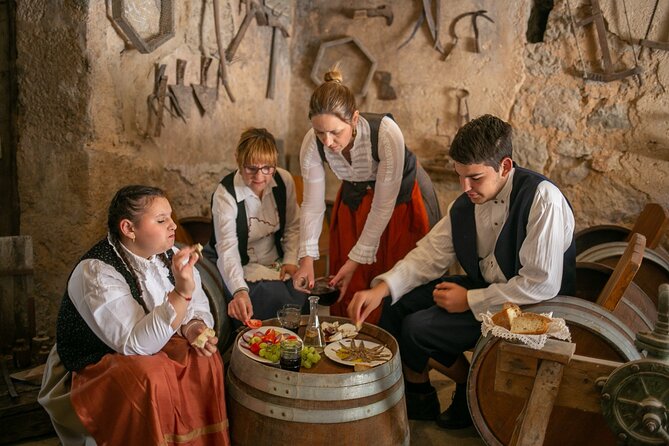
- Food is part of the lesson: Taste warm bread with olive oil, garden vegetables with salted sardines, farmer’s and fisherman’s food, and paprenjok cookies.
- A personal welcome: Jaksa, Lana, Magdalena, and Jacob have been praised for their warmth and enthusiasm.
- A private visit in English: Only your group participates, and the experience is offered in English.
- Best for curious eaters and families: Children and adults can both take part, though the price may be harder to justify for a short stop.
Arriving in Vrisnik, Hvar’s village setting
The experience begins in Vrisnik, at the Terra Arhaica meeting point listed as 5M32+9F Vrisnik, Croatia. This is not a city-center attraction in Hvar Town. You will need to plan your own way to the village, so check the route carefully before booking.
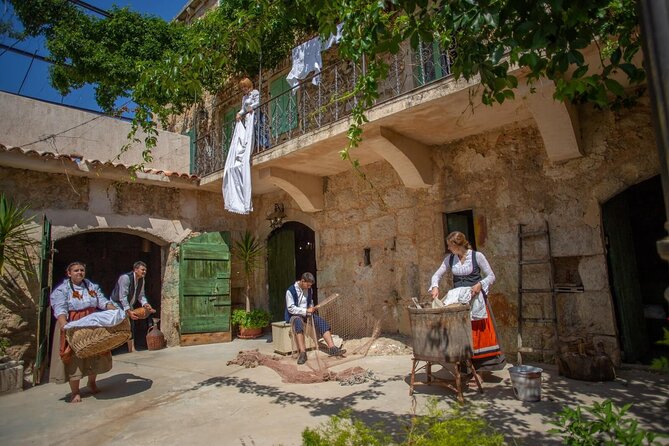
The property is described as an old family home where several generations lived. That distinction matters. You are not walking through a room arranged only for display. The objects, kitchen, tools, and working methods are presented as part of the family’s own past.
One account places the property about 30 minutes by car from the port. Treat that as a rough planning guide rather than a fixed transfer time, since your starting point and road conditions will affect the journey. If you are visiting Hvar on a tight schedule, allow enough time to reach Vrisnik and return without turning the afternoon into a race.
The experience is offered in English, and confirmation is sent within 48 hours of booking if space is available. Since it is a private activity, you will be with your own group rather than mixed into a large party. That should make it easier to ask questions and let children try the activities without feeling rushed by a crowd.
Other Hvar trips people book alongside this one:
- Blue Cave & Vis Island speedboat tour from Hvar
★ 5.0 · 890 reviews - From Hvar: Vis Island and Blue Cave Speedboat Tour
★ 4.8 · 773 reviews - Blue Cave and Pakleni Islands group Tour from Hvar
★ 5.0 · 490 reviews
Entering the 150-year-old kitchen
The old kitchen is the heart of the visit. Here, you get a picture of what a normal morning once required before modern appliances made food preparation quick and easy.
The fire and fireplace receive special attention. On an island, fire was not just a way to cook. It was central to daily life, heating, food preparation, and household routines. Seeing the fireplace in use, or learning how it shaped the home, helps you understand why traditional kitchens were designed around one source of heat.
You also learn how ancestors made bread under the peka. The peka is a covered cooking vessel used with hot embers, and the experience lets you grind your own wheat before considering the work that goes into a loaf. That small task makes a useful point: bread was not a product pulled from a shelf. It began with grain, labor, heat, and time.
The demonstrations are most valuable when you take part. Grinding wheat or handling an old tool is simple, but it changes your view of the finished food. A warm piece of bread suddenly represents much more than a starter on a plate.
From grapes to wine, and from fish to the table
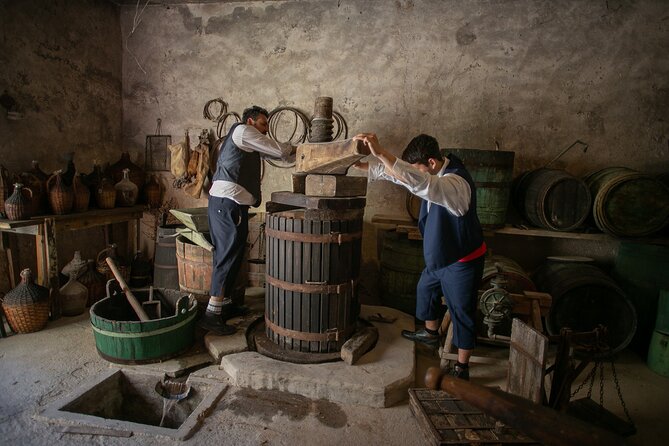
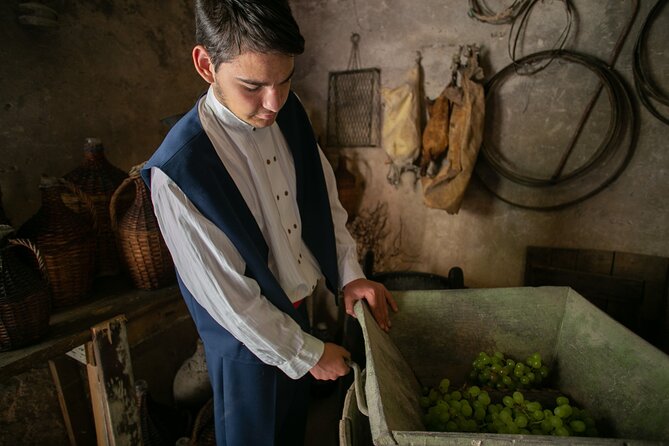
The program connects several stages of island food production. You learn how grapes were pressed and how juice became wine, using the sort of tools associated with traditional winemaking. The experience also includes a chance to press grapes yourself.
This is not presented as a technical winery tour with a long tasting list. Its purpose is to show the household work behind everyday food and drink. You see how farming, preserving, and cooking once worked together.
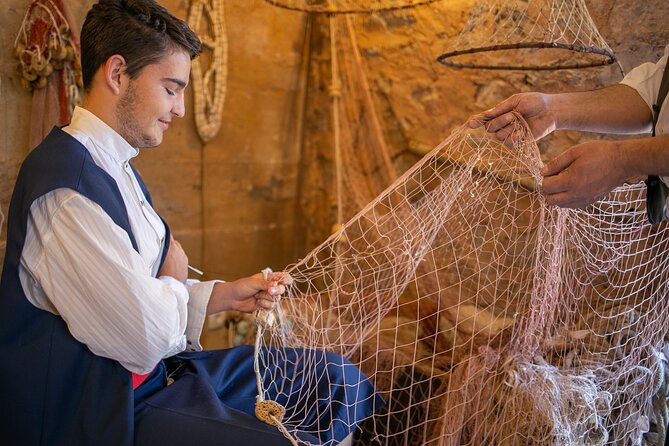
The fishing side is just as practical. You learn to mend a fisherman’s net and become familiar with the tools used for the job. You also salt your own fish, an activity that explains how people preserved food before refrigeration.
Food preservation is one of the strongest themes here. Salted sardines are mixed with fresh tomatoes and zucchini picked from the garden. That combination brings together two basic island resources: preserved fish from the sea and seasonal produce from the land.
You may also learn how figs were dried. Figs are important in Dalmatian food traditions, and drying them allowed households to keep fruit for later use. The point is not simply to admire an old method. It is to see how a family used what was available and wasted as little as possible.
Tasting the farmer’s and fisherman’s lunch
The meal and tastings turn the demonstrations into something you can remember through taste and smell. You scoop olive oil from a stone vessel and drizzle it over fresh warm bread. It is a simple pairing, but it gives you a direct sense of the quality of freshly made bread and local oil.
Another tasting combines salted sardines with tomatoes and zucchini from the garden. If you prefer food with bold salty flavors, this may be one of the most interesting bites of the visit. If you are not fond of sardines, the activity still gives you useful context, but you should not expect the menu to be tailored to modern restaurant preferences.
The food is described as a combination of a farmer’s and fisherman’s lunch. That idea is more important than a formal menu. You are tasting the two sources that shaped island life: cultivated food from the garden and preserved or fresh food from the sea.
The wider meal can include several traditional items. Accounts of the visit describe homemade bread, garden vegetables, olive oil from the family’s trees, slow-cooked dishes, chicken used in place of small birds in one traditional recipe, gnocchi, after-dinner drinks, and local sweets. The exact menu may vary, so think of this as a traditional food experience rather than a guaranteed restaurant menu.
The final sweet is the paprenjok cookie. You learn about its secret recipe and may get to shape or decorate cookies using traditional methods. This is an especially good part for families because it turns the dessert into an activity instead of a plate that simply arrives at the end.
Some visits have also included three types of traditional cookies, grappa, honey, and wine tasting. These details show the range of the food program, but the exact offerings are not stated as fixed inclusions for every booking. If a particular tasting matters to you, ask Terra Arhaica before you go.
Something different for another day:
- From Hvar: Blue and Green Cave Day Tour
★ 4.3 · 479 reviews - From Hvar: Boat Tour to Pakleni Islands on a Comfort Yacht
★ 4.8 · 424 reviews - Boat Tour at Delfina Hvar
★ 5.0 · 243 reviews - Blue cave group tour with swimming and snorkelling from Hvar
★ 5.0 · 227 reviews
Old skills you can try with your hands
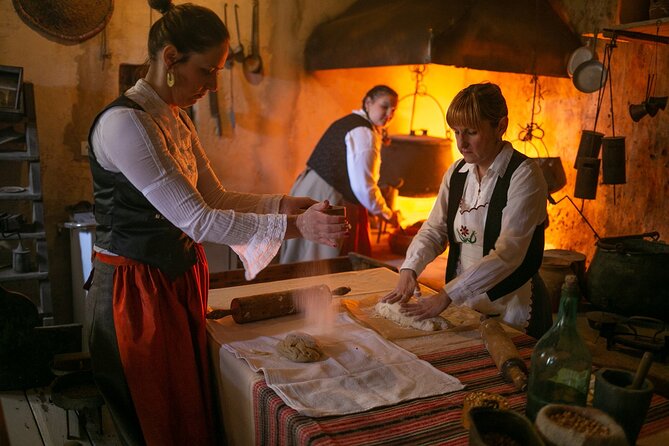
The experience includes more than food. You can learn how to weave a scarf or bracelet, and you get a brief look at the cooper’s craft. A cooper makes and repairs wooden barrels and other vessels, an old trade closely connected with wine and food storage.
You also learn how clothes were ironed with embers. That detail may sound small, but it reveals how much household work once depended on fire and careful timing. There was no quick electric iron waiting in the cupboard.
Mending a net, weaving a bracelet, grinding grain, and decorating a cookie all have different levels of difficulty. Together, they make the past easier to picture. I like this approach because it avoids turning rural life into a collection of pretty objects. You are shown the work behind those objects.
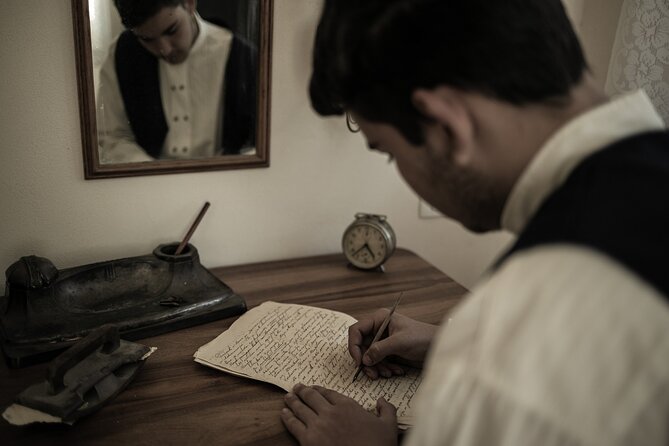
Traditional clothing is part of the welcome and presentation. Jaksa, Lana, Magdalena, and Jacob have been singled out for their hospitality and their ability to make the property feel like a family home. Their enthusiasm appears to be a major part of the experience, so this is not the right choice if you want to explore independently with a guide who speaks as little as possible.
What makes Terra Arhaica feel personal
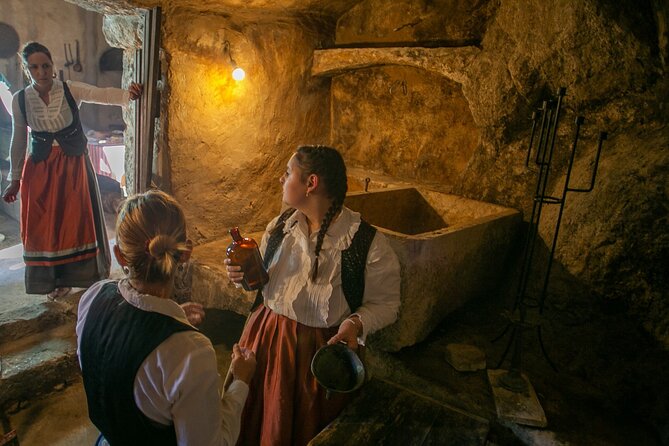
The strongest reason to choose this activity is the family connection. The property belonged to the family’s parents, grandparents, and earlier generations. That gives the objects a personal setting and makes the storytelling feel less like a textbook lesson.
You can expect stories about the family, farming practices, and the connection between the household and the land. The focus is on how people lived up to roughly 150 or 200 years ago, along with some details of life only a little more than a century in the past.
That family link also explains the tone. The welcome has been described as similar to being received into someone’s home, with mint water offered at the start and an introduction to the owners and staff. You should not expect a polished theme-park production. The appeal is the direct contact and the sense that the people presenting the place care about keeping these skills alive.
This makes the activity different from a conventional museum. You can see old tools, but you can also use them. You can hear how a method worked, then taste the result. You can ask about the house and the family rather than simply reading a label.
Is $155.33 per person good value?
At $155.33 per person, this is an expensive short experience. The listed duration is about 1 hour and 15 minutes, so the cost per hour is high if you judge it only by time.
The value improves if you see it as several experiences combined:
- A private visit for your group
- A family-led history presentation
- Hands-on demonstrations
- Traditional food and drink tastings
- A meal or substantial food component
- A visit to a historic family home
- Personal recommendations for the rest of your Hvar stay
Some accounts describe the visit as a highlight of a Hvar trip and say the hosts offered useful island recommendations. One family enjoyed it with children aged 12 and 10. Another group found it worth the cost because it showed how laborious everyday life once was, even for something as basic as making coffee.
I would book it for a special afternoon, a food-focused trip, or a private family outing. I would hesitate if you are traveling on a strict budget, have only a short time on Hvar, or mainly want a formal historical site with lots of written information.
The activity also works best when you value conversation and participation. If you only want to eat, the price may seem steep. If you want to understand where the food came from and try the work yourself, it makes more sense.
Who should book this Hvar experience?
I would recommend it most strongly for:
- Families with school-age children or teenagers
- Visitors interested in Croatian food traditions
- People who prefer small, personal activities to large tours
- Anyone curious about rural island life
- Couples who want a meal with a strong sense of place
- Visitors staying longer on Hvar who can spare time outside Hvar Town
The private format is useful for families because you can ask questions at your own pace. Children also get more from grinding grain, fixing a net, or decorating cookies than they would from looking at tools behind glass.
Food lovers should come with an open mind. Salted sardines, olive oil, traditional cookies, wine, grappa, and slow-cooked dishes may be unfamiliar, but that is part of the point. This is a chance to taste food as part of a way of life, not just as a polished restaurant presentation.
If your interest is only modern Croatian cuisine, nightlife, beaches, or scenic viewpoints, this may not be your best use of time. The attraction is the old house, the family stories, and the working methods.
Practical details for a smoother visit
The meeting and ending point are both in Vrisnik, so plan to return to the same place after the experience. Transportation is not listed as an included feature, and you should arrange your own way to the village.
The activity is offered in English and uses a mobile ticket. Confirmation arrives within 48 hours, subject to availability. Service animals are allowed.
Free cancellation is available if you cancel at least 24 hours before the local start time. Cancellations or changes made less than 24 hours before the start are not accepted for a refund.
Because the activity averages booking about 54 days ahead, I would reserve early if your Hvar dates are fixed. That is especially sensible for a private visit, where availability depends on the family’s schedule and the size of your group.
Should you book Terra Arhaica?
Book it if you want to meet local hosts, work with traditional tools, and understand Hvar through food and family life. The most memorable parts are likely to be the warm bread with olive oil, the salted fish and garden vegetables, the old kitchen, and the chance to handle skills that are usually only described.
Skip it if $155.33 feels too high for a 75-minute activity or if you want a conventional museum or a longer tour. For the right visitor, though, Terra Arhaica offers something difficult to find elsewhere: a personal look at rural Croatian life, presented in the place where that life actually unfolded.
FAQ
Where does the Back to the Roots experience take place?
It takes place in Vrisnik on Hvar, Croatia. The listed meeting point is 5M32+9F Vrisnik, Croatia, and the activity ends back at the same meeting point.
How long does the experience last?
The approximate duration is 1 hour and 15 minutes.
How much does the experience cost?
The listed price is $155.33 per person.
Is the experience offered in English?
Yes. English is the listed language for the experience.
Is this a private activity?
Yes. Only your group participates in the activity.
What food can I expect to taste?
The experience includes warm bread with olive oil, salted sardines with fresh tomatoes and zucchini from the garden, a combination of farmer’s and fisherman’s food, and a traditional paprenjok cookie. Other traditional foods and drinks may also be part of the visit.
What hands-on activities are included?
You can grind wheat, learn about bread made under the peka, press grapes, mend a fisherman’s net, salt fish, weave a scarf or bracelet, and decorate traditional cookies. The experience also introduces the cooper’s craft and ironing clothes with embers.
Are service animals allowed?
Yes. Service animals are allowed.
What is the cancellation policy?
You can cancel for a full refund up to 24 hours before the experience’s start time. Cancellations or changes made less than 24 hours before the start are not accepted for a refund.
Just added around Hvar
- Private Hvar Island Tour and Olive Oil Tasting★ 4.5 · 10 reviews
- Sunset Sailing Tour on the Pakleni Islands★ 5.0 · 10 reviews
- Hvar: Wine Lovers Tour to 3 Wineries with Local Tastings★ 5.0 · 11 reviews
- Hvar: Sunset and Pakleni Islands with a Speed Boat★ 5.0 · 12 reviews
- Red Rocks & Southern Side Of Hvar Private Tour★ 5.0 · 12 reviews
- Hvar Lavender Tour★ 5.0 · 12 reviews
- Split: Blue Cave & 5 Island Tour★ 4.3 · 12 reviews
- Makarska: 3-island Speedboat Cave & Blue Lagoon Tour★ 4.8 · 13 reviews
Hvar Tours, compared.
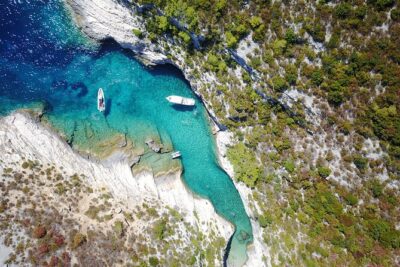
Blue Cave & Vis Island speedboat tour from Hvar
Read our review →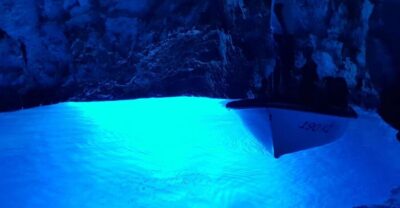

Blue Cave and Pakleni Islands group Tour from Hvar
Read our review →

Boat Tour to Pakleni Islands on a Comfort Yacht
Read our review →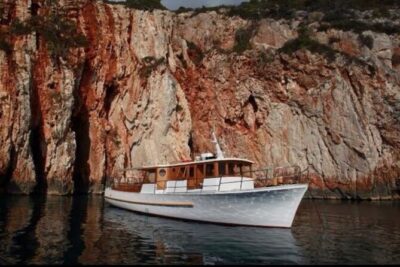
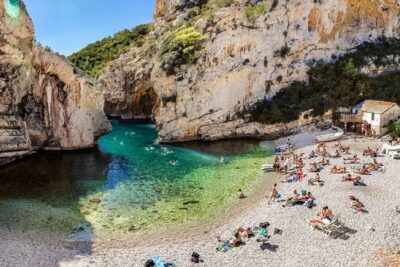
Blue cave group tour with swimming and snorkelling from Hvar
Read our review →
Browse the lists this tour appears in